What is a Solar Power System and How Does It Work?
The Solar Power System is revolutionizing how we generate electricity. According to Dr. Emily Martinez, a renowned expert in renewable energy, "Solar power is not just a trend; it's a necessity for our future." This technology harnesses the sun's energy to produce electricity, offering a sustainable alternative to fossil fuels.
A Solar Power System typically includes solar panels, inverters, and battery storage. Solar panels absorb sunlight, converting it into electricity. This process is efficient, yet not without its challenges. For instance, weather conditions can impact efficiency. The installation process may also be complex, requiring expertise to optimize the system’s performance.
Understanding the inner workings of a Solar Power System is crucial for homeowners considering this investment. While it provides long-term savings and environmental benefits, initial costs and maintenance must be evaluated. Exploring solar power is a step towards a cleaner, more sustainable future, but it requires thorough research and consideration.
Definition of a Solar Power System
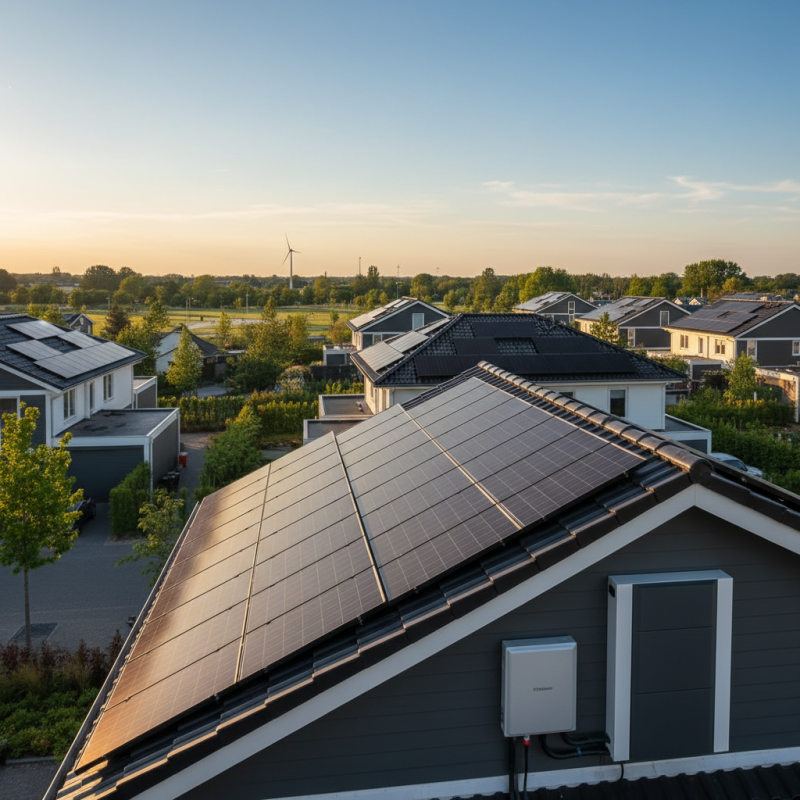
A solar power system harnesses energy from the sun and converts it into electricity. It consists of several components, including solar panels, inverters, and battery storage. Solar panels capture sunlight and transform it into direct current (DC) electricity. An inverter then converts this electricity into alternating current (AC), suitable for home appliances.
According to the U.S. Department of Energy, solar energy accounted for about 3% of the total U.S. electricity generation in 2021. This number continues to grow as technology improves and costs decline. Industry experts predict that by 2025, solar power could comprise up to 20% of the country’s energy mix. However, solar systems are not without challenges. Efficiency rates vary, and installation costs can be high.
Tips: - Consider your location when investing in solar. Areas with more sunlight yield better returns.
- Regular maintenance can maximize performance but also adds to costs.
- Don’t overlook storage options. Battery systems are essential for energy use at night or during cloudy days.
- Understanding these factors can lead to smarter decisions in solar investments.
Key Components of Solar Power Systems
A solar power system primarily consists of several key components that work together to harness sunlight and convert it into usable electricity. The most critical part is the solar panels, which capture sunlight using photovoltaic (PV) cells. These cells generate direct current (DC) electricity when exposed to sunlight. It's fascinating how a simple technology can transform sunlight into energy.
Another essential component is the inverter. This device converts DC electricity from the panels into alternating current (AC) electricity, which is essential for most household appliances. Without an efficient inverter, the electricity generated cannot be used effectively, highlighting its importance in the system.
Also crucial are the mounting structures and batteries. The mounting racks support solar panels, ensuring they tilt at the correct angle for optimal sunlight exposure. Meanwhile, batteries store excess energy for use during cloudy days or nighttime. It’s worth noting that the efficiency of these components can vary significantly; subpar choices may lead to inefficiencies. This nuance in performance prompts installers to reflect on their selections carefully for optimal system output.
How Solar Panels Convert Sunlight into Electricity
Solar panels play a crucial role in converting sunlight into electricity. They are made of photovoltaic (PV) cells, which are typically composed of silicon. When sunlight hits these cells, photons knock electrons loose, creating an electric current. This process is known as the photovoltaic effect. According to the U.S. Department of Energy, solar energy capacity in the U.S. has grown more than 30 times since 2010.
The efficiency of solar panels varies based on technology and environmental conditions. Modern panels can achieve up to 22% efficiency. However, some models underperform in low-light conditions. It’s important to consider factors such as geographic location. For instance, areas with more sunlight, like the Southwest U.S., benefit more from solar installations compared to cloudier regions.
Research indicates that residential solar systems could provide 30% of U.S. electricity by 2030. However, challenges exist. Not all homes are suitable for solar installation, and initial costs can deter potential users. Ongoing advancements in battery storage and inverter technology aim to enhance accessibility and performance. Yet, this field still struggles with long-term recycling of solar panels, an issue that needs more focus.
Overall, solar panels represent a promising technology, but they come with caveats that require further innovation and attention.
Understanding Inverters and Their Role in Solar Systems
In a solar power system, inverters play a crucial role. Their primary function is to convert the direct current (DC) generated by solar panels into alternating current (AC), which powers homes and businesses. According to the U.S. Department of Energy, about 75% of all solar installations use inverters. This highlights their significance in the overall functionality of solar systems.
Inverters also monitor the performance of solar arrays and optimize energy output. A study by the National Renewable Energy Laboratory reveals that advanced inverters can improve energy harvesting by up to 30%. However, not all inverters are created equal. Choosing the appropriate inverter for a solar setup can be challenging. Factors such as efficiency ratings, durability, and grid compatibility should be considered.
Furthermore, inverters have a limited lifespan compared to solar panels. Most inverters need replacement every 5 to 10 years. This can lead to unexpected costs for homeowners. Research suggests that around 10% of inverter failures occur within the first five years. It is essential for users to monitor performance regularly to prevent long-term issues. This awareness can lead to improved reliability and efficiency in solar power systems.
Advantages and Challenges of Implementing Solar Power Systems
Implementing solar power systems offers significant advantages, but it comes with its own set of challenges. On one hand, solar energy is renewable and helps reduce greenhouse gas emissions. According to the International Energy Agency (IEA), solar power could supply up to 32% of the world's electricity by 2025. This potential aligns with the global push for cleaner energy sources. Additionally, lower operational costs make solar systems appealing. The U.S. Department of Energy reports a 90% decrease in the cost of solar technology since 2009, making it more accessible to homeowners and businesses alike.
However, there are challenges in adoption. High initial costs can be a barrier for many consumers. Even with financial incentives, some still find it hard to invest fully. Energy storage technology is another concern. Solar energy generation is intermittent, reliant on sunlight availability. As of late 2022, only about 1 in 5 solar installations had integrated battery storage. This gap highlights the need for improved technology and infrastructure. Furthermore, land use for large solar farms can lead to environmental concerns, particularly regarding wildlife habitats and local ecosystems. Balancing advantages with these challenges requires strategic planning and ongoing evaluation.





