


Choosing a Smart Water Flow Meter is not just a matter of matching pipe size. The right model depends on flow range, water quality, operating pressure, installation conditions, and the readings your team needs. A meter designed for a steady process line may perform differently in a building with changing demand. Small details matter. A narrow flow range or unsuitable connection can affect measurement quality and make installation harder.
Before comparing prices, record the pipe diameter, expected minimum and maximum flow, water temperature, and available power or signal connections. Check the manufacturer’s specifications, including stated accuracy, pressure limits, compatible materials, and maintenance requirements. If the application involves unusual water conditions, verify compatibility with the supplier rather than assuming a standard model will work. That step is easy to skip. It can also prevent an avoidable mismatch.
This guide presents seven practical buying tips to help buyers compare options with clearer criteria. It covers measurement needs, meter technology, installation, data output, durability, service support, and total ownership costs. Consider how readings will be used, too: a display may be enough for occasional checks, while remote monitoring can help teams track consumption over time. No checklist replaces application-specific review. I would not select a meter from a product photo or headline specification alone. Confirm critical details with current product documentation and, where needed, a qualified installer.
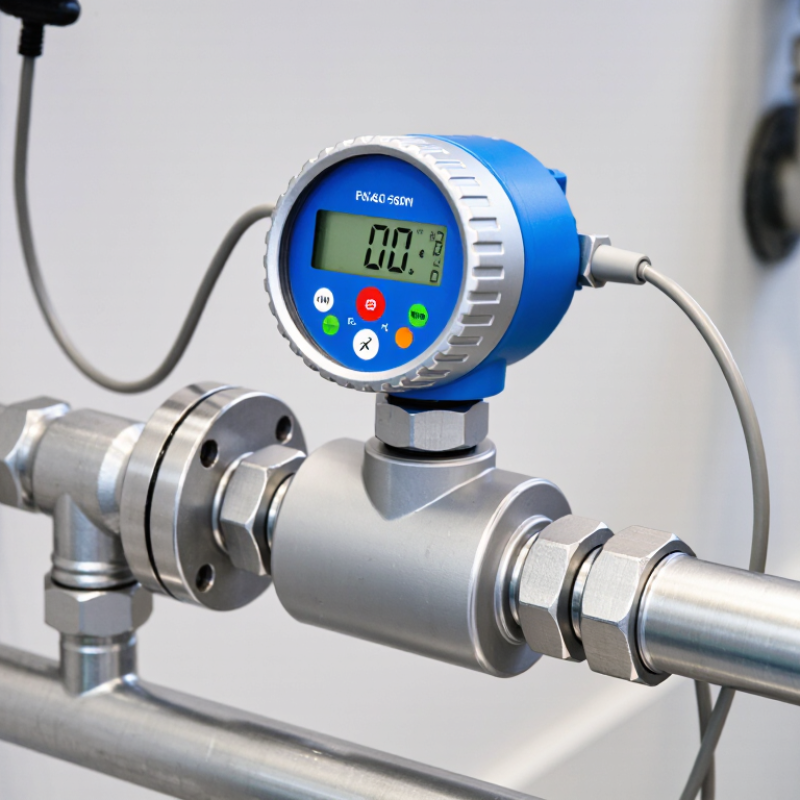
Define the decision your meter must support before comparing specifications. A building tracking overnight leaks needs reliable low-flow readings; an irrigation system may prioritize peak flow and seasonal totals. Set a measurable target, such as detecting a 0.2-gallon-per-minute flow after hours or comparing water use across zones. Small flows matter. The threshold should reflect site conditions, not just a catalog claim.
The USGS report Estimated Use of Water in the United States in 2015 put national withdrawals at about 322 billion gallons per day, with irrigation accounting for roughly 42 percent. For homes, EPA WaterSense reports that leaks can waste nearly 10,000 gallons annually; 10 percent of homes have leaks wasting at least 90 gallons daily.
Check expected minimum and peak flow, pipe diameter, water temperature, pressure, and the data interval required. Confirm that readings can feed the system you actually use.
I have seen buyers focus on pipe size alone; it is an easy mistake. A short site survey may reveal that the smallest flow, not the busiest hour, drives the purchase.
My first estimate may still be rough, so record a baseline before final selection.

Choosing a smart flow meter starts with the pipe and the data system already in place. Mechanical meters suit many established networks and can often provide pulse outputs for retrofit monitoring. Ultrasonic meters avoid moving parts, but their accuracy can depend on pipe condition and installation. Electromagnetic meters suit conductive liquids, though they require power and compatible pipe arrangements. Check the flow range, pipe diameter, pressure, and required straight-pipe distance before comparing prices.
Then check how readings will reach your existing platform. Wired M-Bus or Modbus may fit a building management system; cellular or LoRaWAN can help where cabling is difficult. Confirm that the meter’s output, data format, network coverage, and software interface match your gateway. A clever sensor is not useful if its readings cannot enter the billing or maintenance workflow. Compatibility is easy to underestimate.
The U.S. EPA’s 2023 Drinking Water Infrastructure Needs Survey and Assessment estimated $625 billion in drinking-water infrastructure needs over 20 years. That scale makes replacement planning and integration practical buying concerns, not minor details. Ask suppliers for installation drawings, communication specifications, and test results at low and peak flow. I would still verify those details on site; plans do not always reflect older pipework.
When comparing water flow meters, check accuracy across the flow rates you actually expect, not only the best-case figure in a specification sheet. A meter may perform well near its maximum capacity but read less reliably when a building uses only a small stream. Small flows matter. Compare the stated measuring range with peak demand and typical overnight use. Look for accuracy information across that range, and note whether it applies under particular installation conditions. A tiny error can add up over months, especially when readings guide maintenance or billing decisions.
Operating conditions deserve equal attention. Confirm that the meter suits the water temperature and pressure in your system, including occasional spikes. Check the pipe diameter, mounting direction, and required straight pipe lengths before ordering; a crowded pipe room may not provide the recommended space. Water containing sediment or bubbles can also affect some meter designs, so consider the actual water quality rather than assuming it is clean. Ask how often calibration or inspection is recommended, and whether readings remain stable as conditions change. Specifications can look clear on a screen. The fit in the pipe is less forgiving. Buyers sometimes focus on the accuracy number and overlook operating limits; that is an easy mistake to make.
A smart water flow meter should fit the way your site already moves data. Check whether it supports a wired output, a building network, or a wireless connection, then confirm the receiver can read it. A signal that works beside the meter may weaken behind concrete walls or inside a metal utility cabinet. Check the signal. For remote sites, ask about power use, coverage, and what happens during an outage. A short trial in the actual meter location can reveal problems before purchase.
Data features matter only when staff can use the readings. Look for clear units, adjustable reporting intervals, time-stamped records, and exports compatible with your monitoring system. Leak alerts can help, but confirm their thresholds and delay; a brief pressure change should not create a flood of false alarms. Local data storage is useful when the network drops. Small details matter. Installation needs equal attention: verify pipe size, flow direction, permitted orientation, and required straight pipe lengths in the installation guide. Check access for shutoff valves and future servicing, too. An awkward fit can turn a simple replacement into extra labor. After installation, compare readings with a trusted reference under steady flow. That check may take longer than expected, but skipping it leaves accuracy uncertain.
A smart water flow meter’s purchase price is only the visible part of its cost. Compare installation, batteries or power, communications fees, software, calibration, and replacement parts across the meter’s expected service life. The U.S. Environmental Protection Agency’s 2023 Drinking Water Infrastructure Needs Survey estimated $625 billion in drinking-water infrastructure needs over 20 years. That figure covers far more than meters, but it underscores why buyers should budget for maintenance and dependable operation, not just equipment. Small print matters.
Ask for written certification details, including the applicable measurement standard and drinking-water material approvals. Requirements vary by use and location, so check with the relevant utility or authority rather than relying on a sales claim. Then test support before buying: Who diagnoses a failed reading? How quickly are replacement units shipped? Is data export included, or billed separately? EPA WaterSense reports that household leaks can waste nearly 10,000 gallons annually, making timely alerts useful—but only if someone can act on them. A practical pilot can expose weak signal coverage, confusing dashboards, or slow support. I would not assume the pilot predicts every field condition; it rarely does.
| Buying Tip | What to Compare | Practical Checks | Total-Cost Considerations | Certifications and Support |
|---|---|---|---|---|
| 1. Match the meter to the application | Water quality, pipe size, flow range, pressure, temperature, and whether the installation is for billing, monitoring, or process control. | Record expected minimum, normal, and peak flow; pipe material; available straight-run length; and installation environment before requesting quotes. | A low purchase price may not offset extra adapters, pipe modifications, commissioning, or a meter that performs poorly at the actual flow range. | Confirm that the meter’s stated operating limits and intended use are documented in its technical data sheet. |
| 2. Compare measurement technology | Mechanical meters use moving parts; electromagnetic meters measure conductive liquids; ultrasonic meters use sound signals and may be inline or clamp-on. | Check whether the water’s conductivity suits an electromagnetic meter. For clamp-on ultrasonic meters, verify pipe material, wall thickness, lining, and surface condition requirements. | Consider installation labor, potential pressure loss, maintenance needs, and whether pipe cutting or shutdown is required. | Ask for application-specific accuracy information and installation instructions rather than relying on technology labels alone. |
| 3. Evaluate performance across the flow range | Accuracy specification, minimum measurable flow, repeatability, and performance at both low and peak demand. | Compare specifications under similar reference conditions and check whether the meter’s flow range covers the site’s measured or estimated demand. | Undersizing can restrict peak flow; oversizing can make low-flow measurement less suitable. Either can create avoidable operating or replacement costs. | Request calibration documentation and clarify how performance is verified after installation. |
| 4. Check approvals for the intended market | Local legal-metrology requirements, potable-water contact requirements, and any project or utility specifications. | For regulated measurement, confirm which approvals are accepted by the authority responsible for the installation. For drinking-water use, check applicable material and health-effect requirements. | Non-compliant equipment may require replacement or additional approval work. Confirm requirements before purchase, not after delivery. | Depending on the market and use, relevant references may include OIML R 49 or ISO 4064 for water meters, and NSF/ANSI/CAN 61 or NSF/ANSI/CAN 372 for applicable drinking-water system components. Verify the exact scope and current local requirements. |
| 5. Calculate the complete installed cost | Meter price plus fittings, wiring, power supply, communications, installation, commissioning, calibration, and any required shutdown. | Request an itemized quote and confirm which accessories, configuration, testing, and site work are included. | Compare the same scope across quotes. Include expected maintenance, battery or power needs, and replacement parts over the planned service period. | Ask whether setup assistance, configuration tools, and commissioning support are included or charged separately. |
| 6. Verify data and system compatibility | Output options, pulse scaling, communication protocols, data logging, power requirements, and compatibility with existing monitoring systems. | Confirm electrical ratings, wiring details, signal format, and required integration hardware with the controls or utility team. | Integration gateways, cabling, software, and ongoing connectivity can add costs beyond the meter itself. | Request interface documentation and confirm availability of configuration help, firmware information, and compatible replacement components. |
| 7. Assess warranty and ongoing support | Warranty coverage, service response, repair or replacement process, spare-part availability, and technical support access. | Check warranty exclusions, required maintenance, return procedures, and whether support is available in the required language and time zone. | A longer warranty is useful only if its terms, service logistics, and replacement arrangements suit the site’s operating needs. | Request written warranty terms, support contact details, maintenance guidance, and a clear process for troubleshooting or service. |
Note: Requirements, approvals, installation costs, and performance depend on the meter design, site conditions, and jurisdiction. Confirm specifications and regulatory acceptance for the exact application before ordering.


For those larger-sized parts, or smaller quantity runs, we have 2 independent powder coat booths and ovens. The quality, durability and affordability of today’s powder coating finishes make this the process of choice for world-class companies.
Powder coating advantages over other forms of coating are many. Materials used in the Powder coating process can be metals and non-metals that come in a multitude of thicknesses, textures, colors, etc. Another of Powder coating’s biggest advantages over conventional coatings is its ability to create finishes in many different textures. Powder Coating Booths allow us the ability to apply these advantages to large products.
Tri-State Fabricators runs a full-service conveyor line for painting. Wet painting can provide protection or decoration to many different part styles. From start to finish, every project is easier to undergo random and point-based inspection by our skilled painting team.
Advantages to our Wet Paint Line are these lines start with product prep and ends with a thorough inspection of a high quality finished product. Our ability to complete large and small projects with a superior finish and doing so in a timely and economical fashion. This passes along the savings in production to our customers. When powder coating ins not an option, our Wet Paint Line gets the job done right the first time.
When the parts get big and heavy we roll-out our custom paint racks and oversize booth. By utilizing our partnerships with all the major paint brands, we can match virtually any color with wet paint.
The advantages of having access to a Wet Paint Booth are many. Large projects of many different shapes can be loaded into the booth. The Wet Paint Booth offers an environment that is much more controlled than a typical parts painting operation.
Not only are they used because of their controlled environment, but they’re are also advantageous when it comes to applying paint to parts that are needed in industries that require specialty coatings such as medical, aerospace, etc.
Our military forces have some very high standards when it comes to the finish of their vehicles and equipment. From the first pre-treatment step to final coat, it takes a great deal of knowledge and experience to protect the men and women of our armed forces. They deserve only the best, and Tri-State Fabricators provides it.
All of our processes are closely monitored by our staff and management teams. Both of which are highly trained in the processes of metal fabrication and finishing. Tri-State Fabricators’ goal is to always fully satisfy each and every customer, including the military. We will always put a 110% into what we do.
Abrasive media blasting is an excellent way to remove old paint, rust, and increase the paint/powder adhesion. Glass beads produce a much smoother and brighter finish than angular abrasives; leaving the part clean yet without any dimensional change. Chemically inert and environmentally friendly, we can recycle our beads approximately 30 times; making them a more preferred method of metal cleaning or surface finishing.
Advantages to Glass Bead Blasting are many. Glass bead blast media is used when a project is needing rough surfaces need to become smooth for applications of coatings such as paint. It is typically used to clean paint and rust from a product surface without deforming the surface it is being used on. Overall, compared to many other blasting media, Glass Bead Blasting is a very economical choice and those savings are always passed on to our customers.
Tri-State Fabricators utilize a zinc phosphate wash to clean and etch the material to ensure the best paint adhesion possible. The unique design of our 3-stage wash system does the work like a 5-stage. From Cleaning and rinsing to conversion coating and post-treatment, Our Part Washing process is a complete service and works throughout the fabrication service and the finishing service.
Along with the previously mentioned benefits, Curing is a vital chemical reaction that leaves the product finish hard and relatively safe from mild abrasion and aggressive corrosion. This process can be done in more than one way; ambient air-dry or in curing ovens at temps that exceed 240°.
From fixing paint mistakes (someone else’s of course) to simply cleaning our paint line hooks, our burn-off oven is put to good use. After a quick burn-off, a little clean up, and a fresh coat of paint, your parts will look better than new.
Why does our Burn-Off Oven work so well? Because super heating the air around parts turns the materials into ashes. From paint and powder coatings to rubber and machining oils, high temps do the job without degrading the integrity of the part.
Masking is a vital part of producing high quality products. We have die-cut masking patterns to protect machined surfaces as well as a wide range of plugs and caps to protect threaded holes and bolts. We provide permanent and temporary masking.
Masking allows the selected sections of a product to be protected from a fabrication or finishing service. This can be with both chemicals when etching and tapes, paints when only finishing just a section of the product. Masking is great in aiding the customization process of a project.
Screen printing is a photographic process that transfers artwork onto a porous nylon screen which allows colored ink to flow through the screen and be deposited on an aluminum or plastic component. We can generally have just about any design created onto a screen for your parts.
Some of the advantages of Screen Printing are, brand recognition for your business displaying on your products, assembly instructions, product warnings/hazards, etc. Tri-State Fabricators produces Screen Printing of the highest quality so you know it’s durable.
Metal Finishing is the art of treating the exterior portion of product, often metal but can also be made of other materials, so that the surface is clean and free of any debris. Then the process of applying coats or either paint of powder coat takes place. This coating process improves the quality of the product in both appearance and resistance to wear and corrosion.
Tri-State Fabricators, Inc., understands that a project typically isn’t complete until a high-quality finish has been added to your product. This is why our painting and powder coating teams continuously inspect the products throughout the Metal Finishing process.

