Discover the Smallest Laser Cutting Machine for Your Needs?
In the rapidly evolving world of manufacturing, the demand for precision and efficiency is ever-growing. The "Smallest Laser Cutting Machine" is gaining attention from both small businesses and hobbyists alike. According to Dr. Emily Zhao, a leading expert in laser technology, "Compact machines don't compromise on power; they redefine innovation." This speaks to the potential of these machines to operate in spaces that were previously off-limits.
Small-scale operations often face challenges in production. The "Smallest Laser Cutting Machine" addresses these hurdles by offering advanced capabilities in a compact size. Users can achieve intricate designs while conserving workspace. However, one must also consider the trade-offs. Smaller machines may have limitations in cutting speed and material thickness. It’s crucial to evaluate your needs carefully.
Investing in a "Smallest Laser Cutting Machine" requires thoughtful consideration. Are you prioritizing space-saving designs or cutting efficiency? It's a balance of innovation and practical application. As you delve into this world, remember that each machine has its strengths and weaknesses. Understanding these intricacies will lead to more informed decisions.
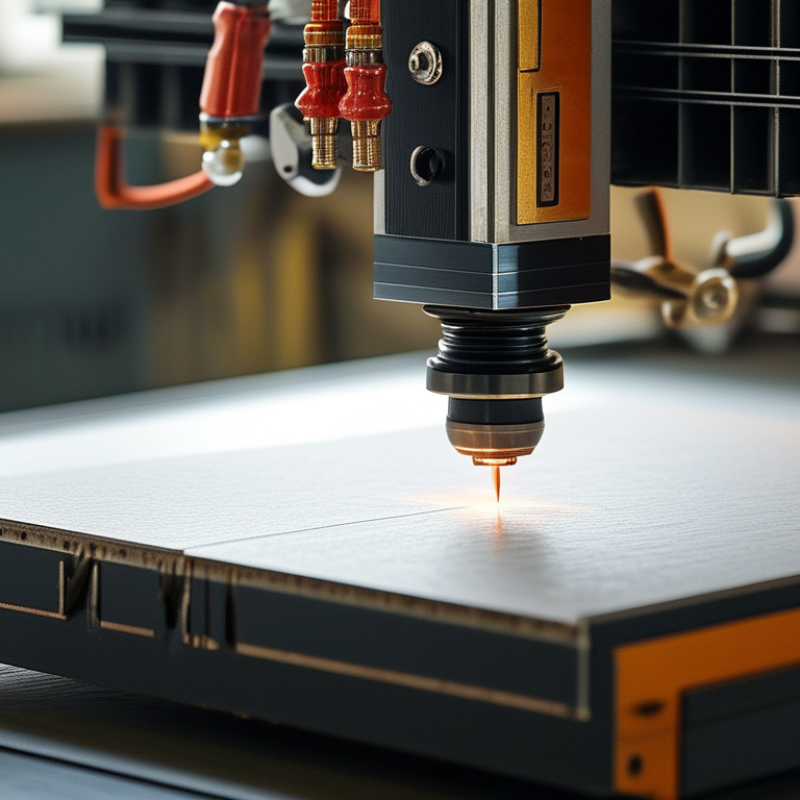
Understanding the Basics of Laser Cutting Technology and Applications
Laser cutting technology has revolutionized various industries, from manufacturing to art. This precise process uses focused laser beams to cut or engrave materials. The versatility of laser cutting enables the processing of metals, plastics, wood, and textiles, making it an essential tool in many sectors.
Reports indicate that the global laser cutting market is projected to reach $6.6 billion by 2027, with a compound annual growth rate of 6.2%. This growth reflects the expanding applications in diverse fields like automotive, aerospace, and electronics. Despite this promising outlook, challenges remain. Small businesses often struggle to invest in large, industrial-grade machines. They may need to carefully evaluate their specific needs before choosing equipment.
Understanding the fundamental mechanics of laser cutting is crucial. The process involves converting light into energy to produce extreme temperatures on targeted areas. Users should be aware that material thickness, type, and desired finish all impact results. There's no one-size-fits-all solution. Those new to this technology may benefit from prototyping before committing to extensive projects. As with any technology, trial and error can lead to better outcomes and efficiency.
Key Features to Look for in the Smallest Laser Cutting Machines
When searching for the smallest laser cutting machines, certain key features should be prioritized. A compact design is essential, as space is often limited. Look for machines that are under 2 feet in size but still deliver powerful performance. Portability is also crucial if you need to move the machine. Some models even include built-in wheels for easy transportation.
Another important feature is the versatility in materials. The best machines can cut through a variety of materials, including wood, acrylic, and even some metals. Make sure the machine you choose has the necessary power settings for different materials.
Ease of use is critical. A user-friendly interface saves time and reduces frustration. Some machines come with software that simplifies the design process. However, not all machines offer excellent customer support. Before making a decision, check reviews and seek feedback from actual users. This can provide insight into any shortcomings or issues that may arise. Finding the smallest laser cutting machine that fits your needs involves careful consideration of these essential features.
Comparative Analysis of Popular Mini Laser Cutting Machines on the Market
When selecting a mini laser cutting machine, consider several key factors. Power and precision are crucial for optimal performance. A machine with 40W or more is ideal for cutting various materials, such as wood and acrylic. Check the bed size too; it should accommodate your project needs. A compact, portable design is a plus, especially for smaller workshops or home use.
Tips: Always read user reviews. They can provide insights into real-life performance and durability. Exploring online forums dedicated to laser cutting can offer valuable advice and alternative options.
Another aspect to consider is software compatibility. Ensure the machine can easily interface with design software you prefer. A user-friendly interface can save you a lot of time and frustration. Don’t forget about safety features. Some machines may lack essential safety protocols, making them riskier to operate. Reflect on your specific cutting needs and workspace before making a purchase.
Cost Considerations: Budgeting for Your Small Laser Cutting Needs
When considering a small laser cutting machine, budgeting is crucial. Research suggests that the initial cost can range from $200 to over $10,000, depending on the machine's capabilities. A report by IBISWorld highlights that small businesses often allocate about 30% of their equipment budget to laser cutting technology. This percentage can fluctuate based on business size and industry focus.
It's essential to factor in ongoing costs beyond purchase. Maintenance, materials, and operational expenses can add an average of $1,000 to $5,000 annually. Industry experts note that the total cost of ownership varies widely. Those new to laser cutting might underestimate these expenses, leading to financial strain. The unpredictability of material prices further complicates budgeting.
Investing in a small laser cutter can be a double-edged sword. While it can increase efficiency and precision, understanding all costs is vital for sustainability. Exploring financing options or leasing can mitigate upfront expenses. Ultimately, a well-thought-out budget can enhance your success in the competitive landscape of laser cutting.
Discover the Smallest Laser Cutting Machine for Your Needs? - Cost Considerations: Budgeting for Your Small Laser Cutting Needs
| Machine Model | Cutting Area (mm) | Laser Power (W) | Approximate Cost ($) | Ideal Materials |
| Mini Cut 30 | 300 x 200 | 40 | 600 | Wood, Acrylic |
| Craft Laser 50 | 500 x 300 | 50 | 900 | Paper, Fabric |
| Laser Mini Pro | 400 x 400 | 60 | 1200 | Wood, Leather |
| Compact Laser 20 | 200 x 150 | 20 | 400 | Acrylic, Cardstock |
Expert Tips on Selecting the Right Laser Cutting Machine for Crafts and Fabrication
Choosing the right laser cutting machine involves understanding your specific needs. Consider the materials you'll work with. Different machines excel at cutting different materials, such as wood, fabric, or acrylic. For instance, if your focus is on crafting intricate designs in paper, a smaller, lower-powered machine could suffice.
Think about the machine's size and portability. A compact laser cutter can fit in a small workshop or even a home studio. However, smaller machines may have limitations in cutting thickness and speed. Balancing size and functionality is key.
Evaluate your experience level. Beginners might struggle with complex features of advanced machines. Simple models can offer ease of use while providing essential capabilities. Pay attention to customer reviews and expert recommendations. Learning from others' experiences is invaluable. This can guide your decision and help you avoid potential pitfalls in your choice.
Laser Cutting Machine Size Comparison
This chart illustrates the price range of various sizes of laser cutting machines, helping you choose the right one based on your crafting and fabrication needs.





