What is a Slurry Pump and How to Choose One in China?
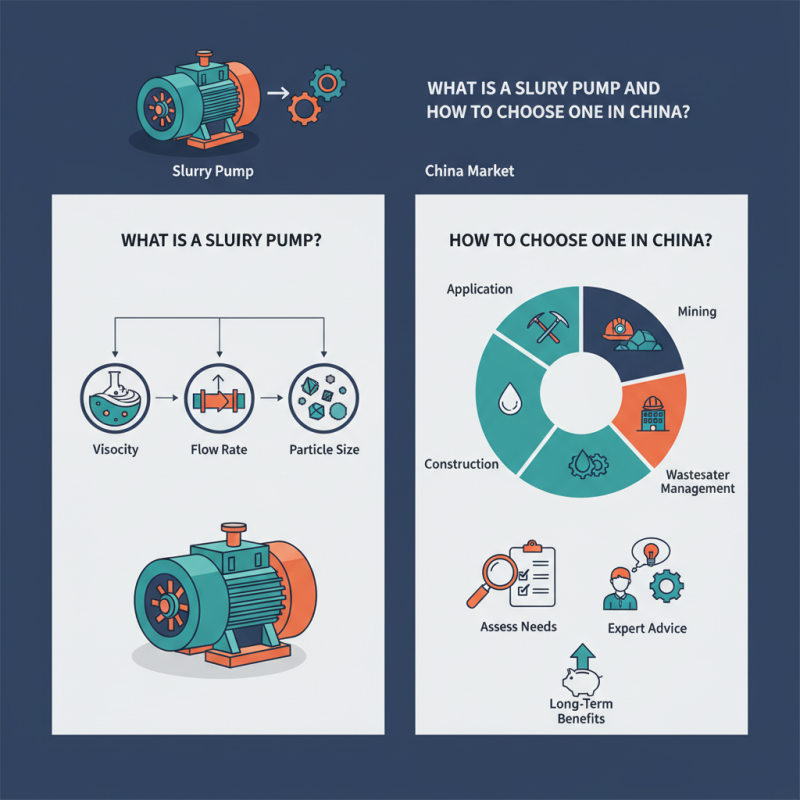
In the rapidly evolving market of slurry pump china, understanding the nuances of selecting a suitable pump is crucial. Experts in the field, like Dr. Li Wei, emphasize, “Choosing the right slurry pump can significantly impact your operation's efficiency.” With various types available, it's essential to consider factors like viscosity, flow rate, and particle size.
China's slurry pump industry is characterized by diverse applications, from mining to construction. Each sector has specific requirements that affect the pump's design and performance. For instance, a pump intended for mining may need to handle larger and more abrasive particles compared to one used in wastewater management.
Navigating this landscape can be overwhelming. Many companies face challenges in matching their needs with the correct pump model. It's vital to reassess your specific requirements and seek expert advice. Investing time in understanding these elements can prevent costly mistakes. In slurry pump china, knowledge and informed choices can lead to long-term benefits.
What is a Slurry Pump: Definition and Functions
A slurry pump is a specialized type of pump designed to transport slurries, which are mixtures of solids and liquids. Commonly used in mining, construction, and industrial applications, slurry pumps must withstand abrasive materials and heavy loads. According to industry reports, the global slurry pump market is projected to grow at a CAGR of over 6% from 2022 to 2027, highlighting its vital role in various sectors.
When selecting a slurry pump, understanding its functions is crucial. A slurry pump typically operates by converting mechanical energy into hydraulic energy, allowing it to move mixtures efficiently. Its design features, such as the impeller and casing, directly influence performance. Industry data indicates that wear-resistant materials can enhance longevity, especially in high-abrasion environments. For example, a well-designed slurry pump can reduce maintenance costs by up to 30%, making it a critical investment.
However, not all slurry pumps are created equal. Factors like viscosity, particle size, and specific gravity of the slurry must be considered. Often, users overlook the importance of pump selection criteria, which may lead to inefficiencies. Faulty choices can result in reduced operational efficiency and higher energy consumption. Continuous monitoring and evaluation of slurry pump performance are necessary to ensure reliability.
What is a Slurry Pump and How to Choose One in China?
| Dimension | Description | Considerations |
| Pump Type | Centrifugal, Positive Displacement | Application needs and fluid properties |
| Material of Construction | Cast Iron, Stainless Steel, Rubber | Corrosion resistance and wear characteristics |
| Flow Rate | Measured in m³/h or GPM | Volume of slurry to be pumped |
| Pump Size | Diameter of inlet and outlet | Compatibility with piping system |
| Head Requirement | Height to which slurry must be pumped | Total dynamic head specification |
| Viscosity | The thickness of the slurry | Fluid resistance and flow characteristics |
| Solids Content | Percentage of solid particles in the slurry | Pumping capacity for suspended solids |
Types of Slurry Pumps: A Comprehensive Overview
Slurry pumps are essential in various industries, including mining, construction, and wastewater treatment. They transport mixtures of solid and liquid materials. Understanding the different types of slurry pumps can help you make an informed decision for your specific needs.
There are several types of slurry pumps, including centrifugal and positive displacement pumps. Centrifugal pumps use rotational energy to move the slurry. They are efficient and suitable for low-viscosity slurries. Positive displacement pumps, on the other hand, trap a fixed amount of slurry and force it through the discharge. These pumps handle higher viscosity slurries effectively.
When choosing a slurry pump in China, consider factors like the size of the particles and the slurry's viscosity. The operating environment also plays a role. Different pumps are suitable for abrasive or corrosive materials. Each type presents its advantages and challenges. Ensure you assess these parameters carefully before making a selection.
Key Factors to Consider When Choosing a Slurry Pump
When selecting a slurry pump in China, several key factors come into play. One critical aspect is the type of materials being transported. Slurry can include a mix of solids and liquids, often abrasive or corrosive. According to a report by the China Slurry Pump Industry Association, over 60% of industries require durable pumps to handle such materials. This durability significantly impacts the longevity of the equipment and reduces downtime.
Another important consideration is pump efficiency. High-efficiency pumps can drastically lower energy consumption. Research indicates that efficient slurry pumps can reduce operational costs by up to 30%. This efficiency is vital, especially for industries like mining, where energy costs are high. Additionally, the pump's performance curve must align with the specific operational needs of the site.
Finally, think about maintenance and support services. Many users overlook this aspect. Regular maintenance is essential for optimal pump performance. Data shows that poor maintenance can lead to a 20% decrease in pump lifespan. Considering local support can mitigate risks related to equipment failures. Each of these factors is pivotal in ensuring the chosen slurry pump meets operational demands effectively.
Applications of Slurry Pumps in Various Industries
Slurry pumps are essential in many industries, moving thick liquids mixed with solids. They are commonly used in mining, construction, and wastewater management. In mining, these pumps transport a mixture of water and minerals. This process helps in mineral extraction and reduces environmental damage.
In the construction sector, slurry pumps handle concrete mixtures and thick mud. They ensure a steady flow, crucial in large-scale projects. Slurry pumps also play a critical role in treating wastewater. They extract sludge from tanks, making the treatment process efficient.
Choosing the right slurry pump can be challenging. Consider the type of material being pumped. The pump's design should match the slurry's viscosity and particle size. It is important to evaluate the pump's durability. A reliable pump saves time and maintenance costs. Reflecting on the specific needs of your application can lead to better choices in the long run.
Maintenance Tips for Optimal Slurry Pump Performance
Proper maintenance of slurry pumps is crucial for ensuring optimal performance. According to industry reports, over 30% of slurry pump failures stem from inadequate upkeep. Regular checks can help identify wear and tear early. Monitoring the seals is vital; damaged seals can lead to leaks and costly repairs.
Cleaning the pump regularly aids in preventing blockages. Solid particles can accumulate and cause inefficiencies. It’s essential to clear any sediment build-up. Moreover, checking the alignment of the pump and drive system can prevent excessive vibrations. Vibration can lead to premature wear. Routine inspections should be documented to track performance and issues over time.
In the long run, investing time in maintenance pays off. Some operators might overlook minor issues. Neglecting them could escalate into major problems. Reports indicate that plants that follow a strict preventive maintenance schedule see a 25% reduction in operational costs. Ultimately, proactive measures ensure reliability and enhance the lifespan of slurry pumps.
Slurry Pump Performance Comparison





