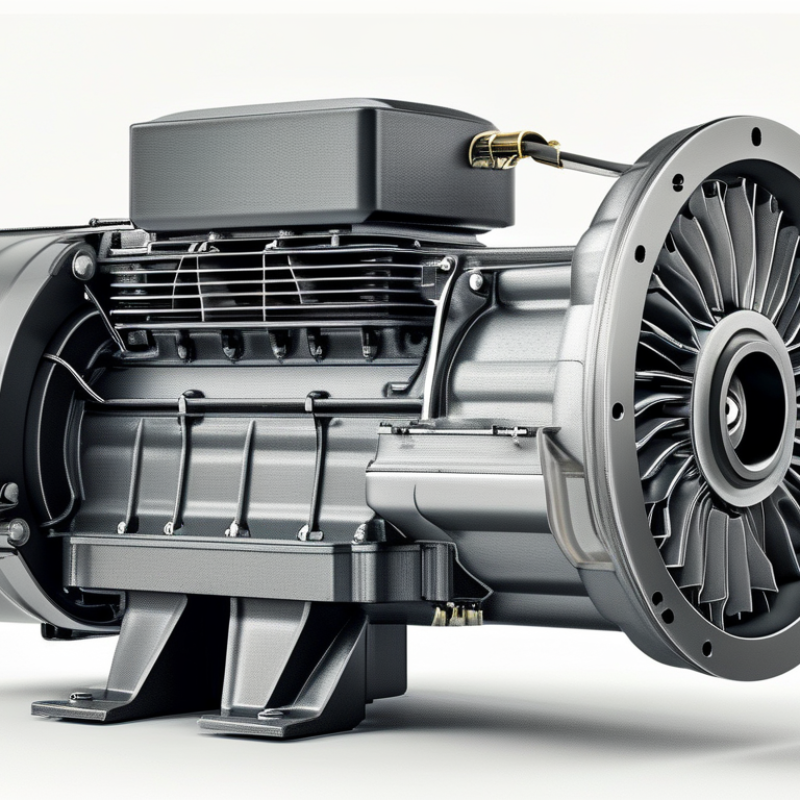
What is a Single-Stage Compressor and How Does It Work?
A Single-Stage Compressor is a crucial mechanical device used in various applications. It primarily compresses gases to higher pressures in a single compression phase. This makes it vital for industries such as refrigeration, air conditioning, and manufacturing.
Understanding how a Single-Stage Compressor operates can enhance efficiency and performance. The working principle revolves around drawing in gas and compressing it through a single cylinder. This process optimally increases the gas pressure, ensuring effective operation.
However, users may overlook some aspects of maintenance and operational limitations. For instance, improper installation can lead to inefficiency. It's essential to remain aware of these challenges for reliable performance. Always consult with experts to maximize the benefits of a Single-Stage Compressor.
What Defines a Single-Stage Compressor?
A single-stage compressor is a device designed to compress gases in one simple cycle. Its main feature is the ability to increase the pressure of gas using a single impeller or piston. This design is typically used in applications that require moderate pressure increases. A single-stage compressor is often known for its efficiency in both size and energy consumption.
The defining characteristic of a single-stage compressor is its compression process. It compresses the gas in a single action, allowing for faster throughput. The simplicity of this design can lead to lower maintenance costs and greater reliability. However, depending on the application, achieving high pressure might not be possible with just one stage. Understanding the specific needs of your project is crucial when considering this type of compressor.
Tips: Always evaluate the pressure requirements of your application. A single-stage compressor may not be suited for high-pressure needs. Also, consider the operational environment; dust and debris can affect performance. Regular maintenance checks will ensure long-lasting efficiency. Remember, the choice of compressor impacts the overall success of your operations.
Key Components of a Single-Stage Compressor
Single-stage compressors are essential in various industries, serving to compress air or gas efficiently. Understanding their key components is vital for optimizing performance. One of the main components is the compression chamber. This is where the air enters and is compressed by the piston. Studies show that an efficient chamber design can improve compression ratios by up to 20%.
Another significant component is the piston itself, which converts rotational energy into linear motion. A well-designed piston minimizes friction, resulting in higher efficiency. Research indicates that reducing friction by just 10% can increase overall compressor efficiency by 5-10%. Furthermore, the valves in a single-stage compressor play a crucial role in airflow control. They ensure that the compressed air only exits when the pressure reaches a specific threshold, preventing energy loss.
The motor is also a critical element. An efficient motor can drastically enhance the compressor’s overall performance. Reports reveal that using a variable-speed motor can reduce energy consumption by 25%. However, selecting the right motor size is often overlooked, leading to suboptimal performance. Each of these components must work in harmony. Optimizing one part without considering the others can lead to inefficiencies. Understanding these key elements helps in making informed decisions to enhance compressor performance.
How Does a Single-Stage Compressor Operate?
A single-stage compressor operates by drawing in air through an inlet valve. The piston within the cylinder then compresses the air in a single stroke, producing high-pressure air. This process is efficient for many industrial applications. It allows for a more compact design and is generally easier to maintain.
In practice, single-stage compressors are often used in applications requiring lower pressure ranges, typically under 150 psi. According to industry analyses, they possess an efficiency rate averaging around 75%. This efficiency highlights their ability to convert a significant portion of input energy into compressed air. However, their performance may diminish when faced with excessive heat or increased demand. High operating temperatures can lead to reduced efficiency and increased wear on components.
Data also suggests that while single-stage compressors are user-friendly, they may not always meet higher pressure needs. In scenarios demanding significant air flow, a multi-stage system may be more effective. Ultimately, the choice of compressor needs careful consideration based on specific requirements. Proper usage can enhance longevity and maintain efficiency.
Single-Stage Compressor Efficiency Comparison
Applications of Single-Stage Compressors in Industries
Single-stage compressors play a vital role in various industries, offering efficient and reliable compression solutions. These compressors operate by compressing air or gas in a single stroke, making them suitable for applications where only moderate pressure is needed. In the manufacturing sector, for example, single-stage compressors are often used in pneumatic tools, paint sprayers, and packaging machines. A report by the International Energy Agency highlights that the manufacturing industry consumes about 25% of the world’s energy, making efficient energy use crucial.
In the food and beverage industry, single-stage compressors are essential for processes like canning and refrigeration. They provide the necessary pressure for cooling systems, ensuring product safety and quality. According to a 2022 industry analysis, around 30% of energy costs in food production stem from compressed air systems. This signifies the importance of maintaining compressor efficiency to minimize operating expenses.
Despite their advantages, single-stage compressors may not be suitable for all applications. High ambient temperatures can affect their efficiency, leading to potential overheating issues. This necessitates continuous monitoring and maintenance, which may not always be feasible for all operations. Understanding their limitations helps industries make informed decisions on their usage and maintenance practices.
Advantages and Limitations of Single-Stage Compressors
Single-stage compressors are widely used in various applications. They compress air in a single stroke, making them simple and efficient. However, they come with both advantages and limitations.
One significant advantage is their straightforward design. This simplicity often leads to easier maintenance and lower costs. Additionally, single-stage compressors can generate high-pressure air quickly, making them suitable for small-scale operations. In many cases, technicians find these compressors efficient for tasks like inflating tires or powering pneumatic tools. Their compact size allows for easy placement in limited spaces.
On the downside, single-stage compressors are not ideal for high-demand applications. Their pressure output is limited. Users may find them insufficient for operations requiring consistent high pressure. Moreover, these compressors can overheat under heavy use, affecting performance and durability. It's essential to consider your specific needs before opting for a single-stage model.
Tip: Regularly check the compressor’s oil levels. This maintenance step prolongs the life of the unit. Additionally, ensuring proper ventilation during use can help prevent overheating.
Reflecting on their use, some operators might underestimate the value of airflow regulation. Investing in a basic regulator can significantly enhance performance. Always evaluate the compressor alongside your operational requirements to ensure adequate performance.
What is a Single-Stage Compressor and How Does It Work? - Advantages and Limitations of Single-Stage Compressors
| Dimension | Details |
| Type | Single-Stage Compressor |
| Mechanism | Compresses air in a single stroke |
| Applications | Pneumatic tools, small industrial applications |
| Advantages | Compact size, lower initial cost, simple design |
| Limitations | Limited pressure ratio, not suitable for high-demand applications |
| Efficiency | Moderate efficiency, best for low workload |
| Maintenance | Regular inspections and oil changes required |
| Typical Pressure Output | Up to 150 PSI |