


What Is a Single Line Single Hose LNG Dispenser?

A Single-Line and Single-Hose LNG Dispenser is designed to transfer liquefied natural gas through one dispensing line and one fueling hose. The layout can make the connection point easier to understand: one hose, a coupling, and a clearly defined path to the vehicle tank. Fewer hoses may simplify handling. They do not remove the need for careful operating procedures, compatible components, leak checks, and reliable emergency shutdowns.

The scale of the industry makes sound equipment design important. GIIGNL’s 2024 Annual Report records 401.4 million tonnes of LNG traded worldwide in 2023, showing the extensive logistics behind LNG supply and use. That figure describes global trade, not dispenser performance; readers should keep the distinction clear. A dispenser’s suitability depends on its rated flow, pressure range, connection design, and the requirements of the installation. Small details matter. A coupling that is difficult to position can complicate routine fueling.

A limitation deserves stating plainly: I cannot verify a published quotation from a named expert specifically about the Single-Line and Single-Hose LNG Dispenser, so I will not invent one. A credible introduction should use a traceable interview or technical publication before attributing a direct quote. For now, the practical question is straightforward: does the simpler arrangement support controlled transfer without obscuring essential safety checks?
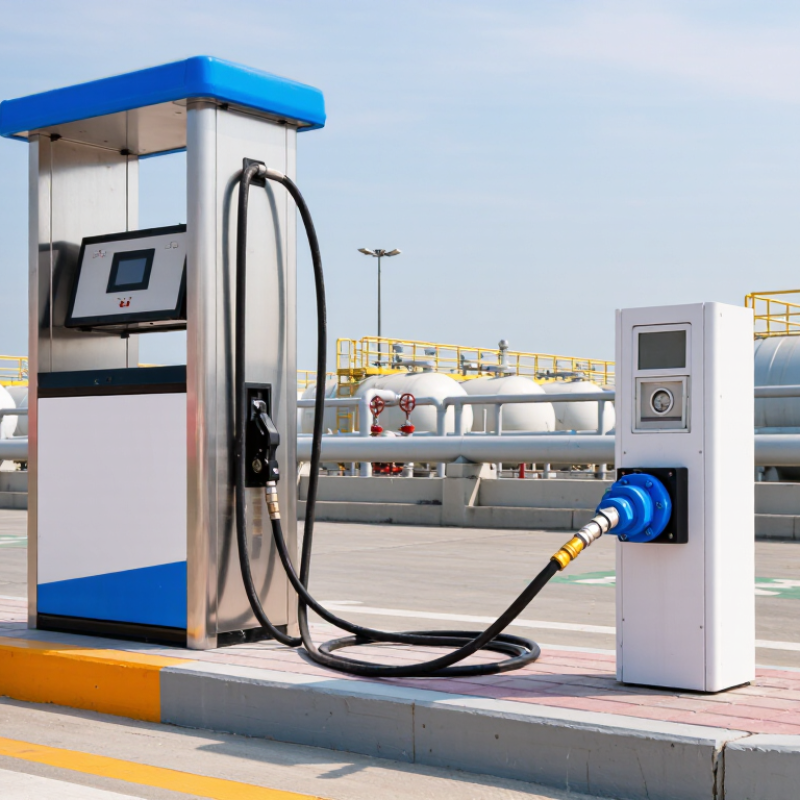
What Is a Single Line Single Hose LNG Dispenser?

Definition and Purpose of a Single Line Single Hose LNG Dispenser

What Is a Single Line Single Hose LNG Dispenser?

A single line single hose LNG dispenser transfers liquefied natural gas from a supply system into a vehicle’s cryogenic tank through one dispensing hose. Its core purpose is controlled, measured refueling. The equipment may include a meter, valves, a pump, and emergency shutoff controls. LNG is typically stored near -162°C, so compatible components and careful handling matter. The exact arrangement varies by installation.

“Single line” describes the main product-transfer path; it does not mean the dispenser has no other safety or service connections. A single hose can make the driver’s connection sequence straightforward and reduce hose handling. That simplicity helps. Yet it does not replace training or routine inspection. GIIGNL’s 2024 Annual Report records 401.4 million tonnes of LNG traded worldwide in 2023, showing the scale of LNG logistics behind fueling systems. This figure describes global trade, not dispenser performance.

Tips: Before fueling, check the hose and coupling for visible damage, confirm the vehicle connection is compatible, and know where the emergency stop is. Follow the site’s operating procedure. A small leak should never be treated as a minor detail.


Main Components and Their Functions

What Is a Single Line Single Hose LNG Dispenser?
Main Components and Their Functions

A single-line, single-hose LNG dispenser sends fuel through one insulated delivery path. Its inlet and cryogenic valves control flow and isolate the line during service. LNG is typically stored near −162°C, according to the U.S. Department of Energy’s Alternative Fuels Data Center. That temperature makes vacuum-insulated piping and hose essential for limiting heat gain. Cold is unforgiving.

A mass-flow meter measures the dispensed fuel, while the controller displays quantities and manages the fueling sequence. At the hose end, a cryogenic nozzle connects to the vehicle receptacle; a breakaway coupling helps limit damage if the vehicle moves unexpectedly. An emergency stop provides a rapid shutdown. The exact layout varies: some systems rely on separate equipment to pressurize or supply LNG, and vapor handling depends on the installation. “Single hose” alone does not specify every system detail. GIIGNL’s 2024 Annual Report recorded about 401.4 million tonnes of global LNG trade in 2023, underscoring the scale of LNG handling and the value of dependable transfer equipment.

Tips: Inspect seals, hose insulation, and coupling engagement before dispensing. Keep the nozzle connection clean and dry. Check the manufacturer’s operating procedure; small details matter.

What Is a Single Line Single Hose LNG Dispenser? - Main Components and Their Functions

Component or Feature Main Function How It Relates to a Single Line, Single Hose Dispenser
Single LNG supply line Carries cryogenic liquefied natural gas from the fueling system to the dispenser and vehicle. “Single line” describes one primary LNG delivery path through the dispenser; it does not by itself specify how the wider station handles vapor.
Inlet isolation valve Stops LNG flow to the dispenser for shutdown, servicing, or maintenance. Provides a means of isolating the dispenser from its upstream supply.
Strainer or filter Helps prevent particles in the fuel stream from reaching sensitive downstream equipment. When fitted, it protects metering and flow-control components; inspection and maintenance requirements depend on the equipment design.
Mass flow meter Measures the quantity of LNG delivered. Coriolis meters are commonly used because they measure mass flow directly. Provides the measurement used for the fueling transaction and, where supported, dispenser monitoring.
Flow-control valve Regulates or stops LNG flow during a fueling sequence. Works with the dispenser controls to start, limit, and end delivery according to the system design.
Pressure and temperature sensors Monitor operating conditions in the LNG flow path. Supply information for control, alarms, or protective actions where these functions are included.
Dispenser controller and display Coordinates the fueling sequence and presents transaction or operating information to the user. May process meter signals, show delivered quantity, and prevent or stop fueling when configured safety conditions are met.
Single fueling hose Transfers LNG from the dispenser to the vehicle connection. “Single hose” means one fueling hose is provided for the LNG delivery connection; hose construction and operating limits must suit cryogenic service.
Breakaway coupling Designed to separate if excessive force is applied to the hose, helping limit damage and fuel release. May be installed between the dispenser and hose, depending on the dispenser design and applicable requirements.
LNG fueling nozzle and vehicle receptacle connection Forms the sealed connection through which LNG enters the vehicle’s onboard tank. The nozzle must be compatible with the vehicle receptacle and used according to the equipment instructions.
Emergency stop and safety interlocks Allow fueling to be stopped and can inhibit operation when specified safety conditions are not satisfied. Exact devices and interlock logic vary by installation; emergency-stop locations and procedures should be identified at the site.
Vapor handling provisions Manage vapor or pressure as required by the station and vehicle fueling system. A single LNG delivery line and hose do not establish whether a separate vapor-return path is present elsewhere in the system.

How the LNG Dispensing Process Works

A single-line, single-hose LNG dispenser moves liquefied natural gas from a storage system to a vehicle through one insulated hose. The process starts with checks: the operator confirms the vehicle connection is compatible and the equipment is ready. The nozzle is secured to the vehicle’s fill point. A tight connection matters.

The dispenser then sends LNG through the hose, with a meter tracking the amount delivered. LNG is extremely cold, so the hose and fittings are designed to limit heat transfer. A little frost near cold components can be expected, but unusual leaks or damage call for stopping the operation and following site procedures.

Then the flow begins. The vehicle tank accepts the fuel while its pressure and fill level are monitored. Depending on the equipment design, controls may stop delivery when a preset quantity or operating limit is reached.

The operator closes the flow, disconnects the nozzle as instructed, and checks that the connection is secure afterward. Cold changes everything.

Exact steps vary by dispenser and vehicle, so the equipment manual and trained-site procedures should guide each fill. In practice, the handoff can look simple; the details are not always obvious from outside the cabinet.

Safety Features and Operating Considerations

A single-line, single-hose LNG dispenser delivers liquefied natural gas through one transfer hose. Its compact layout can make the connection process easier to follow, but it does not remove cryogenic hazards. LNG can cause severe cold burns, and escaping gas can create a flammable mixture. Vapor handling varies by equipment design, so operators should never assume one dispenser works like another.

Safety depends on both built-in safeguards and careful use. Depending on the installation, these may include an emergency stop, automatic shutoff, pressure protection, and a breakaway coupling. Before fueling, trained personnel should check the hose, coupling, and visible indicators for damage or abnormal frost. Confirm the vehicle connection is compatible, then follow the site procedure for connecting and monitoring the transfer. Keep hands clear of cold fittings. Small details matter.

Stop the operation if a leak is suspected, pressure behaves unexpectedly, or an alarm activates. Do not try to fix a pressurized connection. After transfer, close the valves and disconnect only as directed by the equipment instructions. Keep the area clear, and make sure emergency controls are accessible. A checklist helps, though real sites can be messy; that is exactly when staff should slow down and verify each step.

Typical Applications and System Limitations

A single-line, single-hose LNG dispenser transfers cryogenic fuel through one dedicated hose and nozzle. Typical applications include truck depots, fleet yards, and highway refueling sites serving LNG-powered heavy-duty vehicles. At a depot, a driver can park beside the dispenser, connect the coupling, and refuel before the next scheduled route. One vehicle at a time. This arrangement keeps the equipment straightforward, but limits simultaneous service.

The U.S. Department of Energy’s Alternative Fuels Data Center reports that liquefied natural gas occupies about 1/600 of its gaseous volume. That compact storage helps fleets carry useful fuel onboard, but dispensing requires equipment designed for very low temperatures. GIIGNL’s 2024 Annual Report recorded about 401.4 million tonnes of global LNG trade in 2023. That scale indicates an established supply chain, not guaranteed access at every depot. A single hose can also create queues during shift changes. Operators must check vehicle-tank compatibility, connection condition, and site procedures before transfer. Throughput depends on the dispenser’s design and the vehicle’s tank conditions; a simple layout does not mean every fill is equally fast. There is a practical trade-off here. Less equipment can mean less flexibility.

Powder Coat Booths

For those larger-sized parts, or smaller quantity runs, we have 2 independent powder coat booths and ovens. The quality, durability and affordability of today’s powder coating finishes make this the process of choice for world-class companies.

Powder coating advantages over other forms of coating are many. Materials used in the Powder coating process can be metals and non-metals that come in a multitude of thicknesses, textures, colors, etc. Another of Powder coating’s biggest advantages over conventional coatings is its ability to create finishes in many different textures. Powder Coating Booths allow us the ability to apply these advantages to large products.

Wet Paint Line

Tri-State Fabricators runs a full-service conveyor line for painting. Wet painting can provide protection or decoration to many different part styles. From start to finish, every project is easier to undergo random and point-based inspection by our skilled painting team.

Advantages to our Wet Paint Line are these lines start with product prep and ends with a thorough inspection of a high quality finished product. Our ability to complete large and small projects with a superior finish and doing so in a timely and economical fashion. This passes along the savings in production to our customers. When powder coating ins not an option, our Wet Paint Line gets the job done right the first time.

Wet Paint Booths

When the parts get big and heavy we roll-out our custom paint racks and oversize booth. By utilizing our partnerships with all the major paint brands, we can match virtually any color with wet paint.

The advantages of having access to a Wet Paint Booth are many. Large projects of many different shapes can be loaded into the booth. The Wet Paint Booth offers an environment that is much more controlled than a typical parts painting operation.

Not only are they used because of their controlled environment, but they’re are also advantageous when it comes to applying paint to parts that are needed in industries that require specialty coatings such as medical, aerospace, etc.

Military CARC

Our military forces have some very high standards when it comes to the finish of their vehicles and equipment. From the first pre-treatment step to final coat, it takes a great deal of knowledge and experience to protect the men and women of our armed forces. They deserve only the best, and Tri-State Fabricators provides it.

All of our processes are closely monitored by our staff and management teams. Both of which are highly trained in the processes of metal fabrication and finishing. Tri-State Fabricators’ goal is to always fully satisfy each and every customer, including the military. We will always put a 110% into what we do.

Glass-Bead Blasting

Abrasive media blasting is an excellent way to remove old paint, rust, and increase the paint/powder adhesion. Glass beads produce a much smoother and brighter finish than angular abrasives; leaving the part clean yet without any dimensional change. Chemically inert and environmentally friendly, we can recycle our beads approximately 30 times; making them a more preferred method of metal cleaning or surface finishing.

Advantages to Glass Bead Blasting are many. Glass bead blast media is used when a project is needing rough surfaces need to become smooth for applications of coatings such as paint. It is typically used to clean paint and rust from a product surface without deforming the surface it is being used on. Overall, compared to many other blasting media, Glass Bead Blasting is a very economical choice and those savings are always passed on to our customers.

Part Washing

Tri-State Fabricators utilize a zinc phosphate wash to clean and etch the material to ensure the best paint adhesion possible. The unique design of our 3-stage wash system does the work like a 5-stage. From Cleaning and rinsing to conversion coating and post-treatment, Our Part Washing process is a complete service and works throughout the fabrication service and the finishing service.

Along with the previously mentioned benefits, Curing is a vital chemical reaction that leaves the product finish hard and relatively safe from mild abrasion and aggressive corrosion. This process can be done in more than one way; ambient air-dry or in curing ovens at temps that exceed 240°.

Burn-Off Oven

From fixing paint mistakes (someone else’s of course) to simply cleaning our paint line hooks, our burn-off oven is put to good use. After a quick burn-off, a little clean up, and a fresh coat of paint, your parts will look better than new.

Why does our Burn-Off Oven work so well? Because super heating the air around parts turns the materials into ashes. From paint and powder coatings to rubber and machining oils, high temps do the job without degrading the integrity of the part.

Masking

Masking is a vital part of producing high quality products. We have die-cut masking patterns to protect machined surfaces as well as a wide range of plugs and caps to protect threaded holes and bolts. We provide permanent and temporary masking.

Masking allows the selected sections of a product to be protected from a fabrication or finishing service. This can be with both chemicals when etching and tapes, paints when only finishing just a section of the product. Masking is great in aiding the customization process of a project.

Screen Printing

Screen printing is a photographic process that transfers artwork onto a porous nylon screen which allows colored ink to flow through the screen and be deposited on an aluminum or plastic component. We can generally have just about any design created onto a screen for your parts.

Some of the advantages of Screen Printing are, brand recognition for your business displaying on your products, assembly instructions, product warnings/hazards, etc. Tri-State Fabricators produces Screen Printing of the highest quality so you know it’s durable.

Metal Finishing

Metal Finishing is the art of treating the exterior portion of product, often metal but can also be made of other materials, so that the surface is clean and free of any debris. Then the process of applying coats or either paint of powder coat takes place. This coating process improves the quality of the product in both appearance and resistance to wear and corrosion.

Tri-State Fabricators, Inc., understands that a project typically isn’t complete until a high-quality finish has been added to your product. This is why our painting and powder coating teams continuously inspect the products throughout the Metal Finishing process.
