What is a Servo Motor and Why is it Important for Industry?
Servo Motors play a crucial role in modern industrial applications. They offer precision, control, and reliability. According to Dr. Emily Carter, a leading expert in motion control systems, "Servo Motors are the backbone of automation." Her words highlight their significance in sectors ranging from manufacturing to robotics.
In automated systems, Servo Motors operate with great accuracy, allowing for intricate movements. They adjust positions and velocities, making them essential for complex tasks. Industries rely on them to enhance efficiency and productivity. Yet, while these motors are powerful, they are not without challenges. Maintenance and calibration are required to ensure optimal performance.
Understanding Servo Motors is key for anyone in the engineering field. As technology evolves, their importance will only grow. More businesses are recognizing the benefits of integrating Servo Motors into their operations. However, ongoing education and adaptation are necessary to keep up with innovations in this vital area. The future of industrial automation hinges on these remarkable devices.
Definition and Basic Functionality of Servo Motors
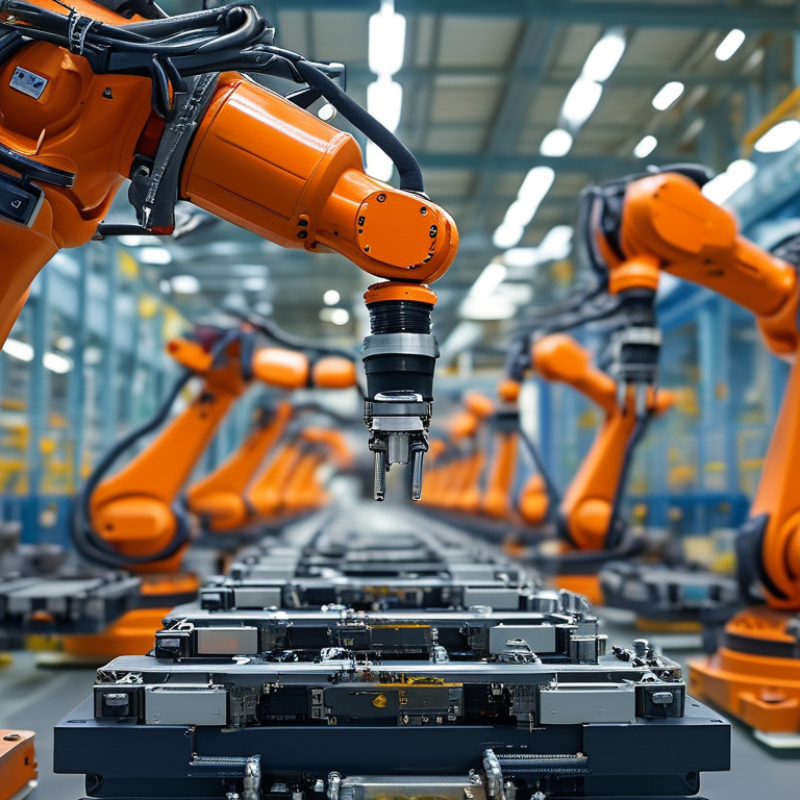
Servo motors play a crucial role in modern industry. They are used for precise control of angular or linear position. In contrast to standard motors, servo motors can offer high accuracy and repeatability. This is essential for applications like robotics, CNC machinery, and automated manufacturing systems. The feedback mechanism in a servo motor allows for real-time adjustments to ensure ideal performance. Many industries rely on this technology to enhance productivity and improve quality.
For those considering implementing servo motors, there are a few tips to keep in mind. Ensure that the motor’s specs align with your application requirements. Pay attention to torque and speed ratings. It's important to assess the required feedback type, whether it's positional or velocity feedback. Inadequate specifications can lead to inefficiencies and unnecessary costs.
Another point to reflect on is the installation process. Proper calibration can make a significant difference in performance. Sometimes, professional assistance might be necessary. Remember that even a minor misalignment can affect the efficiency of your machinery. Careful setup ensures that the system operates smoothly, leading to better overall productivity in industrial settings.
What is a Servo Motor and Why is it Important for Industry?
| Feature | Description | Importance in Industry |
| Precision Control | Servo motors allow for precise control of angular position, speed, and acceleration. | Essential for automation in robotics and CNC machines. |
| Feedback Systems | Incorporates encoders to provide feedback on position and speed. | Improves reliability and accuracy in various applications. |
| Response Time | Quick response time compared to other motor types. | Allows for faster cycle times in production lines. |
| Closed-loop Control | Operates in closed-loop control systems for increased accuracy. | Minimizes errors and enhances overall system performance. |
| Versatility | Can be used in various applications like automotive, aerospace, and manufacturing. | Supports diverse industrial needs and increases adaptability. |
Types of Servo Motors and Their Applications in Industry
Servo motors play a vital role in various industrial applications. They are essential for precision control in robotics, automation, and manufacturing processes. Understanding the types of servo motors can help in selecting the right one for specific tasks.
One common type is the AC servo motor. These motors are known for high speed and efficiency. They are often used in CNC machines and conveyor systems. Another significant type is the DC servo motor. When paired with an encoder, they deliver excellent torque and feedback. This is ideal for applications in robotic arms.
**Tip:** Assess the power supply and control system before choosing a servo motor. Matching specifications is crucial.
Additionally, stepper motors are a type of servo motor that offers precise incremental movement. They are widely used in 3D printers and automated machinery. However, their torque may decline at higher speeds. Ensuring proper load matching is essential for optimal performance.
**Tip:** Monitor the motor’s temperature during operations. This can indicate potential issues.
Understanding these types and their unique advantages will empower industries to optimize their production processes. When in doubt, consulting with a motor specialist can provide valuable insights.
Types of Servo Motors and Their Applications in Industry
This chart illustrates the different types of servo motors used in various industries and their respective applications. The data highlights the prevalent use of each type across different sectors.
How Servo Motors Enhance Precision and Control in Automation
Servo motors play a crucial role in automation. They are essential for achieving high precision and control in various industrial processes. These motors can accurately control the position, speed, and acceleration of machinery. This level of precision is critical, especially in fields like robotics and CNC machining.
In applications like robotic arms, servo motors enable swift and accurate movements. They ensure that tasks are performed exactly as specified. However, achieving this precision is not without challenges. Calibration mistakes can lead to errors in positioning. Regular maintenance is vital to prevent such issues.
Control systems that integrate servo motors require careful design. The feedback loop must be reliable for optimal performance. If the system malfunctions, the entire operation can be compromised. Understanding the intricacies of servo motors is important for engineers and technicians. Their expertise ensures smooth and efficient production processes across industries.
Importance of Servo Motors in Robotics and Mechatronics
Servo motors play a vital role in robotics and mechatronics. They offer precise control over position, speed, and acceleration. This precision is critical in applications like robotic arms, CNC machines, and automated assembly lines. Without servo motors, many tasks would lack the required accuracy.
In robotics, servo motors enable smooth movements. They adjust the position of joints with high accuracy. This capability is essential for tasks that demand meticulous detail, such as surgical robots. Moreover, servo motors help reduce mechanical wear. Their ability to maintain a stable torque improves the longevity of robotic systems.
Tip: Regularly check the calibration of servo motors. Misalignment can lead to errors in robotic tasks.
In mechatronics, servo motors support advanced automation. They improve efficiency by allowing machines to respond quickly to changing conditions. This adaptability is critical in industries like manufacturing and aerospace. However, the complexity of integrating servo motors can pose challenges. Each system requires careful design to optimize performance.
Tip: Keep an eye on temperature fluctuations. Overheating can damage sensitive components within the motor.
When designing robotic systems, consider the specific requirements. Not all applications need the same level of precision or speed. Balancing performance with cost is crucial for successful implementations in the industry.
Future Trends and Innovations in Servo Motor Technology
The future of servo motor technology is evolving rapidly. Innovations focus on improving precision and efficiency. Researchers are exploring advanced algorithms for better control. These developments can significantly enhance performance in various applications.
Additionally, integration with artificial intelligence is a growing trend. AI can optimize operations and reduce energy consumption. There are also movements towards smaller, lighter designs. These designs enable integration into compact machinery. Such advancements open up new possibilities in automation.
However, challenges remain. Many industries face difficulties in transitioning to new technologies. The cost of implementation can be high. Companies must weigh the benefits against potential disruptions. Addressing these issues will be key to harnessing the full potential of servo motor advancements.





