What is Self Tapping Screws and How to Use Them?
Self Tapping Screws are revolutionizing the fastening industry. According to a report by MarketsandMarkets, the global market for fasteners is projected to reach $107.3 billion by 2026, with self tapping screws playing a pivotal role in this growth. Robert Smith, a leading expert in the fastener sector, states, “Self tapping screws reduce assembly time and offer superior efficiency in material assembly.”
These screws create their own thread as they are driven into materials, which eliminates the need for pre-drilled holes. This method is invaluable in various applications, from construction to electronics. Still, while self tapping screws provide efficiency, it's vital to choose the correct type and size for your specific project. Misuse can lead to stripped threads or weakened joints, presenting challenges that require careful consideration.
The precision in design and the choice of materials are crucial. The rise in automation and robotics in manufacturing is increasingly demanding these screws. However, the industry must reflect on the balance between innovation and the potential for overlooking critical details. As the use of self tapping screws expands, understanding their application becomes essential.
What Are Self Tapping Screws?
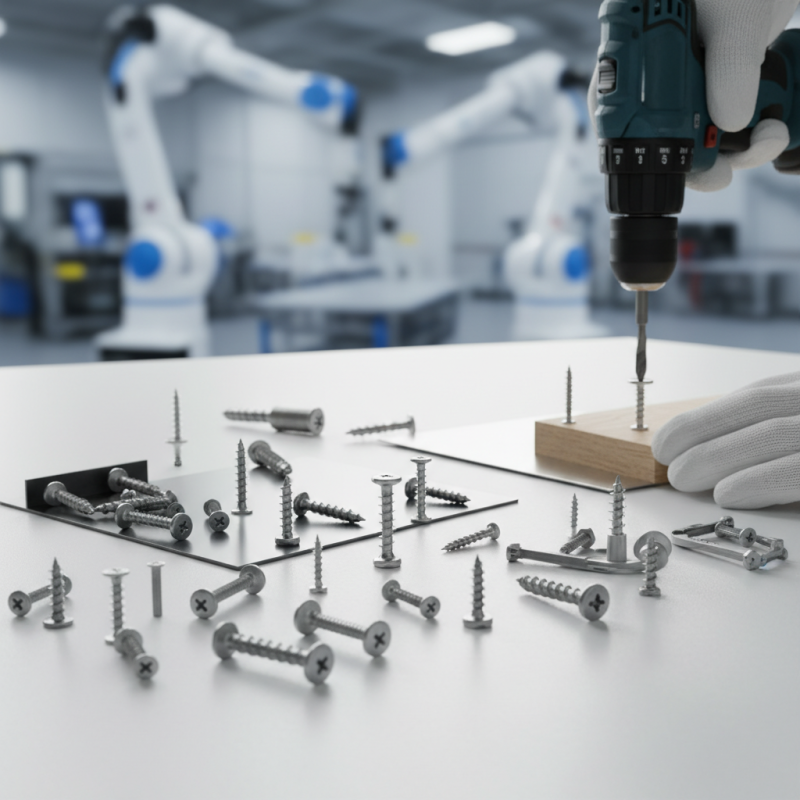
Self tapping screws are a type of fastener designed to create their own hole when driven into materials. Unlike standard screws, self tapping screws have a sharp, pointed tip and unique threading that allows them to "tap" into the surface. This feature makes them extremely versatile for various materials, including metal, plastic, and wood. They are often used in construction, automotive, and electronic applications due to their efficiency.
When using self tapping screws, ensure you choose the right size and type for your project. The material thickness will influence the screw length and width. Always pre-drill if you're working with harder materials like stainless steel. This can save you time and prevent damage.
Tips: Always wear protective gear when using power tools. Check the screw's compatibility with your chosen material. Avoid over-tightening, as it might strip the hole or break the screw. Inspect your work regularly to ensure each connection is secure and functional. This will help maintain the integrity of your project in the long run.
Types of Self Tapping Screws and Their Applications
Self-tapping screws are popular fasteners that create their own thread as they are driven into materials. Understanding the different types and their applications can significantly impact your projects. There are several main types, including thread-cutting and thread-forming screws. Thread-cutting screws remove material to create threads, making them ideal for harder materials like metal. On the other hand, thread-forming screws displace material to form a thread, suitable for softer materials like plastic and wood.
The applications of these screws vary widely. For example, thread-cutting screws are often used in metalworking and construction. They provide a strong hold in thicker materials. Meanwhile, thread-forming screws are commonly used in electronics, where securing delicate components is crucial. Their design helps maintain a clean finish without damaging the inner structure. However, selecting the wrong type for your application may lead to issues like stripping or weak joints. Therefore, understanding the specific needs of your material is essential. Always test a few if you're unsure.
What is Self Tapping Screws and How to Use Them? - Types of Self Tapping Screws and Their Applications
| Type of Self Tapping Screw | Material | Common Applications | Driving Method |
| Thread Cutting | Steel | Metal to Metal Assembly | Screw Driver |
| Self Drilling | Stainless Steel | Sheet Metal and Wood | Drill Machine |
| Self Tapping | Aluminum | Plastic Components | Screw Driver |
| Sheet Metal | Brass | Automotive Parts | Electric Screwdriver |
Tools Required for Using Self Tapping Screws
Self-tapping screws are essential in various construction and DIY projects. They simplify fastening by creating their own thread as they are driven into materials. However, using them effectively requires the right tools.
To start, you'll need a power drill or screwdriver. The drill should have the appropriate size and speed for the screw type. According to a report from the Fastener Quality Act, using the right torque setting can greatly enhance screw performance. A torque setting of 10-15 Nm for most screws is recommended. It's vital to choose a drill bit that matches the screw's diameter to avoid damaging the material.
When working with self-tapping screws, consider safety goggles to protect your eyes from debris. This is a common oversight; many neglect this important step. Additionally, a magnetic tip screwdriver can reduce drop risks and expedite the fastening process.
Tips: Pre-drilling may be necessary for harder materials. This practice helps to guide the screw and prevents splitting. Regularly check your tools for wear and tear to ensure safe and effective operation. Remember, even small mistakes can lead to significant setbacks, so take the time to set up correctly.
Step-by-Step Guide to Installing Self Tapping Screws
Self-tapping screws are versatile tools for various projects. They cut their own threads as they are driven into materials, eliminating the need for pre-drilled holes. When correctly used, these screws provide strong and secure connections. However, improper usage can lead to issues like stripped threads and weakened joints.
To install self-tapping screws, begin by choosing the right type for your material. For softer materials, like wood, select a coarse-thread screw. For metals, fine-thread screws are often better. Use a screwdriver or a drill with a torque setting. A drill with high speed can slip or damage the screw, so be cautious.
Before driving in the screw, align it properly. Hold the screw perpendicular to the surface. Watch for tilting; this can cause misalignment. Apply even pressure while driving the screw in. Don’t force it; if resistance builds, stop and check for obstructions. Over-tightening can strip the screw or material. Paying attention to these details can prevent mistakes that lead to costly repairs.
Common Mistakes to Avoid When Using Self Tapping Screws
When using self-tapping screws, many common mistakes can lead to frustrating outcomes. One frequent error is improper pilot hole preparation. Underestimating the need for a pilot hole can cause splitting or cracking in the material. Always ensure that the hole diameter matches the screw size. It helps the screw engage properly without damaging the surrounding area.
Another mistake involves incorrect screw selection. Not all self-tapping screws are the same. Using a screw that is too short for your material thickness can lead to weak fastening. Additionally, excessive torque can strip the screw threads. Pay attention to the torque settings. It’s easy to overlook this detail in the heat of the moment, but it impacts long-term durability significantly.
Lastly, ignoring the material compatibility is a significant error. Some screws may work well with metal but fail in softer woods. Conducting a material analysis beforehand can save time and effort. Avoiding these mistakes ensures effective and reliable results in your projects. A thoughtful approach makes all the difference.





