How to Select the Best Polymeric Insulator for Your Needs?
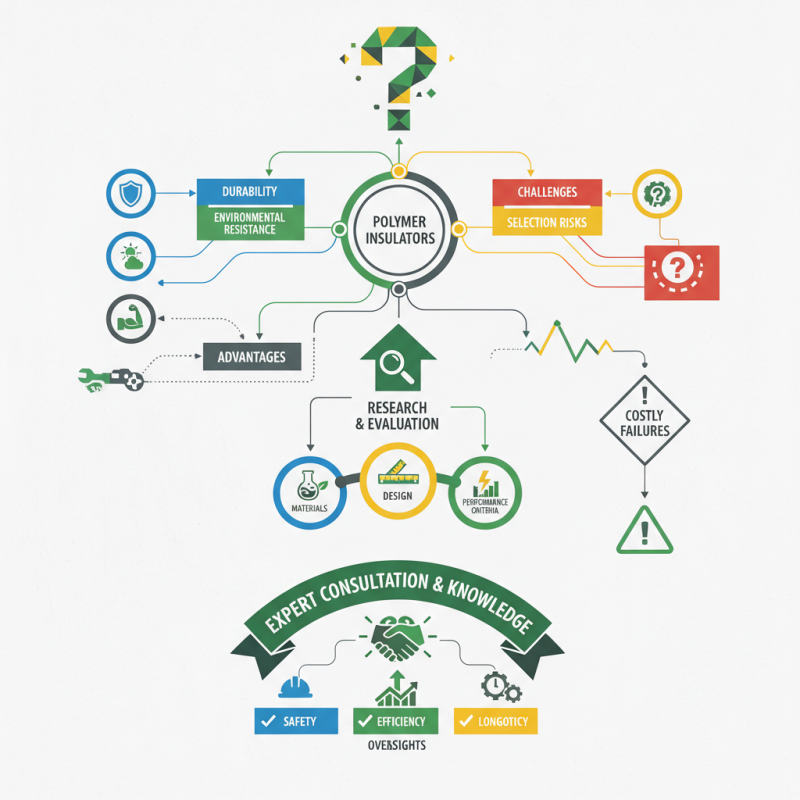
Selecting the right Polymeric Insulator is crucial for any electrical project. Industry expert Dr. James Thompson states, “Choosing the correct polymeric insulator can prevent costly failures.” His insight underscores the importance of understanding your specific needs.
Polymeric insulators are widely used due to their durability and resistance to environmental factors. They are not immune to challenges, though. Selecting the wrong type can lead to unexpected problems. Each application has unique demands that require careful consideration.
Investing time in research is essential. Evaluate materials, design, and performance criteria. A thoughtful approach leads to better choices. This can enhance safety, efficiency, and longevity in electrical systems. Make sure to consult with experts and gather reliable information. Using polymeric insulators without proper knowledge may lead to oversights.
Understanding the Basics of Polymeric Insulators
Understanding polymeric insulators is crucial for selecting the right one for your application. These insulators are made from high-performance materials that provide excellent electrical insulation and resistance to environmental factors. They offer advantages over traditional insulators, such as lightweight design and lower maintenance needs. However, understanding their composition and performance is vital.
Polymeric insulators can be sensitive to UV exposure, temperature fluctuations, and pollution. Their performance can vary widely based on environmental conditions. It’s essential to consider these factors when making a choice. Some insulators may not perform effectively in extreme temperatures or harsh environments. Analyzing the specific conditions your insulator will face is key to avoiding future problems.
Take time to research the various types available. Consider the different polymer materials and their properties. Examining case studies or expert recommendations can provide insight. Don’t hesitate to consult professionals for guidance. Their expertise can help clarify your options. Making an informed decision will ensure long-term reliability and performance in your project.
Identifying Your Specific Performance Requirements
Identifying specific performance requirements is crucial when selecting polymeric insulators. Start by assessing the electrical properties needed for your application. Consider factors like voltage levels, environmental conditions, and potential contamination. The reliability of the insulator may directly depend on these elements. Each application has unique demands. If the insulator does not meet the voltage threshold, it could fail prematurely.
Next, think about mechanical strength. Depending on the location, insulators may endure extreme weather. Heavy winds or ice accumulation can exert significant stress. Choose materials designed to withstand these conditions. It's also essential to factor in thermal performance. High temperatures can degrade some polymeric materials. This requires you to carefully evaluate temperature ratings.
Even with a thorough investigation, there might be unexpected performance issues. Testing and feedback can reveal weaknesses. Sometimes, the ideal insulator is not readily available. In such cases, it's essential to tweak specifications or explore alternatives. Keep an open mind and stay flexible during the selection process. Adapting to needs can lead to discovering your optimal insulator solution.
How to Select the Best Polymeric Insulator for Your Needs? - Identifying Your Specific Performance Requirements
| Performance Requirement | Description | Recommended Material | Typical Application |
| Electrical Insulation | Ability to withstand high voltage without conducting electricity. | Polyethylene (PE) | Transmission lines and substations. |
| Thermal Stability | Resistance to deformation and degradation at high temperatures. | Polypropylene (PP) | Electrical components in high-temperature environments. |
| Mechanical Strength | Ability to withstand physical stress without breaking. | Polyamide (Nylon) | Outdoor applications subject to high winds or impacts. |
| UV Resistance | Ability to resist degradation from ultraviolet light exposure. | Ethylene Tetrafluoroethylene (ETFE) | Applications exposed to sunlight, such as antennas and outdoor structures. |
| Tracking and Erosion Resistance | Resistance to surface degradation caused by electric field and weathering. | Silicone Rubber | Insulators in polluted environments or coastal areas. |
Evaluating Environmental Factors Affecting Insulator Selection
Selecting the right polymeric insulator involves understanding environmental factors that significantly impact performance. Regional climate can affect insulator durability. For example, areas with high humidity and temperature fluctuations may cause insulators to degrade faster. Data from the International Electrotechnical Commission (IEC) report indicates that insulators can lose up to 30% of their life expectancy due to environmental stressors.
Pollution levels also play a crucial role. Insulators exposed to industrial areas accumulate pollutants that can lead to flashovers. A study by the Electric Power Research Institute (EPRI) highlighted that insulators in urban environments suffered from a 40% higher failure rate. Additionally, UV exposure can deteriorate materials over time. This is particularly true in sunny locations where prolonged sunlight can weaken polymer structures.
Understanding these environmental influences is key. Each insulator option has its strengths and weaknesses. It's essential to assess local conditions carefully. Analyzing past performance reports could lead to better choices. Often, the best solution may not be apparent without thorough evaluation. It’s a complex decision-making process that requires ongoing reflection and attention to detail.
Comparing Different Types of Polymeric Materials
Polymeric insulators are essential in various electrical applications. Different types of polymeric materials offer unique advantages. When selecting an insulator, understanding these variations is crucial. For instance, silicone rubber exhibits excellent hydrophobic properties. This characteristic helps maintain performance in adverse weather conditions, making it suitable for outdoor installations. A study from the IEEE shows that silicone insulators can outperform traditional ceramic insulators in critical environments.
[Image Placeholder] Another common material is ethylene propylene diene monomer (EPDM), known for its durability. EPDM can resist ozone and UV degradation, extending its lifespan significantly. Reports indicate that EPDM holds up well in long-term field tests, often exceeding expectations in performance. However, its lower thermal stability makes it less ideal for all applications. Engineers must balance these trade-offs when making decisions.
Finally, there are advantages and drawbacks to each type of polymeric insulator. The choice often depends on the specific environmental conditions and operational risks involved. Some materials provide remarkable insulation but may lack mechanical strength. Others excel in durability but may struggle with environmental challenges. Understanding these nuances and consulting industry reports can guide you to the right choice for your needs.
Cost Considerations and Long-Term Maintenance Factors
When selecting a polymeric insulator, cost considerations are fundamental. Initial costs can vary widely across different types. Think about the long-term expenses as well. Lower upfront costs may lead to higher maintenance expenses later. Evaluate your budget carefully to balance initial investments with future savings.
Incorporating long-term maintenance factors is essential. Regular inspections are vital for ensuring the effectiveness of the insulator. They help identify wear or degradation, which can be costly if ignored. Engaging with industry experts can provide insights into maintenance schedules and practices. This can save time and resources in the long run.
Not every option suits every environment. Harsh conditions can significantly impact performance. Sometimes, what seems like a cost-effective choice may lead to more frequent repairs. Reflecting on your specific needs and the material's performance in your context is crucial. An informed choice today can prevent costly mistakes tomorrow.