What is Rotational Molded Parts and Their Benefits?
Rotational molded parts are a widely used manufacturing solution in various industries. They offer unique advantages that enhance product performance and efficiency. This process involves creating hollow plastic parts by heating and rotating a mold. The result is a uniform thickness and seamless design. Many industries utilize rotational molding due to its cost-effectiveness and versatility.
The benefits of rotational molded parts include durability and lightweight properties. These parts can withstand harsh environments and heavy use. However, choosing the right materials and designs requires expertise. It is essential to understand the limitations of this method too. For example, larger molds can be expensive and require more space. Balancing these factors is crucial for successful implementation.
Understanding the potential of rotational molded parts can lead to innovative solutions. Companies must keep evolving and adapting to maximize their benefits. As we explore further, the applications and advantages of these parts reveal their significance in modern manufacturing.
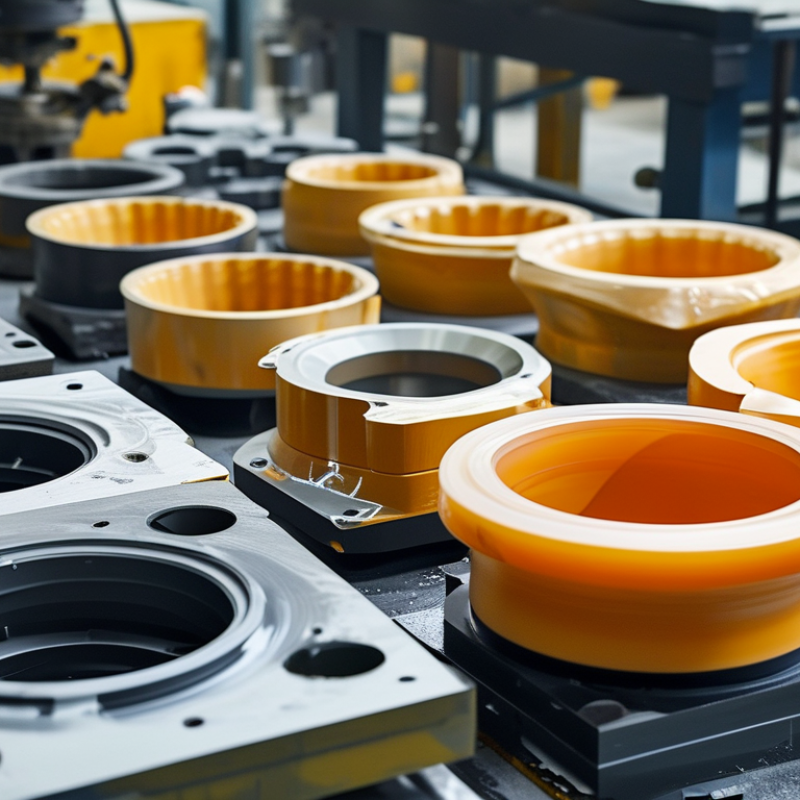
What is Rotational Molding and How Does It Work?
Rotational molding is a fascinating manufacturing process. It involves heating plastic inside a hollow mold. The mold rotates around two perpendicular axes. This unique movement allows the plastic to coat the mold's interior evenly. After heating, the mold cools. The cooled plastic solidifies into a durable part. This process can create complex shapes with minimal waste.
One significant advantage of rotational molding is design flexibility. The process accommodates various sizes and shapes, from small components to large containers. The consistency of the wall thickness is another benefit. However, achieving precise dimensional tolerances can be challenging. Sometimes, the final product may require additional finishing. This makes it crucial for designers to factor in these aspects early in the design process. Overall, rotational molding holds immense potential in creating innovative and cost-effective solutions for various industries.
Key Characteristics of Rotational Molded Parts in Manufacturing
Rotational molded parts offer unique benefits in manufacturing. The process involves heating thermoplastic materials in a mold. The material then coats the inside of the mold, forming a uniform thickness. This leads to strong, lightweight products with minimal waste.
A key characteristic of rotational molding is design flexibility. Manufacturers can create complex shapes that traditional methods cannot achieve. This opens the door for innovative designs. Moreover, the seamless construction prevents leaks. The result is a durable product that performs well over time.
However, challenges do exist. The initial mold costs can be high. This requires careful planning for larger production runs. Additionally, cycle times can be longer compared to other methods. Balancing these factors is essential for successful projects. Each design needs a thorough analysis to assess its feasibility in this process.
What is Rotational Molded Parts and Their Benefits?
| Characteristic | Description | Benefits |
| Material Versatility | Various materials can be used including plastics like polyethylene and nylon. | Allows for a wide range of applications and customizations. |
| Design Flexibility | Complex shapes can be easily created due to the nature of the molding process. | Offers innovative and unique product designs. |
| Cost-Effectiveness | Low tooling costs compared to other manufacturing methods. | Ideal for low to medium production runs. |
| High Durability | Parts produced are known for their strength and durability. | Long-lasting products suitable for outdoor and rugged applications. |
| Seamless Construction | Parts are made in one complete piece with no seams or joints. | Results in improved structural integrity and aesthetics. |
Advantages of Rotational Molding Over Other Fabrication Methods
Rotational molding is a unique manufacturing process widely used to create hollow plastic parts. This method offers several benefits compared to traditional fabrication techniques. One key advantage is the ability to produce complex shapes with consistent wall thickness. The process involves filling a mold with powdered plastic, then heating it while rotating. This ensures even distribution of material, leading to a strong and durable product.
Another important aspect is the cost-effectiveness of rotational molding. It requires lower startup costs and can minimize waste. Manufacturing large parts is feasible without high tooling expenses, making it an attractive option for various industries. Diverse applications range from automotive components to toys. The flexibility in design is remarkable, allowing for customization to meet specific requirements.
However, it's essential to consider some limitations. The process may not be suitable for very high-volume production runs. Cycle times can be longer than other methods, which might affect delivery schedules. Despite these challenges, the benefits often outweigh the drawbacks. Rotational molding continues to be a preferred choice for many designers and engineers aiming for quality and efficiency.
Industry Applications of Rotational Molded Parts and Their Impact
Rotational molded parts are used across various industries, showcasing their versatility and effectiveness. From automotive to medical, these parts play a crucial role. In the automotive sector, they are ideal for creating lightweight components. Their durability reduces the overall weight of vehicles, improving fuel efficiency. In medical applications, rotational molded parts provide seamless designs for complex shapes, ensuring easy cleaning and sanitation.
The environmental impact is noteworthy as well. Rotational molding generates less waste than other manufacturing methods. Material usage is optimized, supporting sustainable practices. However, challenges remain. Some industries require rapid prototyping, while rotational molding may be slower. This can lead to longer lead times for product development. Adapting to these demands is necessary to keep up.
In consumer goods, rotational molded parts offer customization options. Unique designs may attract consumers, but consistency can be a concern. Ensuring quality across production runs requires careful monitoring. In sectors like toys or outdoor equipment, the focus is on safety and usability. Balancing design with these needs is an ongoing process. The effectiveness of rotational molded parts speaks to their extensive applications, yet industry challenges persist.
Cost Efficiency and Sustainability of Rotational Molded Products
Rotational molded parts have gained popularity due to their cost efficiency and sustainability. This manufacturing process creates hollow plastic products by heating and rotating molds. The result is a lightweight, durable part that is often more affordable than alternatives. Rotational molding reduces waste by using minimal materials, making it an eco-friendly option for many industries.
The sustainability factor of rotational molded products is significant. The process generates less scrap and produces fewer emissions compared to other forms of plastic manufacturing. Many companies are now prioritizing sustainable practices. Using recycled materials in rotational molding can be a game-changer. It not only cuts costs but also minimizes environmental impact. However, sourcing high-quality recycled materials can be challenging.
Cost efficiency is another aspect worth considering. The initial investment in molds can be high, yet the long-term benefits often outweigh these costs. Production runs can be scaled up easily without significant increases in expenses. This flexibility allows manufacturers to respond quickly to market demands. Companies may still face hurdles in optimizing their processes. Balancing production rates with quality control often requires ongoing adjustments and reflections on the methods used.
Cost Efficiency and Sustainability of Rotational Molded Parts
This bar chart illustrates the various benefits associated with rotational molded products, highlighting key factors such as cost efficiency and sustainability.





