Top Reasons to Choose Stainless Steel Floor Drains for Your Projects?
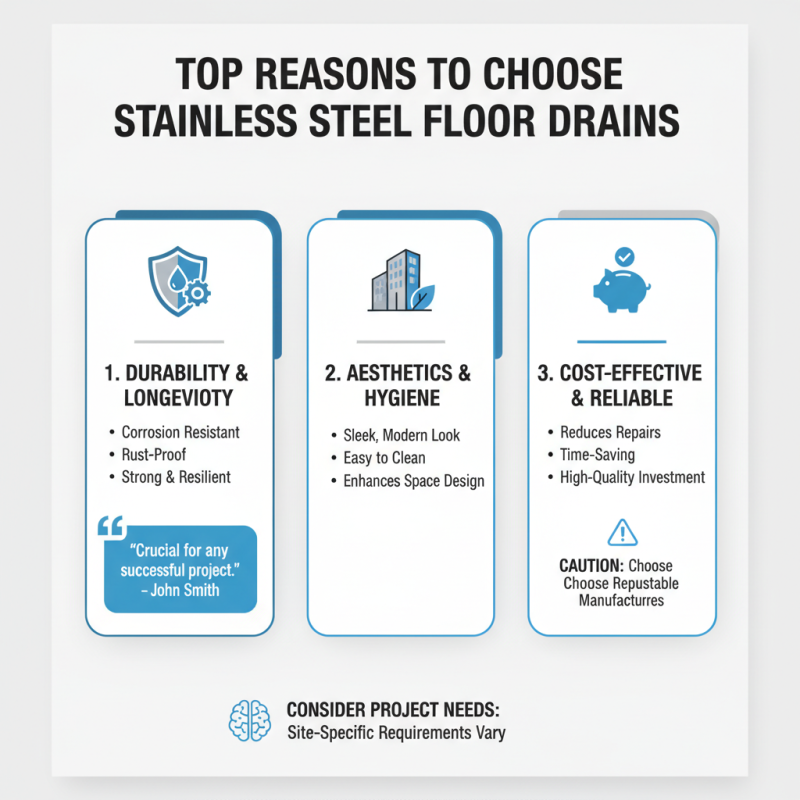
In the world of construction and design, the choice of materials can significantly impact a project’s durability and functionality. Experts recommend using Stainless Steel Floor Drains for various applications. John Smith, a renowned industry expert, once stated, "Choosing the right floor drain is crucial for any successful project." His insight emphasizes the importance of quality and reliability in functional design.
Stainless Steel Floor Drains offer superior resistance to corrosion and rust, making them ideal for commercial and residential settings. These drains are not only strong but also aesthetically pleasing. Their sleek appearance can enhance the overall look of any space. However, it’s essential to choose a reputable manufacturer. Poor-quality options can lead to premature failures and costly repairs.
Investing in high-quality Stainless Steel Floor Drains can save time and resources in the long run. Their longevity and efficiency are unmatched. Yet, not every project may suit this material perfectly. Understanding specific site needs is vital before making a decision. Reflecting on the project's requirements ensures the right choice is made.
Advantages of Stainless Steel Drains Over Other Materials
When selecting drainage solutions, stainless steel floor drains stand out for various reasons. One major advantage is their durability. Unlike plastic or cast iron, stainless steel resists corrosion, rust, and deformation. This makes it ideal for locations exposed to moisture or harsh chemicals. Installation in commercial kitchens, heavy industrial spaces, and even residential areas benefits from this material. Its robust nature ensures long-lasting performance despite frequent use.
Another significant aspect is maintenance. Stainless steel drains are easier to clean compared to other materials. Smooth surfaces discourage the buildup of dirt and grime. Regular cleaning can keep them looking new with minimal effort. This is especially important in high-traffic areas. Stainless steel eliminates the need for frequent replacement due to wear, which can save time and resources over the project's life.
Aesthetically, stainless steel offers a sleek, modern look that suits various designs. It blends well with different environments and stands up to heavy foot traffic without losing its appeal. However, some argue that initial costs may be higher than other options. While this point is valid, most users find that the long-term savings on maintenance and replacement justify the investment. In the end, choosing stainless steel can enhance both function and form in any project.
Corrosion Resistance and Longevity Statistics in Drain Applications
Stainless steel floor drains are an excellent choice for various applications. Corrosion resistance is a crucial factor in their longevity. According to industry studies, stainless steel drains resist rust and degradation far better than PVC and cast iron alternatives. For instance, stainless steel can withstand harsh chemicals, maintaining performance in both commercial and residential settings.
Longevity statistics reveal that stainless steel drains can last up to 50 years with minimal maintenance. In contrast, cast iron drains may only last about 25 years under similar conditions. This significant difference in lifespan can influence project costs, especially for large installations. The initial expense of stainless steel may be higher, but longevity often offsets those costs.
Furthermore, some reports suggest that up to 80% of commercial drainage issues stem from material failure. Floor drains made of stainless steel typically face fewer issues related to corrosion. However, they still require regular inspections to ensure optimal performance. Regular checks help identify wear or damage early, preventing costly repairs down the line. Balancing initial investment with long-term maintenance needs is essential in project planning.
Top Reasons to Choose Stainless Steel Floor Drains for Your Projects
Design Flexibility of Stainless Steel Floor Drains for Various Projects
Stainless steel floor drains offer exceptional design flexibility for various projects. Their sleek appearance complements modern aesthetics while maintaining functionality. These drains can adapt to any layout, whether in kitchens, bathrooms, or commercial spaces. The ability to customize sizes and shapes allows designers to create unique solutions for diverse environments.
The material’s durability is another significant advantage. Stainless steel is resistant to corrosion and staining, ensuring longevity even in high-traffic areas. However, choices should still be made carefully. Not all stainless steel grades are equal, and some may not perform well in particular conditions. It’s essential to assess the specific requirements of the installation site to ensure optimal performance.
Moreover, while the versatility of stainless steel drains is notable, some downsides exist. Installing these drains may require skilled labor for proper alignment and sealing. This can add to project costs and timelines. Designers should weigh these factors against the benefits, considering the long-term value stainless steel provides to their projects.
Hygienic Properties of Stainless Steel for Healthcare and Food Industries
Stainless steel is widely recognized for its hygienic properties, making it the top choice for healthcare and food industries. Its non-porous surface does not harbor bacteria or pathogens, essential for maintaining cleanliness in sterile environments. Hospitals and kitchens increasingly rely on stainless steel floor drains, ensuring safety for patients and consumers alike.
In healthcare settings, infections can arise from improper sanitation. Stainless steel's durability allows for easy cleaning and maintenance, reducing the risk of microbial contamination. These drains can withstand harsh chemicals used for disinfection. In food processing areas, where spills are common, their resilience helps to minimize the buildup of harmful substances. However, neglecting regular inspections can lead to rust or corrosion over time.
Choosing stainless steel is not just about functionality; it’s a commitment to health. While the initial investment may be higher, the long-term benefits outweigh costs. It's crucial to recognize that even high-quality materials need proper care to ensure their reliability. Occasionally, oversight in cleaning protocols can undermine their effectiveness, leading to potential hazards. Making informed decisions by evaluating both hygiene needs and maintenance schedules is vital.
Cost-Effectiveness and ROI of Using Stainless Steel Drain Solutions
When considering materials for drainage solutions, stainless steel stands out. Its cost-effectiveness is one reason many professionals prefer this option. While the initial investment may seem high, the longevity of stainless steel proves beneficial over time. Installation costs tend to balance, and maintenance is minimal.
Using stainless steel drains can enhance the overall return on investment. They resist corrosion and require fewer replacements, which saves on long-term expenses. Projects that prioritize durability often find stainless steel is the best choice. It provides reliable performance even in demanding environments.
However, some might question whether the upfront costs justify the benefits. They may consider alternative materials, but these often lead to higher maintenance costs and frequent replacements. It's essential to evaluate specific project needs and conditions carefully. The right choice can substantially impact project success and financial outcomes. Steel drains are not just practical but a smart investment for the future.
Top Reasons to Choose Stainless Steel Floor Drains for Your Projects
| Feature | Advantages | Cost-Effectiveness | ROI |
| Durability | Resistant to corrosion and heavy loads | Lower maintenance costs | High long-term savings |
| Hygiene | Non-porous surface prevents bacterial growth | Fewer cleaning agents required | Less frequent replacement increases savings |
| Aesthetics | Modern and sleek appearance | Attractive finish adds value | Improves overall project appeal |
| Versatility | Suitable for various applications | Adaptable for different project requirements | Maximizes utility and efficiency |
| Environmental Impact | Recyclable material reduces waste | Sustainable choice for projects | Potential for tax benefits on green initiatives |





