Top Reasons to Choose Polymer Insulators for Your Projects?
In the evolving field of electrical engineering, the choice of materials is crucial. Polymer Insulators have gained attention for their unique advantages. Dr. Emily Hart, a renowned expert in insulation technology, emphasizes, "Polymer insulators offer flexibility and durability that traditional materials cannot match." This statement reflects the growing consensus among industry professionals.
Many projects have benefited from using polymer insulators. They resist environmental impacts better than ceramic or glass insulators. Their lightweight design simplifies installation and reduces transportation costs. However, some hesitate due to unfamiliarity with these advancements. It demands a shift in thinking.
Reliability is essential in any project. Although polymer insulators are proven in various applications, ongoing research is necessary. Users must consider their specific needs when selecting insulators. The benefits are clear, but they come with considerations. Adapting to new materials may require time and resources. Embracing innovation can lead to more efficient and cost-effective solutions.
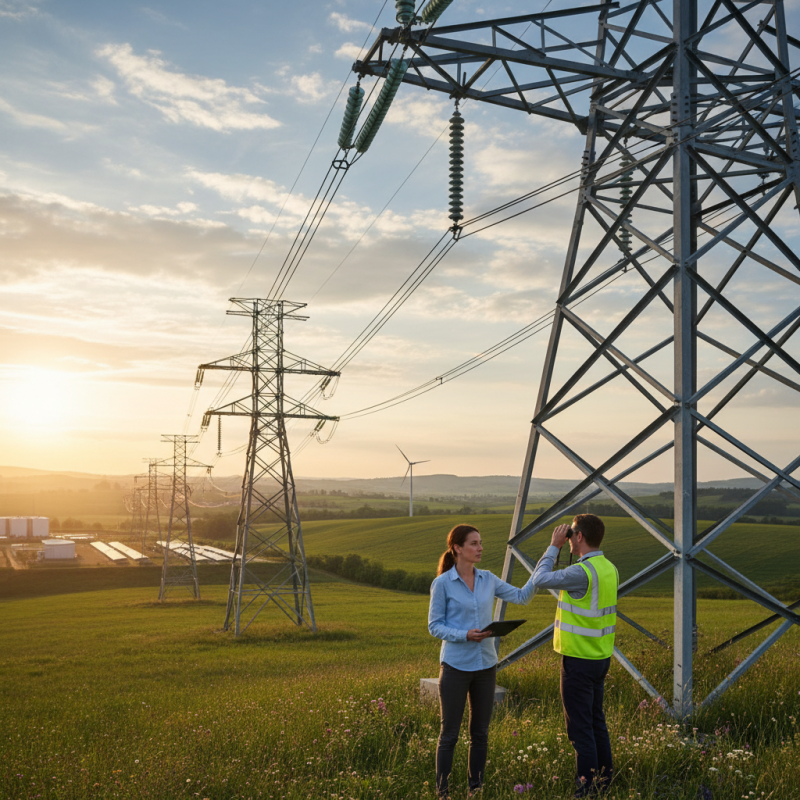
Benefits of Polymer Insulators in Electrical Applications
Polymer insulators are transforming the electrical industry with their unique properties. They are lightweight, making installation easier and more cost-effective. These insulators resist pollution and moisture better than traditional materials. This means they require less maintenance over time, leading to reduced operational costs for utilities.
These insulators also exhibit excellent electrical performance. Their high dielectric strength prevents electrical breakdown. This feature is crucial for ensuring a reliable power supply. Polymer insulators are also less prone to breakage. In harsh environments, they can withstand stress and impact. However, some engineers worry about their long-term durability under extreme conditions. This concern highlights the importance of thorough testing and evaluation.
Beyond functionality, aesthetics play a role too. Polymer insulators can be manufactured in different colors and designs. This allows for better integration into urban landscapes. However, the initial adoption of polymer insulators faced skepticism. Trust in new materials takes time and proven performance. Continued research and user experience are vital for wider acceptance.
Comparative Advantages of Polymer vs. Traditional Insulators
Polymer insulators have emerged as a favored choice in the electrical industry due to their remarkable advantages over traditional insulators. One notable benefit is weight. Polymer insulators can be up to 75% lighter than ceramic or glass alternatives. This reduction in weight eases installation and transport, leading to lower operational costs.
In terms of durability, polymer insulators provide a significant edge. Reports indicate that they exhibit superior resistance to environmental factors. Traditional insulators may suffer from issues such as cracking or deterioration under harsh conditions. Polymer materials can withstand extreme temperatures and pollution. This leads to reduced maintenance requirements and extended service life.
Tips: When selecting insulators, consider the local environmental conditions. Selecting the right material can drastically improve performance and lifespan. Regular inspections can help identify any potential issues early.
Another compelling aspect is electrical performance. Polymer insulators typically have a higher dielectric strength, reducing leakage currents, which can enhance overall system efficiency. Studies show that systems using polymer insulators have experienced fewer outages, highlighting their reliability. Nevertheless, it’s critical to evaluate specific project needs. Polymer may not always be the most cost-effective solution depending on the application.
Durability and Weather Resistance of Polymer Insulators
Polymer insulators are gaining attention for their impressive durability and weather resistance. Recent studies show that these insulators can withstand extreme environmental conditions, making them suitable for various projects. Unlike traditional materials, polymer insulators exhibit excellent performance in high UV exposure and humidity. They can endure temperatures ranging from -60°C to +120°C.
The longevity of polymer insulators is noteworthy. Research indicates that their lifespan can exceed 30 years under severe conditions. This contrasts with ceramic insulators, which often suffer from cracking and degradation over time. The lightweight nature of polymers also contributes to ease in installation and maintenance. Yet, it's crucial to acknowledge that some installations may require specific safeguards.
However, the effectiveness of polymer insulators is not universal. Environmental factors, including pollution and salt accumulation, can still impact performance. Further study is needed to address the variations in material quality. Understanding these elements is vital for ensuring optimal use of polymer insulators in any project.
Top Reasons to Choose Polymer Insulators for Your Projects
Cost-Effectiveness of Using Polymer Insulators in Projects
When considering insulators for various projects, polymer insulators stand out for their cost-effectiveness. The upfront investment might seem higher than traditional materials. However, the long-term savings they provide often outweigh initial expenses. Maintenance costs are significantly reduced with polymer insulators due to their durability and resistance to harsh weather conditions.
These insulators are lightweight, which allows for easier handling and installation. This can lead to decreased labor costs. Additionally, their performance remains stable over time, minimizing the need for replacements. In many cases, project managers may overlook the importance of durability, but this aspect can have a considerable impact on costs. Engineers should reflect on the total lifecycle costs rather than just initial pricing.
Moreover, polymer insulators demonstrate excellent electrical performance. Their insulation properties help prevent failures and outages. Some may question their effectiveness, given their newer emergence in the market. However, extensive testing has shown their reliability. The right choice often requires weighing immediate expenses against future savings. It's essential to approach this decision with a comprehensive view.
Environmental Impact and Sustainability of Polymer Insulators
Polymer insulators are gaining attention for their positive environmental impact. Unlike traditional ceramic insulators, they are lighter and less prone to breakage. This reduces transportation emissions and waste, contributing to a more sustainable supply chain. Their durability means fewer replacements over time, leading to less material consumption.
The manufacturing process of polymer insulators often uses less energy compared to ceramics. This efficiency can significantly lower carbon footprints. However, concerns remain about the long-term effects of polymer disposal. Unlike ceramics, some polymers may take longer to degrade. This raises valid questions about end-of-life solutions and recycling efforts.
Despite these challenges, the performance of polymer insulators in harsh conditions is noteworthy. They demonstrate resistance to chemical pollutants and ultraviolet rays. This resilience can extend their lifecycle, minimizing environmental impact. Yet, it’s crucial to continue researching sustainable practices in production and disposal to enhance their green credentials.
Top Reasons to Choose Polymer Insulators for Your Projects - Environmental Impact and Sustainability of Polymer Insulators
| Feature | Polymer Insulators | Ceramic Insulators |
| Weight | Lightweight and easy to handle | Heavier, requiring more structural support |
| Environmental Resistance | Superior resistance to moisture and pollution | Prone to contamination and requires frequent maintenance |
| Lifecycle | Long-lasting with low maintenance needs | Potentially shorter lifespan with more frequent repairs |
| Sustainability | Recyclable materials reduce environmental impact | Difficult to recycle and often end up in landfills |
| Cost-effectiveness | Lower installation and lifecycle costs | Higher initial purchase cost and maintenance expenses |
| Installation | Quick and easier to install | More complex installation process |





