Top 10 Reasons to Choose 316L Hygienic Bolts for Your Needs?
In the world of hygienic manufacturing, choosing the right components is crucial. Dr. Emily Carter, an expert in materials science, emphasizes, “316L Hygienic Bolts set the standard for reliability and cleanliness.” This statement reflects the growing recognition of these bolts in various industries.
316L Hygienic Bolts are designed for environments where hygiene is paramount. These bolts provide excellent corrosion resistance and durability. They are particularly well-suited for food processing and pharmaceutical applications. However, not all 316L bolts are created equal, and quality can vary between manufacturers.
Understanding the unique properties of 316L Hygienic Bolts guides better decision-making. While they excel in many applications, potential buyers should scrutinize specifications closely. There may be variations in grades and finishes that impact their performance. Careful selection can prevent costly mistakes down the line.
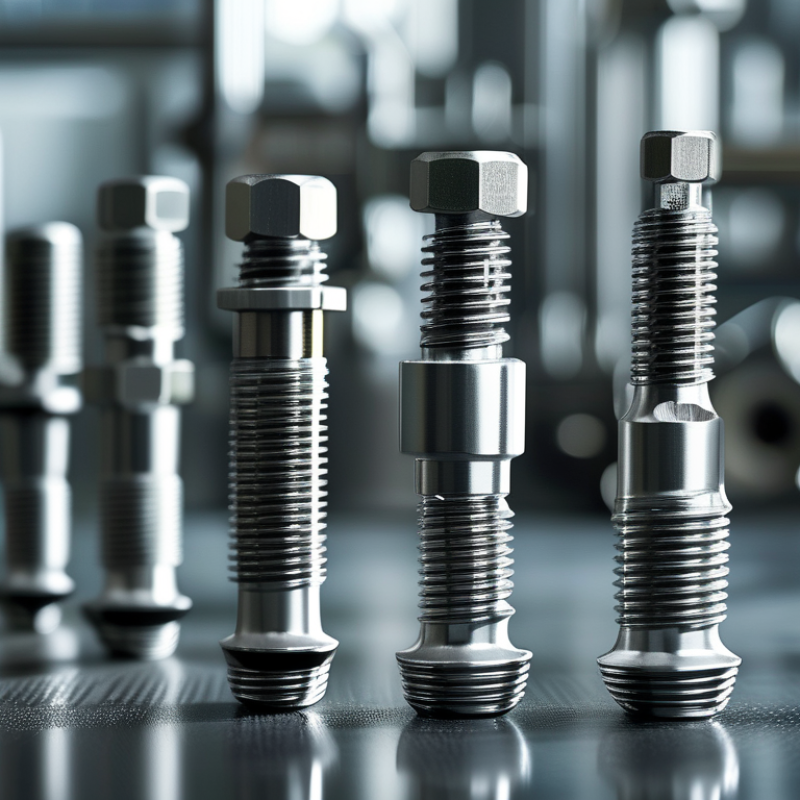
Understanding the Composition and Properties of 316L Stainless Steel
The composition of 316L stainless steel plays a crucial role in its application in hygienic environments. This alloy primarily comprises iron, chromium, and nickel, with molybdenum enhancing its corrosion resistance. According to industry reports, 316L demonstrates exceptional resilience against oxidation, making it suitable for harsh conditions. Its low carbon content minimizes the risk of carbide precipitation, ensuring structural integrity in welded areas.
Properties such as tensile strength and durability are vital. The tensile strength of 316L is typically around 70,000 psi, lending itself well to demanding applications. Yet, even with such strength, it is not immune to stress corrosion cracking in specific environments. Professionals must consider this vulnerability when selecting materials. Regular maintenance and inspections are necessary to ensure longevity and reliability.
Furthermore, 316L’s non-reactive nature when exposed to chemicals makes it favorable in food processing. However, not all 316L bolts are created equally. Variability in manufacturing processes can lead to inconsistencies. Regrettably, this sometimes results in unexpected failures. Proper certification and adherence to industry standards are essential to mitigate risks in critical applications.
The Importance of Corrosion Resistance in Hygienic Applications
Choosing 316L hygienic bolts is crucial for applications demanding high corrosion resistance. The material offers exceptional durability against harsh environments. According to the Corrosion Engineers Society, 316L stainless steel exhibits better resistance to pitting and crevice corrosion than many alloys. This is vital in food and pharmaceutical industries, where contamination risks must be minimized.
Corrosion can lead to equipment failure and product spoilage. In wet environments, there is a significant risk of rust and degradation. Using 316L bolts mitigates these risks. Notably, the material contains molybdenum, which enhances resistance to chlorides. This is particularly important in coastal areas where saltwater exposure is a concern.
Consider these factors when selecting fasteners: the environment, material composition, and potential for oxidation. Regular inspections are key to identifying early signs of degradation. This proactive approach can save costs and ensure a hygienic operation. Always weigh the long-term benefits against initial costs. Investing in high-quality materials like 316L is essential for maintaining compliance and operational integrity.
Benefits of Smooth Surface Finish for Hygiene and Maintenance
When it comes to hygiene in various industries, the choice of materials is critical. 316L hygienic bolts stand out due to their smooth surface finish. This finish minimizes crevices where bacteria can harbor. It is essential in environments like food processing or pharmaceuticals. Any rough texture can trap contaminants, endangering hygiene protocols.
The maintenance of smooth surfaces is straightforward. Regular cleaning becomes effective, reducing the time and effort spent on upkeep. Smooth finishes prevent corrosion and scaling, leading to prolonged product life. With a polished surface, inspection is easier. You can quickly spot wear and tear.
However, not every smooth finish is created equal. Some may still lack the proper durability against harsh chemicals. It is crucial to choose wisely. Consider the specific conditions in your industry. Always assess the long-term performance of these bolts. This nuanced understanding will enhance your operational efficiency and safety.
Examining the Mechanical Strength of 316L Hygienic Bolts
When considering the mechanical strength of 316L hygienic bolts, the material's composition plays a crucial role. 316L stainless steel is highly resistant to corrosion and oxidation. This characteristic ensures durability in challenging environments, especially in industries like food processing and pharmaceuticals. The low carbon content minimizes the risk of carbide precipitation, maintaining strength at elevated temperatures.
Another vital aspect is the tensile strength of 316L bolts. These bolts exhibit robust tensile strength, offering reliable performance in high-stress applications. Their ability to withstand heavy loads without deformation makes them ideal for critical installations. However, it is essential to evaluate the specific requirements of your application, as not all projects demand the same level of strength.
Moreover, there are limitations to consider. The cost of 316L materials can be a factor in some projects. While they provide exceptional strength and resistance, not every situation justifies the investment. Understanding when to use 316L bolts versus alternatives requires careful consideration and professional insight. Balancing cost and performance is key to making informed choices in any engineering application.
Top 10 Reasons to Choose 316L Hygienic Bolts
Cost-Effectiveness and Longevity of 316L Bolts in Various Environments
When it comes to selecting bolts for hygienic applications, 316L stainless steel stands out significantly. Its resistance to corrosion is one of the most appealing features. A report by the International Stainless Steel Forum indicates that 316L steel demonstrates superior performance in saline and acidic environments. This makes it a preferred choice in industries like food processing and pharmaceuticals.
Moreover, the longevity of 316L bolts translates into considerable cost-effectiveness over time. According to industry analyses, the lifespan of these bolts can exceed 20 years in harsh environments when proper installation and maintenance are observed. They require less frequent replacement, which minimizes downtime and associated labor costs.
However, it's essential to consider that the initial procurement price for 316L bolts can be higher than alternative materials. Organizations must weigh immediate costs against the benefits of durability and performance longevity. Investing in high-quality bolts can yield substantial savings in the long run. While these aspects are compelling, businesses should assess their specific needs carefully.





