What is Quartz Material and Why Should You Consider It?
Quartz Material has gained significant attention in the construction and design industries. Growing awareness of its benefits has led to increased demand. According to a recent report by Grand View Research, the global quartz surface market is expected to reach $19.65 billion by 2025. This speaks volumes about its rising preference among homeowners and designers alike.
Quartz Material is not only durable but also highly versatile. It is engineered from natural quartz crystals, combining beauty and resilience. It resists scratches and stains, making it ideal for countertops, flooring, and more. The National Kitchen and Bath Association highlights that 60% of consumers prefer quartz over other materials for kitchen countertops. This statistic reflects changing preferences in home design.
However, some aspects require careful consideration. While quartz surfaces are robust, they can also be susceptible to heat damage. Not all manufacturers adhere to the same quality standards. Research shown in industry publications warns against lower-tier products that may not perform as well. Investing in quality Quartz Material is essential for long-term satisfaction.
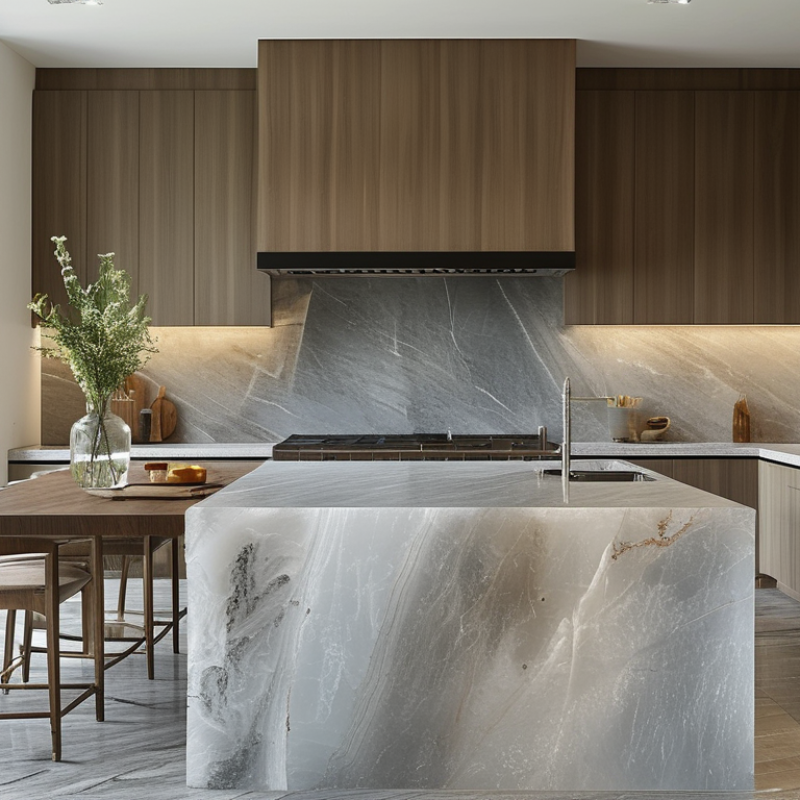
What is Quartz Material? A Comprehensive Overview
Quartz material is a versatile option used in various industries today. It is composed primarily of silicon dioxide, making it one of the most abundant minerals on Earth. Many appreciate its natural beauty, which comes in a range of colors and patterns. This composition allows quartz to mimic natural stones like granite or marble. Quartz is non-porous, meaning it resists staining and requires less maintenance than traditional materials.
In construction and design, quartz is gaining attention for its durability. It can withstand potent chemicals and heat, making it suitable for kitchen countertops and bathroom surfaces. However, a common misconception is that quartz is entirely natural. While it contains natural quartz crystals, it is also engineered with resins. This raises questions about its environmental impact and sustainability.
Quality is a critical concern when choosing quartz. Not every product on the market adheres to rigorous standards. Consumers must do thorough research to ensure they select materials that meet industry guidelines. The choice of quartz can greatly influence the aesthetics and longevity of a project. Understanding these subtleties leads to better decision-making in design.
The Composition and Properties of Quartz: Key Characteristics Explained
Quartz is a naturally occurring mineral composed primarily of silicon dioxide (SiO2). Its unique structure gives it various notable properties. It is highly durable, making it an excellent choice for countertops and flooring. According to industry reports, quartz surfaces rate high in scratch resistance, with scores comparable to granite. This makes it a preferred option for busy kitchens and commercial settings.
In addition to its strength, quartz is non-porous, which reduces the chances of bacteria growth. This feature contributes to its popularity in hygienic environments like hospitals and laboratories. Furthermore, quartz comes in a wide array of colors and patterns, appealing to diverse aesthetic preferences. Some studies indicate that about 90% of homeowners prioritize maintenance and aesthetics when choosing countertops, revealing the material's versatility.
However, while quartz offers many advantages, it also has limitations. It can be sensitive to high heat, which may lead to cracking if proper care isn’t taken. Users must remain aware of these potential issues. Understanding the makeup and characteristics of quartz can guide informed decisions for various applications in construction and design. Balancing its benefits and challenges is essential, ensuring that choices align with practical needs and style aspirations.
Industry Applications of Quartz Material: From Construction to Art
Quartz material is finding diverse applications across multiple industries. Its durability and aesthetic appeal make it popular in construction, art, and technology. The global quartz market was valued at approximately $8 billion in 2022 and is expected to grow at a CAGR of 5.1% from 2023 to 2030. This strong growth demonstrates its relevance in modern applications.
In construction, quartz is often used in countertops, flooring, and wall cladding. It can withstand high temperatures and is resistant to scratches. According to industry reports, about 70% of quartz usage is in residential and commercial spaces. Additionally, architects value quartz for its ability to blend seamlessly with various designs. However, there are challenges in sourcing high-quality quartz. The mining process can lead to environmental concerns, and not all suppliers adhere to sustainable practices.
Beyond construction, quartz is pivotal in artistic endeavors. Many artists utilize quartz in sculptures and installations, taking advantage of its translucent properties. The art community appreciates its versatility, allowing for innovative expressions. However, artists must be aware of the sourcing impact. Responsible sourcing is crucial not just for the environment but also for the integrity of artistic work. These considerations highlight the complexities surrounding quartz use, urging both industries and artists to reflect on their choices.
Comparative Analysis: Quartz vs. Other Countertop Materials
Quartz material has gained popularity in recent years as a versatile choice for countertops. Its durability and aesthetic appeal set it apart from traditional materials like granite and marble. The National Kitchen and Bath Association reports that quartz countertops are scratch, stain, and heat resistant. This makes them an excellent option for busy kitchens.
When comparing quartz to granite, there are significant differences. Granite is a natural stone, which means each slab is unique. However, its porous nature can lead to staining if not properly sealed. In contrast, quartz is engineered, allowing for consistent patterns and colors. A study by the American Society of Interior Designers found that homeowners preferred quartz for its low maintenance. They highlighted that only 10% of respondents preferred granite over quartz due to the sealing requirements and potential for cracks.
Marble, while elegant, is prone to etching and staining from acidic substances. A recent consumer report noted that 70% of customers who initially chose marble reported dissatisfaction due to maintenance challenges. Thus, quartz appears to be a more reliable choice for many. It offers the beauty of natural stone with less hassle and is favored by 60% of buyers looking for long-term value. This aligns with industry trends, reflecting a growing shift towards engineered materials in home renovations.
What is Quartz Material and Why Should You Consider It? - Comparative Analysis: Quartz vs. Other Countertop Materials
| Material | Durability | Maintenance | Cost (per sq. ft.) | Appearance | Heat Resistance |
| Quartz | High | Low | $50 - $100 | Wide variety | Moderate |
| Granite | Very High | Medium | $40 - $100 | Natural beauty | High |
| Marble | Medium | High | $50 - $150 | Elegant | Low |
| Laminate | Low | Very Low | $10 - $30 | Limited designs | Low |
| Solid Surface | Medium | Medium | $40 - $100 | Customizable | Moderate |
Environmental Impact of Quartz Production: Sustainability Considerations
Quartz material is gaining attention for its unique properties and applications. When considering its production, sustainability plays a crucial role. Quartz is primarily extracted through mining, and this process can have significant environmental impacts. It requires large amounts of land and water, leading to habitat destruction and resource depletion. Some mining practices can also create pollution, affecting local ecosystems.
Tips to minimize environmental impact: Opt for quartz materials sourced from responsible suppliers. Research their mining practices. Look for certifications that ensure sustainable extraction methods. These steps can help you make more informed choices.
It's important to think about recycling. Reusing quartz products can reduce waste and lessen the demand for new material. Although quartz is durable, it’s often discarded prematurely. This leads to a cycle of overproduction and waste. Reflecting on your usage patterns can promote a more sustainable approach to quartz consumption. Remember, every small effort contributes to a larger environmental goal.





