What is a Quarter-turn Actuator and How Does it Work?
Quarter-turn Actuators play a crucial role in various industrial applications, optimizing control over valves and dampers. According to a recent report by TechNavio, the global market for quarter-turn actuators is projected to grow by 4.8% annually, driven by increased automation across sectors. This trend highlights their significance in enhancing operational efficiency.
Industry expert Dr. Michael T. Larson emphasizes the importance of these devices, stating, "Quarter-turn actuators remain a fundamental component in modern industrial automation, ensuring precise control." These actuators are particularly beneficial in environments requiring reliable and swift operation. Their design allows for easy integration into automated systems, making them essential for improving productivity.
Despite their advantages, challenges exist. Users may encounter issues like misalignment or inadequate torque, which can lead to inefficient performance. Continuous innovation and adherence to quality standards are vital for overcoming these hurdles. A focus on reliability and precision will ultimately define the future of quarter-turn actuators in the industrial landscape.
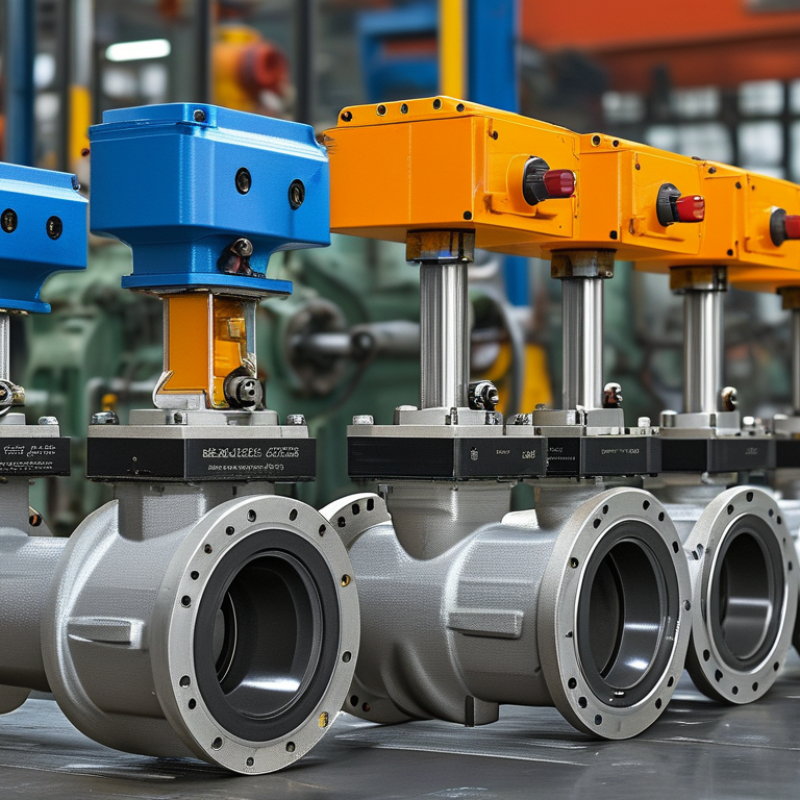
What is a Quarter-turn Actuator?
A quarter-turn actuator is a device that controls valves and dampers by rotating them a quarter turn. This type of actuator is essential in various industrial applications, providing precise control for fluid and gas systems. It typically operates using either electric, pneumatic, or hydraulic power. A common feature is its simplicity, which allows for efficient and reliable operation. Engineers often favor these actuators due to their cost-effectiveness and minimal maintenance requirements.
When considering a quarter-turn actuator, it's important to assess the specific requirements of your application. Look into the torque specifications needed for your valve or damper. If your system operates under high pressure, ensure your actuator can handle it. Failing to choose the right actuator can lead to performance issues.
One common tip is to regularly inspect your actuator for signs of wear and tear. Even small damages can dramatically affect performance. Consider implementing a scheduled maintenance plan to keep everything in top shape. This proactive approach can save money and prevent unexpected downtime. Always keep in mind that failure to maintain your actuator might result in costly repairs and operational interruptions.
Key Components of a Quarter-turn Actuator
A quarter-turn actuator is crucial in process automation. Understanding its key components helps grasp its functionality. Typically, a quarter-turn actuator facilitates a rotation of 90 degrees. This design suits valves, dampers, and other mechanisms needing quick positioning.
One significant part is the motor, which can be electric, pneumatic, or hydraulic. Electric motors often amplify speed and precision. In fact, electric actuators can achieve up to a 30% reduction in energy consumption when compared to pneumatic drives, according to a recent industry report. The gear system plays a role in torque multiplication, enabling the actuator to handle heavier loads efficiently. The integration of gears affects the overall size and weight, which can be a concern in compact spaces.
Feedback devices provide essential data for efficiency. These include limit switches and position sensors, allowing for real-time monitoring. By employing smart technology, actuators can adapt to operational changes. This proves beneficial in industries like oil and gas, where precision is vital. However, over-reliance on automated feedback may lead to a lack of manual oversight. This consideration is necessary when managing critical operations. The balance between automation and human supervision remains an important topic in actuator technology.
How Quarter-turn Actuators Operate Mechanically
Quarter-turn actuators are essential devices used to control valves and dampers. They operate by rotating 90 degrees to either open or close a valve. This motion is crucial in various industries, from water treatment to HVAC systems. Understanding how these actuators work can enhance efficiency and reliability in mechanical systems.
Mechanically, quarter-turn actuators use a simple design involving gears and a motor. The motor provides the necessary torque to turn the valve quickly. As the motor spins, it engages the gears, which multiplies the torque, facilitating the quarter-turn movement. This process allows for precise control over fluid flow. In practice, the actuator translates electrical signals into mechanical motion effectively.
Tips: Regular maintenance is key for these actuators. Check for any signs of wear or damage often. Also, consider the environmental factors that could affect performance, such as temperature changes. Ensure the actuator is calibrated correctly for the specific valve type. This attention to detail can prevent malfunctions.
Some users may overlook the importance of proper installation. Misalignment can lead to inefficiency. Take the time to double-check all connections during installation to avoid future issues. A small error can lead to costly repairs later.
Applications of Quarter-turn Actuators in Industry
Quarter-turn actuators play a vital role in various industrial applications. These devices are essential for controlling valves and dampers. Their operation is characterized by a simple yet effective 90-degree rotation. This design allows them to manage fluid and gas flow efficiently.
In sectors like oil and gas, quarter-turn actuators are commonly used for ball valves. These valves require precise operation to ensure safety and reliability. The actuator’s quick-response feature is ideal for emergency shut-off scenarios. Similarly, in HVAC systems, they regulate airflow effectively. This adjustment is crucial for maintaining optimal conditions in large buildings.
However, some challenges exist. Actuator selection must align with system requirements. An improper choice can lead to failures or inefficiencies. Regular maintenance is also essential. Neglect could result in costly downtimes. Therefore, a solid understanding of both the actuator and the system is necessary for achieving optimal performance.
Advantages of Using Quarter-turn Actuators
Quarter-turn actuators play a critical role in various industries. They provide efficient control for valves and dampers. These actuators operate with a simple 90-degree rotation to effectively open or close systems. One major advantage of using quarter-turn actuators is their speed. They can quickly move between positions, which is crucial for processes needing rapid response.
Another benefit is their compact design. Quarter-turn actuators do not take up much space, making them suitable for confined areas. Their simplicity leads to lower maintenance needs, which can reduce operational costs. Reliability is key; these actuators are built to perform under harsh conditions. However, one must consider the torque requirements for different applications. Inadequate torque may lead to failure in operation.
Safety is also a concern. Proper installation and alignment are essential to prevent accidents. Regular checks can help ensure that the actuator functions correctly. While quarter-turn actuators are generally efficient, they require thoughtful integration into systems. Users should always prioritize thorough evaluations for optimal performance.





