


Quanpin Machinery: 2026 Top Hollow Paddle Dryer Manufacturers And Suppliers
By 2026, the Hollow Paddle Dryer equipment market is really being shaped by energy efficiency, continuous processing, and tighter quality expectations. That leaves manufacturers with a pretty practical question: can one dryer lower moisture reliably—without damaging sensitive solids?
So, according to the International Energy Agency’s Energy Technology Perspectives 2024, industry uses almost 40% of the world’s final energy. And a big chunk of that? Process heating. That means drying efficiency isn’t just a factory-floor issue—it has wider implications. The U.S. Department of Energy also flags industrial process heat as a key target for cutting emissions. Put that together, and it’s easy to see why there’s growing interest in indirect, mechanically agitated drying systems.
As Professor Arun S. Mujumdar — one of the big names in drying research and the author of the Handbook of Industrial Drying — puts it, 'Drying is an energy-intensive operation.' And honestly, that observation is still spot on. Take a Hollow Paddle Dryer: it transfers heat through heated paddles and a jacket, while slowly moving the material through the chamber. The upshot? You get controlled drying for stuff like sludge, biomass, chemicals, minerals, and food ingredients.
So, this guide takes a look at some of the big names in manufacturing and supply — companies like ANDRITZ, Buss-SMS-Canzler, De Dietrich Process Systems, Hosokawa Micron, and Haarslev. What sets their designs apart? Things like paddle geometry, vacuum capability, how they handle residence time, materials, and the after-sales support you get. Honestly, the little details really matter. Pick the wrong shaft seal, for example, and you're likely looking at maintenance headaches and delays. Go with an undersized condenser, and vacuum performance can take a hit.
You know how market reports tend to lump paddle dryers in with the whole 'industrial drying equipment' bucket? That's a problem worth noticing. Straight-up comparisons aren't always apples to apples. So before you pick a supplier, dig into the thermal duty, feed moisture, test results, energy use, and lifecycle costs. A nice-looking brochure alone? That's not going to cut it.
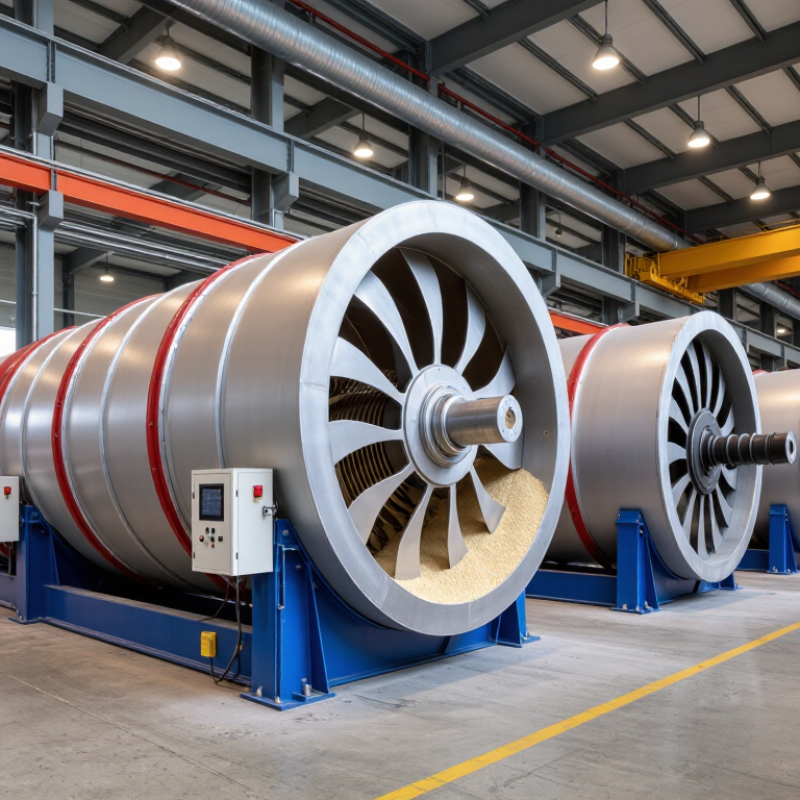
A hollow paddle dryer is an indirect, continuous drying machine for wet solids, slurries, and filter cakes. Heated paddles rotate inside a sealed trough. Heat passes through the paddle walls, while the product moves slowly across the drying chamber.
This design transfers heat without direct contact with combustion gases. It can reduce dust, protect oxygen-sensitive materials, and recover vapors through a controlled outlet. In practical plant operation, operators often adjust paddle speed, jacket temperature, and residence time separately. The final moisture level depends heavily on feed thickness and mixing quality. That detail is easy to underestimate.
Industry data supports the wider need for efficient drying. Mordor Intelligence estimates the industrial dryers market at about USD 3.71 billion in 2024, with projected growth toward USD 4.72 billion by 2029. The report links demand to process efficiency and stricter production control. A hollow paddle dryer may support these goals, especially where a closed system and moderate product movement are valuable.
However, it is not automatically the best choice.Sticky feed can build deposits between paddles. Poor vapor removal may increase pressure and extend drying time. Trial testing should measure thermal demand, residence time, discharge behavior, and cleaning effort. MarketsandMarkets also identifies energy efficiency and continuous processing as important drying-equipment trends in its 2024 industry analysis. Real results still depend on material behavior. Data sheets cannot replace a properly designed test.
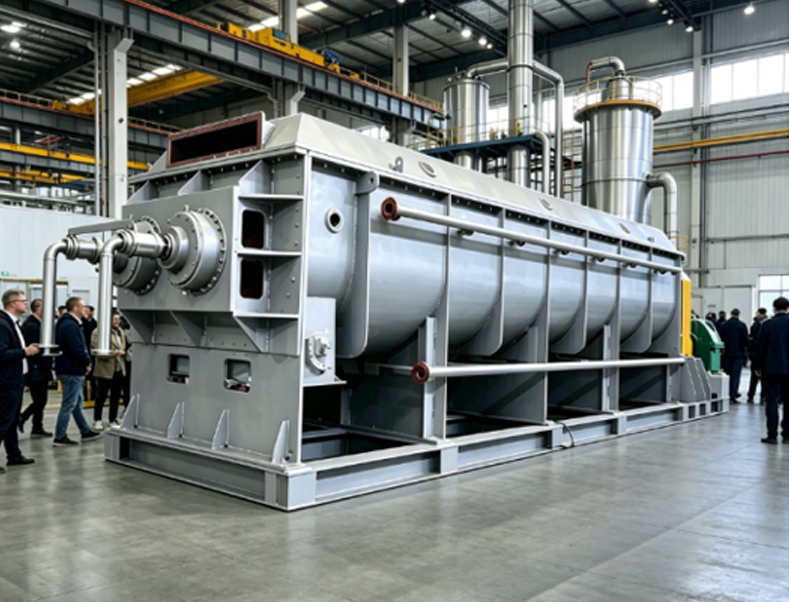
A hollow paddle dryer transfers heat indirectly through hollow shafts and paddles. The wet feed enters a horizontal vessel, where heated paddles slowly mix and lift the material. Moisture then evaporates from fresh particle surfaces. A jacket can add heat around the chamber.
The mechanism is simple, but control is not. Paddle rotation must expose solids without crushing sensitive particles. Under vacuum, water can evaporate at lower temperatures, protecting heat-sensitive materials. In a Kjg Paddle Dryer, operators should monitor feed moisture, residence time, shaft temperature, and vapor pressure together. One number rarely explains performance.
The U.S. Department of Energy’s Industrial Decarbonization Roadmap reports that process heating represented about 51% of manufacturing energy use in 2018. This makes indirect heat recovery important. The European Commission’s Best Available Techniques Reference Document for Waste Treatment also emphasizes enclosed processing and vapor control for safer, cleaner operations. Actual energy demand still varies widely. Particle size, starting moisture, and fouling can change results. A published rating is not a guarantee. Pilot testing remains necessary, and even experienced engineers can underestimate sticky buildup.
In 2026, hollow paddle dryer selection depends on measurable performance, not polished brochures. The IEA’s Energy Efficiency 2024 report places industry near 37% of global final energy demand. That figure makes thermal efficiency a serious purchasing issue. A Vacuum Paddle Dryer should provide indirect heating through hollow paddles and a jacketed trough. This design limits product contact with the heat-transfer medium.
Typical specifications include 30–200 rpm paddle speed, operating temperatures from 50°C to 300°C, and vacuum levels around 0.05–0.3 bar absolute. Actual values depend on moisture, particle size, and residence time. The paddles must create steady turnover, like a slow metal wave across the trough. Good designs also include torque monitoring, insulated surfaces, sealed bearings, and accessible cleaning ports. Small details matter.
The European Commission’s industrial emissions reference documents emphasize enclosed processing and controlled exhaust treatment. Buyers should therefore verify vapor-condensation capacity, filter loading, and pressure-control response. Some technical sheets claim impressive evaporation rates, but these figures often use ideal feed conditions. That is where evaluation becomes imperfect. Request a pilot test using real material, not substitute powder. Measure inlet moisture, outlet moisture, heating duty, final temperature, and electricity use. A practical supplier should disclose residence-time assumptions, heat-transfer area, material grade, and maintenance intervals. It should also explain what happens when the feed becomes sticky or uneven.
Hollow paddle dryers serve demanding production lines where controlled drying matters more than simple heat exposure. In chemical processing, they remove moisture from salts, pigments, catalysts, and intermediate compounds. Their indirect heating reduces direct contact with hot gases. This can help protect sensitive materials.
Food processors use them for starches, plant proteins, yeast, and concentrated ingredients. Operators can adjust paddle speed, jacket temperature, and residence time for better moisture control. Small changes matter. Excessive heat may affect color, texture, or nutritional quality. In biomass facilities, these dryers handle wood fibers, agricultural residues, and digestate before storage or further processing. Dust control remains essential.
Mineral plants apply hollow paddle dryers to filter cakes, fine powders, and inorganic compounds. The enclosed structure can reduce airborne material and improve workplace cleanliness. Wastewater facilities also use them to reduce sludge volume before transport or thermal treatment. Engineers usually assess feed consistency, sticky phases, and cleaning access before selecting equipment. A dry powder is not always the goal; stable handling may be more valuable.
The process is not foolproof. Uneven feeding can create wet pockets. Poor insulation can increase energy use. Regular inspection of seals, bearings, heating surfaces, and discharge systems supports dependable operation. Experienced suppliers should provide test data using representative feedstock, not ideal samples. Results can change significantly between laboratory trials and continuous production. That gap deserves honest review.
Application and technical selection overview for hollow paddle dryer systems
| Industry | Typical Feed Materials | Primary Drying Objective | Common Operating Mode | Suitable Heating Media | Key Equipment Requirements | Supplier Evaluation Priorities |
|---|---|---|---|---|---|---|
| Municipal and Industrial Wastewater | Sewage sludge, biological sludge, filter-cake sludge, wastewater treatment residues | Reduce water content, improve handling, enable fuel recovery or compliant disposal | Atmospheric or low-pressure operation; continuous feed and discharge | Low-pressure steam, hot water, thermal oil, or recovered heat | Wear-resistant paddles, vapor-condensation system, odor control, explosion and dust protection where required | Evaporation capacity, energy integration, corrosion resistance, emissions control, and maintenance access |
| Chemical Processing | Inorganic salts, pigments, catalysts, resins, polymers, crystallized products | Achieve specified residual moisture while protecting product purity and particle properties | Atmospheric drying for stable materials; vacuum drying for heat-sensitive or volatile products | Steam, thermal oil, hot water, or electrical heating | Closed vapor path, precise temperature control, suitable metallurgy, and dust-tight construction | Material compatibility, residence-time control, cleanability, containment, and process validation support |
| Food and Feed | Starch, malt, grains, vegetable residues, animal feed ingredients, food-processing by-products | Lower moisture, improve storage stability, and preserve product quality | Usually continuous atmospheric drying; vacuum may be selected for sensitive ingredients | Steam, hot water, thermal oil, or clean indirect heating circuits | Food-contact materials, hygienic design, easy inspection, low product carryover, and controlled discharge | Sanitary fabrication, clean-in-place options, temperature uniformity, and protection against cross-contamination |
| Pharmaceutical and Fine Chemicals | Active ingredients, excipients, wet intermediates, crystallized compounds, botanical extracts | Remove solvent or water under controlled conditions without degrading the product | Vacuum operation is common for heat-sensitive, oxygen-sensitive, or solvent-containing materials | Clean steam, hot water, thermal oil, or electrical heating | High-containment sealing, polished product-contact surfaces, inert-gas capability, and validated instrumentation | GMP-oriented design, traceability, cleanability, solvent recovery, and documentation quality |
| Biomass and Renewable Energy | Digestate fibers, wood residues, agricultural by-products, biochar feedstock, fermentation residues | Reduce moisture before pelletizing, combustion, gasification, or further processing | Continuous atmospheric drying with integrated hot-gas or heat-recovery systems | Recovered process heat, thermal oil, steam, hot water, or controlled hot gas through indirect surfaces | High-throughput feeding, anti-wear surfaces, fire prevention, dust control, and robust discharge equipment | Fuel efficiency, throughput stability, heat recovery, fire safety, and lifecycle operating cost |
| Minerals and Inorganic Materials | Mineral concentrates, filter cakes, gypsum, clay, carbonates, metal hydroxides | Remove process moisture and prepare material for milling, classification, or packaging | Atmospheric continuous drying; vacuum is used selectively for temperature-sensitive materials | Steam, thermal oil, hot water, or indirect gas-heated systems | Abrasion-resistant construction, heavy-duty bearings, dust-tight housing, and reliable solids transport | Wear life, availability of spare parts, torque capacity, dust management, and ease of inspection |
| Petrochemical and Hydrocarbon Processing | Polymer residues, catalyst materials, oily sludges, waxes, and solvent-containing solids | Recover useful hydrocarbons or solvents and stabilize the remaining solids | Vacuum or inert-atmosphere operation is often selected to limit oxidation and emissions | Thermal oil, steam, hot water, or controlled electrical heating | Explosion-resistant design, vapor-tight construction, condenser and recovery train, and hazardous-area instrumentation | Process safety, solvent recovery efficiency, sealing performance, compliance documentation, and service capability |
| Supplier and Manufacturer Selection | Custom-engineered systems, standard modules, pilot units, auxiliary equipment, and replacement parts | Match dryer configuration with feed behavior, capacity, moisture target, and site utilities | Pilot testing and process trials should precede final equipment sizing for difficult feeds | Selected according to available utilities, product sensitivity, energy cost, and safety requirements | Paddle-shaft design, heating-surface area, feed and discharge systems, controls, vapor handling, and safety devices | Demonstrated references, test data, engineering scope, after-sales support, spare parts, delivery terms, and total cost of ownership |
2026 Top Hollow Paddle Dryer Manufacturers and Suppliers
How to Evaluate Manufacturers and Suppliers
Choosing a Horizontal Paddle Dryer supplier requires more than comparing quoted prices. Start with the material, moisture range, throughput, residence time, and heat-sensitive properties. Ask whether the manufacturer has tested similar feedstock in a pilot unit. A credible supplier should provide test conditions, energy data, drying curves, and measurable final moisture results. “Show the test records.” That request often separates practical expertise from polished sales language.
Inspect the proposed dryer closely. Review paddle geometry, shaft sealing, jacket design, cleaning access, and wear-resistant materials. Ask for drawings showing heating zones and maintenance clearances. Operators should also confirm motor load, vacuum performance, temperature controls, and discharge behavior. Request references from facilities processing comparable materials, not merely similar-looking equipment. Speak with maintenance staff if possible. Their comments may reveal blocked outlets, difficult seal replacement, or unreliable sensors.
Supplier evaluation should include documentation and support after delivery. Check fabrication quality plans, inspection records, spare-parts availability, installation guidance, and response times. Confirm that electrical and pressure-related components meet the requirements of the destination market. A manufacturer may offer an attractive guarantee, yet unclear exclusions can weaken its value. No checklist is perfect. I would record every assumption, because small details, such as a sticky powder or uneven feed rate, can change dryer performance dramatically. A factory visit helps, but it cannot replace independent technical review.
Leading Hollow Paddle Dryer Manufacturers and Suppliers in 2026 are defined by process knowledge, not attractive catalogs alone. Experienced suppliers study moisture content, heat sensitivity, particle size, and production capacity before suggesting equipment. A reliable hollow paddle dryer should offer stable heat transfer, controlled residence time, and practical discharge access. Engineers should explain the heating medium, shaft design, sealing system, and cleaning method clearly. Vague promises deserve caution.
Many established manufacturers now support pilot testing and customized process trials. These tests reveal whether sticky material forms deposits near the outlet or blocks the paddles. Some suppliers also integrate vacuum systems, condensers, dust control, and automated temperature monitoring. A Paddle Mixer may suit blending before drying, but its duty and paddle geometry require careful review. Field experience matters here. Still, even experienced teams can miss small details, such as insulation gaps or difficult inspection points.
Tips: Request test data from material similar to yours. Check heat-transfer area, motor load, maintenance access, and spare-part availability. Ask for realistic capacity figures, not ideal laboratory results. Visit an operating installation when possible. Bring your own material. Samples can behave differently than specifications suggest, and that difference may change the final equipment choice.
This guide explains what a Hollow Paddle Dryer is and how it uses heated, rotating hollow paddles to transfer thermal energy efficiently while gently mixing and drying materials. It reviews essential features and technical specifications, including heating capacity, paddle design, residence time, vacuum or atmospheric operation, energy efficiency, construction materials, and available control systems. The article also highlights applications in chemical processing, food production, pharmaceuticals, minerals, environmental treatment, and other industries that require consistent moisture reduction and reliable solids handling.
It further presents practical criteria for evaluating manufacturers and suppliers, such as engineering experience, customization capability, product quality, safety design, testing procedures, after-sales service, spare-parts support, delivery schedules, and total operating cost. Finally, the 2026 market overview organizes leading Hollow Paddle Dryer manufacturers and suppliers according to their technical strengths and service capabilities, helping buyers compare solutions and select equipment that matches their material properties, production capacity, process conditions, and long-term operational goals.
Jiangsu Quanpin Machinery Co., Ltd. is a professional manufacturer dedicated to the research, development and production of low-temperature vacuum drying equipment. Centering on the technological innovation of new-generation low-temperature vacuum drying solutions, we have established in-depth long-term industry-university-research cooperation with a number of scientific research institutions and universities to continuously upgrade our core technologies and product systems.
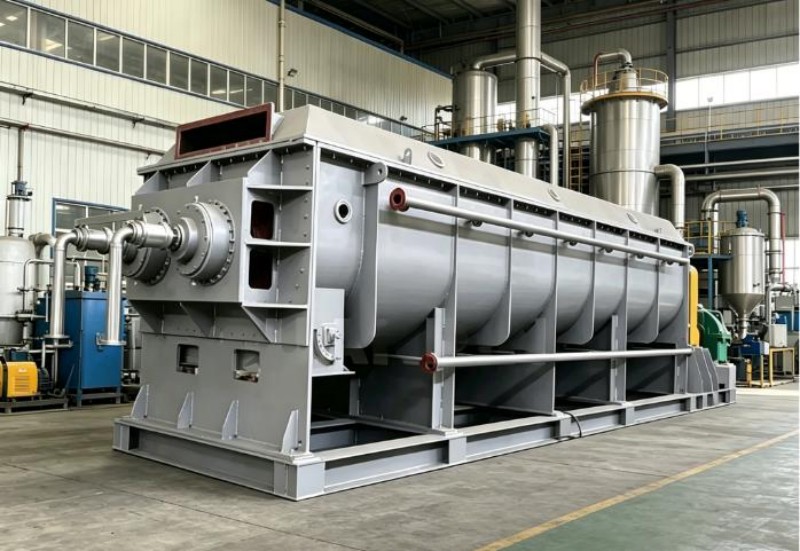
Our vacuum drying equipment serves a wide range of industrial sectors, including new energy, solid waste drying, pharmaceuticals, pesticides, food processing and fine chemicals. With reliable performance and stable quality, our products have won widespread recognition and high praise from global customers across diverse industries.
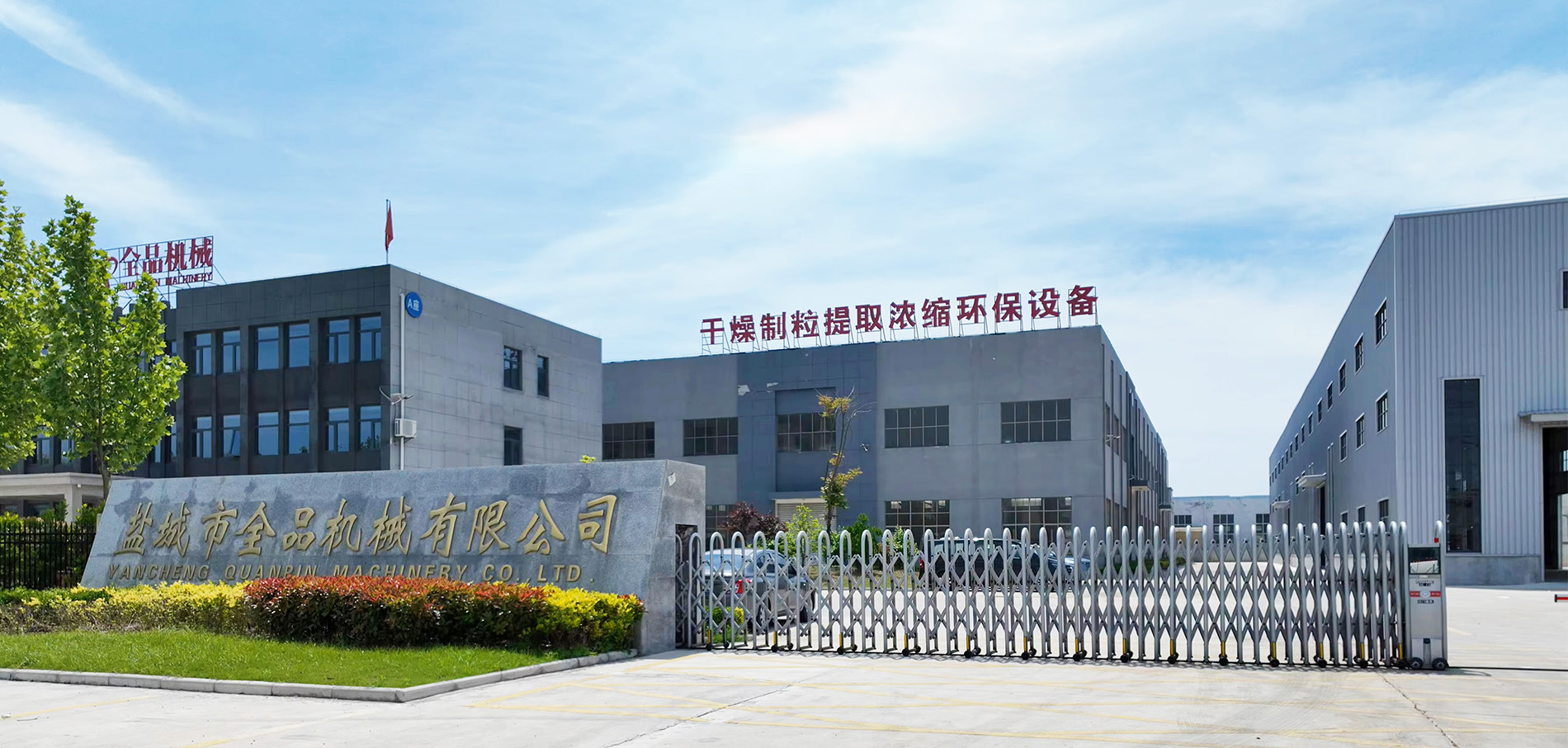
Equipped with a standardized production base covering over 17,000 square meters, the company owns a full set of advanced precision processing equipment, including large-scale fiber laser cutting machines, horizontal lathes, horizontal boring and milling machines, and automatic laser welding machines. Supported by robust manufacturing and processing capabilities, our annual production capacity reaches more than 1,000 sets of low-temperature vacuum drying equipment.
We attach great importance to independent technological research and development. Through sustained technical iteration, equipment upgrading and standardized enterprise management, we have achieved steady and rapid corporate growth. Facing increasingly fierce market competition, Quanpin Machinery has stood out among industry peers by virtue of professional R&D strength, sophisticated manufacturing technology and rigorous management system. Every development breakthrough embodies our forward-looking vision and the enterprise spirit of forging ahead and innovative exploration.
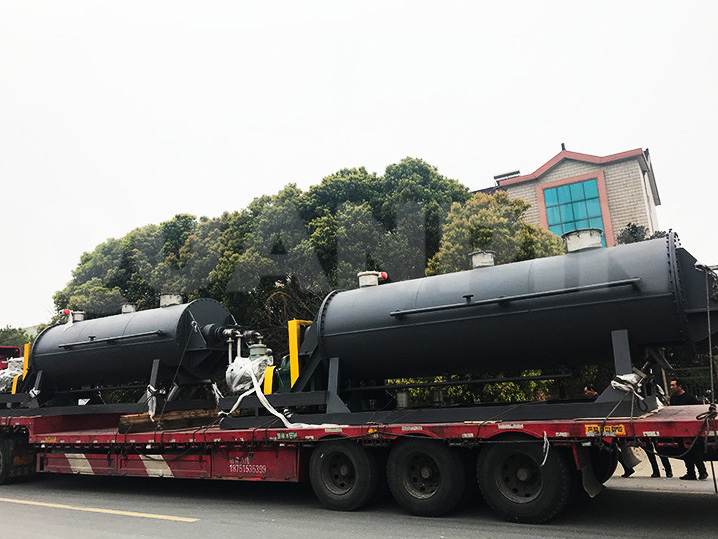
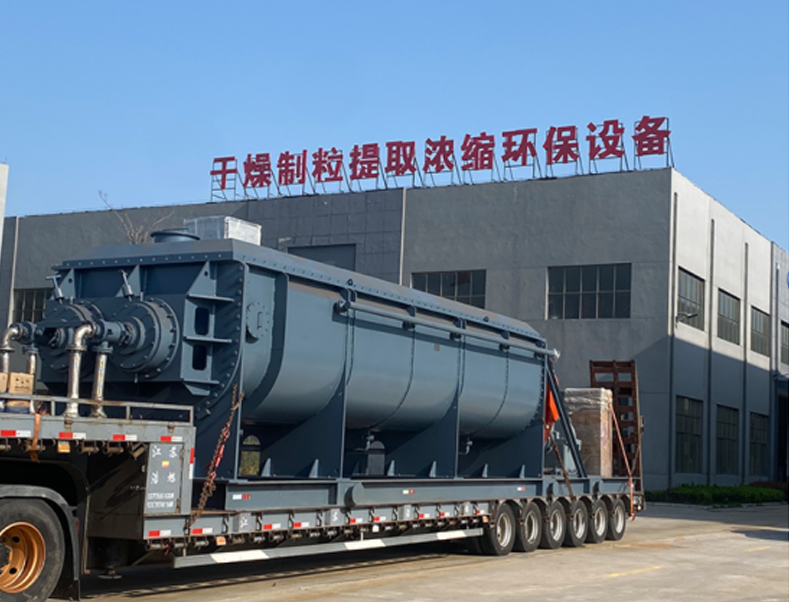
Adhering to the service tenet of precision manufacturing processes and comprehensive after-sales service, we uphold a customer-oriented and responsible business philosophy. We provide one-stop customized solutions covering professional model selection, project planning and detailed quotation. Through in-depth technical discussion, repeated material testing and precise data calculation with customers, we deliver all-round, reliable and personalized technical support for every project.
Guided by the core corporate philosophy of “Ingenious Manufacturing for Premium Vacuum Drying Equipment”, Quanpin Machinery sincerely welcomes new and existing customers at home and abroad for long-term and in-depth cooperation. We will keep pursuing high-quality development with down-to-earth efforts and innovative spirit, and strive to create greater value and win-win prosperity for all partners.


