What is PVC Tarpaulin and How is it Used?
PVC Tarpaulin is a versatile material widely used across various industries. As expert Sarah Harrison states, “PVC tarpaulin is durable and weather-resistant, making it ideal for many applications.” This strong and flexible material is common in manufacturing covers, tents, and protective sheets. It provides an excellent barrier against water, UV rays, and abrasion.
Its usage spans construction sites, transportation, and outdoor events. For instance, many businesses rely on PVC tarpaulin for creating protective structures. However, some might overlook potential environmental impacts. The production and disposal of PVC tarpaulin raise questions about sustainability.
Despite these concerns, its practicality cannot be ignored. PVC tarpaulin remains a go-to choice for contractors and event planners alike. Understanding both its benefits and drawbacks is crucial for making informed decisions. Exploring PVC tarpaulin reveals a complex balance of utility and responsibility.
What is PVC Tarpaulin?
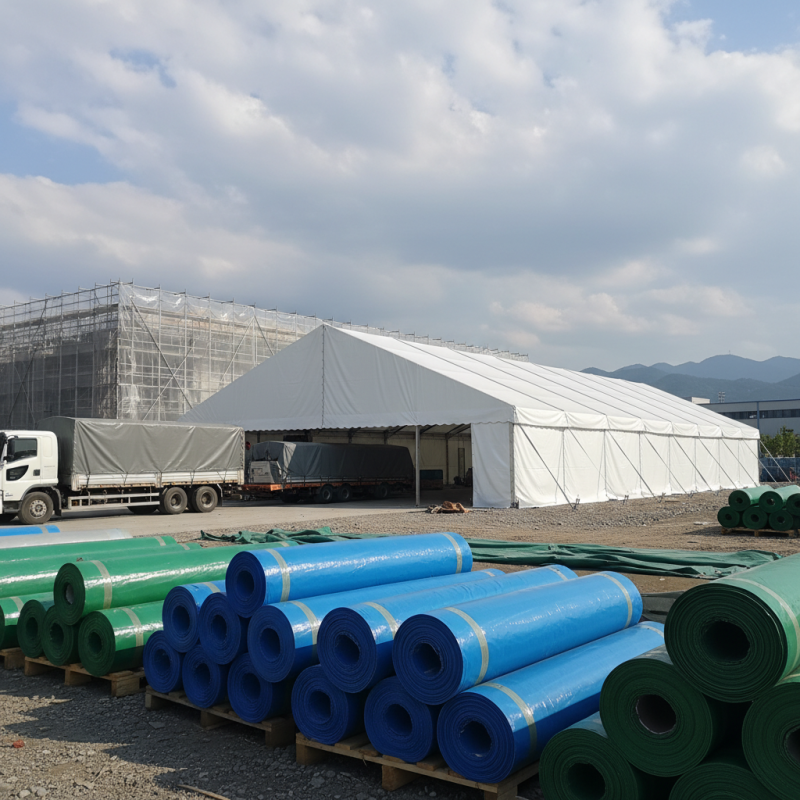
PVC tarpaulin is a strong and flexible material made from polyvinyl chloride. It is coated with a layer of PVC to enhance durability. This kind of tarpaulin is water-resistant, making it ideal for various outdoor applications. It is often used for truck covers, tents, and awnings. The fabric is also UV resistant, which helps prevent fading.
The material's versatility stands out. It can withstand harsh weather conditions, whether it’s rain, sun, or snow. Many artists also use PVC tarpaulin for banners and signs due to its ability to display vibrant colors. However, not all PVC tarpaulin is equal. The thickness and weave can vary, affecting longevity. It’s important to consider specific needs when choosing the right type.
Despite its strengths, some users find it less eco-friendly. One drawback is that PVC tarpaulin can be heavy. This weight sometimes makes it cumbersome to handle. When not stored properly, it can accumulate dirt and mildew. Regular maintenance is necessary to keep it in good shape. Users often overlook this aspect, leading to a shorter lifespan. Understanding these details is crucial for anyone considering PVC tarpaulin for their projects.
The Composition and Properties of PVC Tarpaulin
PVC tarpaulin is a highly versatile material, known for its robust composition and durability. It is made from polyvinyl chloride (PVC), a type of plastic that is both strong and flexible. The reinforcement provided by polyester mesh makes the tarpaulin resistant to tearing and puncturing. According to a report from the Global Tarpaulin Market Analysis, the growth in demand for PVC tarpaulins is primarily driven by their applications in commercial and industrial sectors.
The properties of PVC make it ideal for a variety of uses. It has excellent water resistance, which is essential for outdoor applications. Furthermore, its UV resistance helps retain color and prolong the material's life when exposed to sunlight. Studies suggest that well-manufactured PVC tarpaulins can last for over five years in harsh conditions, but this lifespan can vary greatly depending on maintenance. Unprotected storage can lead to degradation, making proper care crucial.
Some might question the biodegradability of PVC. It is a synthetic material and poses environmental concerns during disposal. Efforts to recycle PVC tarpaulin are still developing, reflecting a gap in sustainability. Users should weigh the benefits of durability against environmental impact when choosing this material. Despite these challenges, PVC tarpaulin remains a preferred choice for many conventional uses.
Common Applications of PVC Tarpaulin in Various Industries
PVC tarpaulin is a versatile material widely used across different industries. Its durability and waterproof properties make it ideal for various applications. In construction, PVC tarpaulin is often utilized to cover scaffolding and protect equipment from rain and debris. According to a report by MarketsandMarkets, the global tarpaulin market is expected to reach $5 billion by 2026, indicating significant growth driven by construction activities.
In the transportation sector, PVC tarpaulin is frequently used in truck covers and cargo protection. It shields goods from harsh weather and prevents dirt and moisture damage. In agriculture, farmers use it for covering silage or creating temporary shelters. The agricultural industry accounts for nearly 25% of PVC tarpaulin consumption globally, showcasing its importance in food protection and preservation.
Though PVC tarpaulin is highly effective, there are challenges. Recycling remains a significant issue, as PVC is not biodegradable. Efforts are ongoing to find sustainable alternatives or enhance recycling processes. Industry stakeholders are urged to address these concerns for a more sustainable future. The focus should balance functionality with environmental responsibility.
Common Applications of PVC Tarpaulin
Advantages of Using PVC Tarpaulin Over Other Materials
PVC tarpaulin offers several advantages over other materials. First, its durability is unmatched. Unlike cotton or other fabrics, PVC is weather-resistant. It can endure harsh sunlight, heavy rain, and strong winds without deteriorating. This makes it a preferred choice for outdoor applications.
Moreover, PVC tarpaulin is easy to clean. A simple wipe with a damp cloth can restore its appearance. Other materials often require cleaning solutions or special treatments. This ease of maintenance saves time and effort. Additionally, PVC tarpaulin is lightweight, making it easier to handle and transport.
Cost-effectiveness is another key benefit. PVC tarpaulin tends to be less expensive than alternatives like canvas. However, it's essential to consider its environmental impact. PVC is not biodegradable, which raises concerns. Heavy use can lead to waste. Overall, while PVC tarpaulin is practical, it's crucial to weigh its benefits against potential downsides.
Maintenance and Care Tips for PVC Tarpaulin Products
PVC tarpaulin is a versatile and durable material. It is often used in various applications such as covers for vehicles, tents, and outdoor furniture. However, proper maintenance is essential to prolong its lifespan and maintain its appearance.
One important tip for caring for PVC tarpaulin products is to clean them regularly. Dirt and grime can accumulate and damage the surface. Use a mild soap mixed with water and a soft cloth or sponge. Rinse thoroughly to avoid residue buildup. Make sure to dry it completely before storing.
Another tip is to avoid sharp objects or abrasive surfaces. These can lead to punctures and tears, compromising the integrity of the tarpaulin. If any damage does occur, consider using a repair kit specifically designed for PVC materials. Regular inspections can help catch small issues before they become significant problems.
Finally, store PVC tarpaulin products in a cool, dry place. Extreme temperatures can lead to degradation. Fold them neatly rather than rolling to minimize creasing. Taking these steps will help maintain the functionality and appearance of your tarpaulin products.
What is PVC Tarpaulin and How is it Used? - Maintenance and Care Tips for PVC Tarpaulin Products
| Dimension | Description | Maintenance Tips |
| Thickness | Typically ranges from 0.3mm to 1.5mm | Regularly check for signs of wear and tear |
| Weight | Varies from 500g/m² to 1000g/m² depending on usage | Clean with mild soap and water to avoid degradation |
| Uses | Commonly used for covers, tarps, and advertising banners | Store in a cool, dry place when not in use |
| Temperature Resistance | Can withstand temperatures from -30°C to 70°C | Avoid prolonged exposure to extreme heat or cold |
| Water Resistance | Highly waterproof, making it ideal for outdoor use | Ensure all seams are well-sealed |





