Essential Precision Machined Parts Tips for Global Buyers?
In the world of manufacturing, sourcing Precision Machined parts is an essential skill for global buyers. Experts emphasize the importance of quality and precision in these components. Mike Anderson, a leading figure in the Precision Machined industry, once stated, "Precision machined parts are the backbone of modern engineering." This reflects the critical role these parts play in numerous applications.
Navigating the global market for precision machined parts can be challenging. Buyers must consider factors like material specifications, tolerances, and lead times. Each decision impacts the overall project. For instance, poor quality can lead to significant delays. Thus, understanding supplier capabilities is vital. It's not just about cost; it's about value.
Buyers often face dilemmas. They may feel overwhelmed by options or misled by unrealistic claims. Transparency from suppliers is essential. A detailed evaluation process helps ensure reliability. Ultimately, informed decisions lead to successful outcomes.
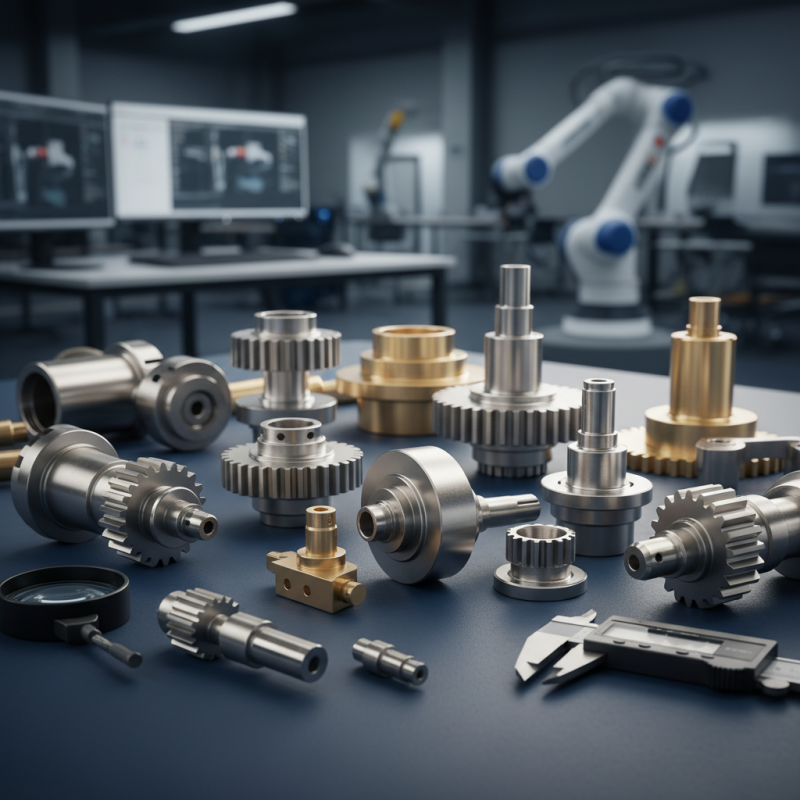
Understanding the Importance of Precision Machined Parts in Global Markets
Precision machined parts play a crucial role in global markets. These components are essential across various industries, including automotive, aerospace, and medical manufacturing. According to a report by MarketsandMarkets, the precision machining market is projected to reach USD 7.5 billion by 2025, reflecting its increasing importance.
Understanding how to choose the right precision machined parts is vital for global buyers. One key tip is to evaluate the supplier’s experience. Look for companies with a proven track record in manufacturing high-quality components. Their expertise often translates into better quality and more reliable products.
Another important consideration is material selection. Different applications require specific materials to withstand various conditions. Research indicates that stainless steel and aluminum are among the most widely used materials preferred for their durability and resistance. Yet, some buyers overlook this and choose based solely on cost, which can lead to subpar performance.
Buyers should also prioritize the inspection processes employed by manufacturers. Proper quality control measures can prevent costly mistakes. Ensure that your suppliers have robust quality assurance systems in place, which can significantly impact the longevity and reliability of the parts.
Key Factors Influencing the Cost of Precision Machined Parts in Manufacturing
Precision machining is crucial in manufacturing. The cost of precision machined parts can vary widely. Understanding key factors helps buyers make informed decisions.
Material selection plays a significant role in pricing. For example, high-grade aluminum is popular due to its lightweight and strength. However, it can be more expensive than standard steel. According to recent industry reports, raw materials can account for up to 50% of the total manufacturing cost.
Labor costs are another critical factor. Skilled labor is necessary for precision machining. Regions with higher wage rates will naturally face increased expenses. An estimated 20% of production costs often go toward labor. Additionally, the complexity of the part influences design time and tooling requirements, affecting the overall price significantly.
Production volume should not be overlooked. Smaller orders may result in higher per-unit costs. Economies of scale can drive prices down for larger quantities. A recent analysis found that order sizes exceeding 1,000 units could reduce costs by up to 30%. These elements highlight the importance of thorough planning and understanding in the buying process.
Essential Precision Machined Parts Tips for Global Buyers
| Factor | Description | Impact on Cost (%) |
| Material Type | Quality and type of materials used affect cost significantly. | 20-30% |
| Manufacturing Process | Different processes (CNC, milling, turning) have varying costs. | 15-25% |
| Quantity Ordered | Higher quantities reduce per-unit costs due to economies of scale. | 10-20% |
| Complexity of Design | Intricate designs require more time and resources, increasing costs. | 25-35% |
| Lead Time | Shorter lead times can lead to increased costs due to urgency. | 5-15% |
| Finishing Processes | Additional treatments (anodizing, plating) add to the cost. | 10-20% |
Material Selection: The Impact on Performance and Durability of Machined Parts
Material selection is critical in the production of precision machined parts. The right material can significantly enhance performance and durability. Common materials include aluminum, stainless steel, and brass. Each offers unique properties. For example, aluminum is lightweight, while stainless steel provides excellent corrosion resistance.
Designers must weigh the pros and cons of each option. Cost can be a determining factor. Some materials may be cheaper but result in reduced lifespan. This could lead to increased replacement costs over time. In some cases, users overlook the long-term implications of their choices.
Additionally, not all materials are suited for every application. High-stress environments require robust materials. Failing to choose appropriately can lead to premature failure. This reflection often reveals miscalculations in initial selections. Ensuring that machine parts are both durable and effective begins with informed material choices.
Quality Standards: ISO Classifications for Precision Machined Components
When sourcing precision machined components globally, quality standards matter significantly. ISO classifications play a crucial role in this process. The International Organization for Standardization (ISO) outlines criteria that help ensure components meet specific quality, reliability, and safety requirements.
ISO 9001 focuses on quality management systems. Companies with this certification demonstrate effective management practices. It emphasizes continuous improvement and customer satisfaction. Recent reports indicate that organizations with ISO 9001 certification experience a 20% increase in operational efficiency. Additionally, ISO 13485 targets medical devices, ensuring products meet rigorous safety standards. This classification assures buyers that components are consistently manufactured to high-quality specifications.
Precision machining involves various processes, including turning, milling, and grinding. Each method requires strict adherence to ISO standards. Despite these standards, disparities in quality can occur. Some manufacturers may overlook certifications to cut costs. This creates challenges for buyers. Asking for documentation and conducting audits can mitigate risks. Effective communication about standards can also enhance partnership quality. It's important to remain vigilant when selecting suppliers to ensure adherence to these essential quality benchmarks.
Trends in Global Sourcing: Advances in Technology and Supplier Relationships
Global sourcing is evolving rapidly, driven by technological advancements and changing supplier dynamics. Innovations in automation and data analytics are enhancing efficiency. These tools allow companies to track their supply chains seamlessly. They also facilitate better decision-making based on real-time data. However, relying solely on technology can be limiting.
Building strong supplier relationships remains crucial. Trust and communication between buyers and suppliers foster collaboration. Regular meetings and open dialogues can uncover challenges. They also help in adapting to rapid changes in the market. Some companies overlook this vital aspect. The result? Missed opportunities for improvement and adaptation.
Emotional intelligence is also essential in these relationships. Understanding cultural differences can aid in negotiations. Companies sometimes underestimate the importance of empathy in business dealings. A balanced approach that combines technology with a human touch can lead to better outcomes. Sourcing strategies are not just about cost savings; they are also about building a network of reliable partners.





