What is Precision CNC Machining and Why is it Important?
Precision CNC Machining is a vital aspect of modern manufacturing. It allows for the creation of intricate parts with high accuracy. According to the International Federation of Robotics, the global CNC machinery market is projected to reach $100 billion by 2025. This growth indicates the increasing demand for precision manufacturing techniques.
Expert John Smith, a leader in CNC technology, emphasizes, “Precision CNC Machining is the backbone of many industries today.” His perspective highlights the importance of this technique in sectors like aerospace, medical devices, and automotive manufacturing. The ability to produce parts that meet stringent tolerances is crucial for safety and performance.
Despite its advantages, Precision CNC Machining faces challenges. The need for skilled operators is increasing, yet the workforce is shrinking. Additionally, the high cost of machinery can be a barrier for small businesses. This imbalance raises questions about the future of the industry and its accessibility. Overall, understanding these dynamics is essential for anyone involved in manufacturing.
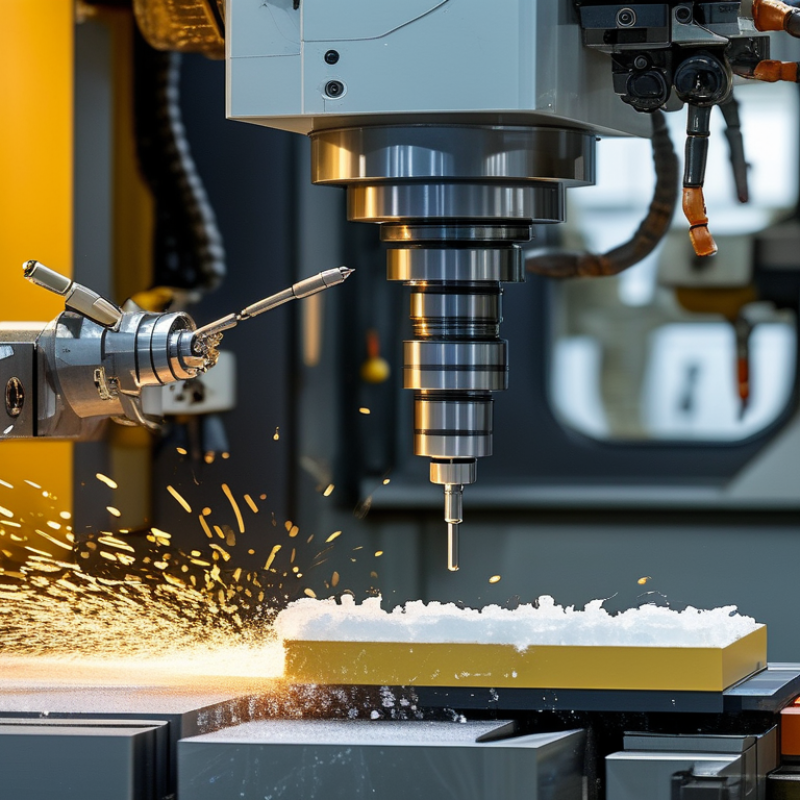
What is Precision CNC Machining?
Precision CNC machining is a highly advanced method of manufacturing. It utilizes computer numerical control to achieve extremely accurate and repeatable results. This process is essential in various industries, including aerospace, automotive, and medical equipment. With precision machining, complex designs can be created from various materials, such as metals and plastics.
The core of precision CNC machining lies in its ability to produce detailed components with minimal error. The machines follow exact specifications set by CAD (Computer-Aided Design) files. However, human oversight is still necessary. Operators must routinely check for calibration and tool wear. Any lapses can lead to significant issues in production quality.
Moreover, while the accuracy is often impressive, it's worth noting that unexpected errors can occur. Even advanced machines may produce defects if programming or material inconsistencies arise. Therefore, continuous monitoring and adjustments are crucial. Precision CNC machining presents a blend of technology and craftsmanship, making it a vital aspect of modern manufacturing.
What is Precision CNC Machining and Why is it Important?
| Aspect | Description | Importance |
| Definition | Precision CNC machining is a manufacturing process that utilizes computer-controlled machines to produce high-tolerance components. | Ensures high levels of accuracy and consistency in production. |
| Materials Used | Aluminum, Stainless Steel, Plastics, Titanium and more. | Enables various industries to manufacture complex parts with different material properties. |
| Applications | Aerospace, Medical Devices, Automotive, Electronics. | Allows for innovative designs and precise components critical in high-stake applications. |
| Benefits | High precision, reduced waste, faster production times. | Increases efficiency and cost-effectiveness in manufacturing processes. |
| Challenges | Initial setup costs, need for skilled operators. | Requires investment but significantly enhances production quality and capability. |
The Process of Precision CNC Machining Explained
Precision CNC machining is a highly sophisticated process that utilizes computer numerical control technology. It involves the use of programmed commands to manipulate tools and machinery. This process is crucial for achieving high accuracy in manufacturing.
During precision CNC machining, various materials such as metal, plastic, and composites are shaped into desired forms. The machining process includes several key stages: planning, programming, and execution. Data from the National Institute of Standards and Technology shows that precision machining can reach tolerances as tight as ±0.001 inches. This level of precision is essential in industries like aerospace, automotive, and medical devices.
Tips: Always double-check your CAD designs before programming. A small error can lead to significant losses in material and time.
Additionally, the choice of tooling significantly impacts the machining process. High-speed steel tools can wear down quickly, while carbide tools offer longer life. Balancing cost and performance is vital in tool selection. However, many companies overlook this detail, resulting in increased production costs over time.
Tips: Invest in quality tools. Consider the long-term savings from reduced replacement frequency.
Precision CNC machining represents both a challenge and an opportunity in manufacturing. The process requires consistent monitoring and adjustments, especially when dealing with intricate designs. Keeping the machinery in optimal condition is critical to maintain efficiency and quality.
Key Technologies Used in CNC Machining
CNC machining is a vital aspect of manufacturing, utilizing advanced technologies to enhance precision and efficiency. The key technologies employed in CNC machining include Computer-Aided Design (CAD), Computer-Aided Manufacturing (CAM), and various automation software. According to a report by the International Federation of Robotics, the global market for CNC machines is projected to reach $100 billion by 2025, highlighting its significance.
CAD software allows engineers to create precise designs before physical machining. It reduces errors and optimizes production time. CAM software translates these designs into machine instructions. Automation technologies streamline this process, ensuring faster and more accurate outputs.
Tips: Investing in training for operators can improve the understanding of these technologies. Regular software updates can enhance capabilities. Balancing automation with skilled labor remains essential. Although technology has evolved, human oversight is crucial. Some complexities cannot be fully managed by machines alone.
Each technology has its challenges. For instance, while CAD systems boost design precision, they also require significant training. Operators may struggle with complex software initially. Adopting new technologies can lead to a learning curve that affects productivity. Recognizing these areas for improvement is essential for long-term success in precision CNC machining.
Applications of Precision CNC Machining in Various Industries
Precision CNC machining plays a critical role across numerous industries. Its applications range from aerospace to medical devices. In aerospace, components must meet strict specifications. A small deviation can jeopardize safety. Precision machining ensures that parts fit together perfectly, enhancing the overall reliability of aircraft.
In the medical field, precision is paramount. Surgical instruments require exact dimensions for effective use. CNC machining allows for highly detailed and intricate designs. This technology aids in creating implants that improve patient outcomes. However, the process is not without challenges. Maintaining consistency is key but can be difficult due to wear and tear on machines.
The automotive industry benefits from precision machining as well. Parts like engine components and transmission systems need impeccable accuracy. Any flaws can lead to significant performance issues. Continuous monitoring and recalibration of CNC machines are essential. This area still struggles with human oversight. Even minor errors can escalate when mass-producing components.
The Importance of Precision in CNC Machining for Quality Control
Precision in CNC machining significantly impacts quality control in manufacturing processes. According to a report from the National Institute of Standards and Technology, precision machining can reduce production errors by up to 30%. This reduction directly correlates with improved efficiency and lower costs for companies. Small deviations in measurements can lead to major flaws, affecting both product performance and customer satisfaction.
Furthermore, precision plays a vital role in industries such as aerospace and medical devices. For example, parts in these sectors often require tolerances of up to ±0.001 inches. When manufacturers prioritize precision, they enhance the reliability of their products. In contrast, neglecting precise machining can result in recalls and expensive repairs.
Companies must continuously assess their machining processes. Regular audits can reveal gaps in quality assurance. This reflection allows manufacturers to innovate and refine their techniques. With ongoing advancements in technology, the importance of precision in CNC machining will only grow, ensuring that businesses remain competitive in a demanding market.





