What is Precision Casting Molds and How They Benefit Your Business?
Precision Casting Molds play a crucial role in various manufacturing industries. They are designed to create precise, intricate shapes with minimal waste. According to Dr. Emily Chen, an expert in precision engineering, "The efficiency of Precision Casting Molds can significantly enhance product quality and reduce production costs." This statement highlights the importance of these molds in today’s competitive market.
These molds use advanced techniques that allow for improved accuracy and consistency in production. However, many businesses may overlook the need for investment in high-quality molds. There’s a learning curve involved, and not all companies fully grasp the potential benefits. Investing in Precision Casting Molds can lead to long-term advantages, but it requires thoughtful consideration.
Organizations should evaluate their processes and recognize areas where Precision Casting Molds can make a difference. Changes may not yield immediate results, but gradual improvements can lead to considerable gains. Embracing innovation in molding techniques invites a new level of precision and efficiency. The journey toward better manufacturing practices begins with understanding these vital tools.
What is Precision Casting and Its Role in Manufacturing Processes
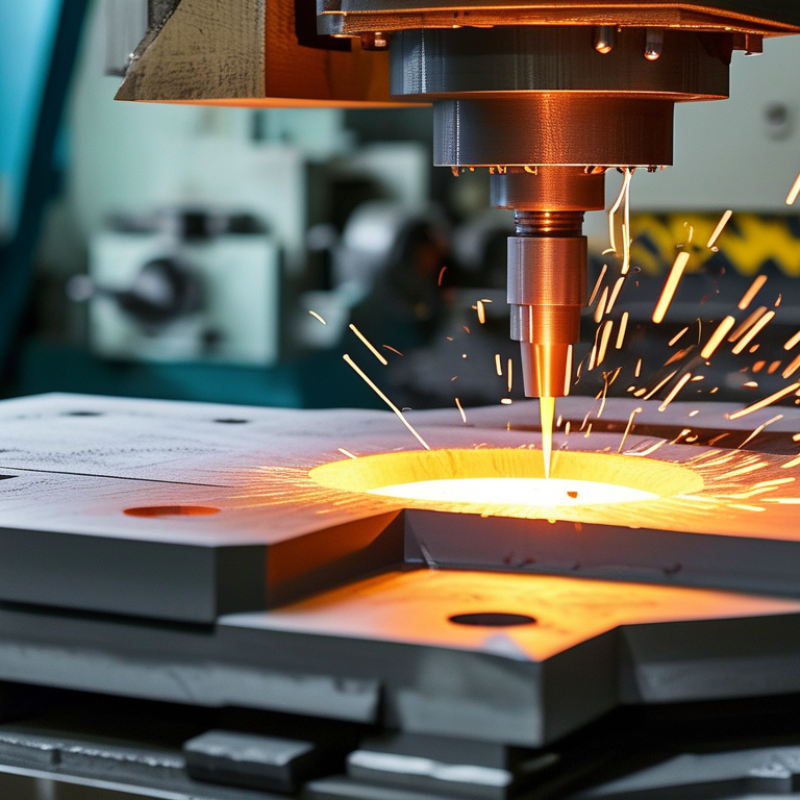
Precision casting plays a crucial role in modern manufacturing. This method offers accurate and detailed shapes that traditional techniques cannot achieve. By utilizing precision casting molds, manufacturers can create complex components with high dimensional accuracy. This capability is vital for industries requiring intricate designs, such as aerospace and automotive.
The benefits of precision casting include reduced material waste and shorter production times. With precise molds, businesses can minimize the excess material that typically results from machining processes. This efficiency not only lowers costs but also lessens the environmental impact associated with manufacturing. However, the initial setup costs for precision casting can be significant. Companies must weigh these costs against the long-term savings.
In addition to cost considerations, precision casting requires careful planning and design expertise. Engineers must ensure that the mold design caters to the specific requirements of the final product. There is often room for improvement in mold design, which can lead to enhanced performance and lower defects. Reflection on past projects may reveal areas where slight modifications could yield better results.
What is Precision Casting Molds and How They Benefit Your Business?
| Dimension | Description | Benefit |
| Precision | High accuracy in reproduction of designs. | Reduces material waste and enhances product quality. |
| Material Variety | Allows use of different metals and alloys. | Expand product range and meet diverse customer needs. |
| Cost Efficiency | Reduced labor and process time. | Lower production costs, increasing profit margins. |
| Complex Shapes | Ability to create intricate designs. | Enhances design capabilities for advanced products. |
| Scalability | Suitable for both small and large production runs. | Adapts to varying market demands efficiently. |
The Advantages of Using Precision Casting Molds in Production
Precision casting molds play a vital role in modern manufacturing. These molds ensure that complex shapes are created with high accuracy. This results in products that fit together perfectly. The consistent quality they provide can improve production efficiency significantly.
Using precision casting molds brings several advantages to businesses. They reduce material waste by allowing for thinner walls in designs, making them cost-effective. These molds also shorten lead times, which speeds up production cycles. However, the initial investment can be high, which may concern some companies. Long-term benefits often outweigh these costs.
Another key point is the versatility of precision casting molds. They can handle various materials, including metals and polymers. This flexibility facilitates innovation in product design. Yet, some businesses may need time to adapt their processes. Embracing new techniques often involves a learning curve. These factors warrant careful consideration before transitioning to precision casting molds.
Key Industries Benefiting from Precision Casting Technology
Precision casting technology is transforming various key industries by offering enhanced manufacturing processes. Industries such as aerospace, automotive, and medical rely heavily on precision casting molds. These molds allow for the creation of complex parts with high accuracy. As a result, businesses can produce components that meet stringent quality standards with less material waste.
In aerospace, precision casting ensures lightweight yet strong components for aircraft. The automotive industry benefits from reduced lead times and improved part quality. Medical devices also see advancements due to precision molds, allowing for intricate designs that enhance functionality. However, the transition to precision casting isn't without its challenges. Some businesses may struggle with the initial investment and skill requirements. Adapting to new technology can also be a hurdle for established manufacturers.
Understanding the unique needs of each industry is crucial for success. Knowledge and experience in specific applications can drive better outcomes. Overall, leveraging precision casting can lead to significant improvements, yet it requires careful consideration and planning.
Statistical Insights: Cost Savings and Efficiency of Precision Casting
Precision casting molds have transformed manufacturing, offering significant cost savings and efficiency. According to industry studies, precision casting can reduce production costs by up to 20% when compared to traditional methods. These molds ensure tighter tolerances, reducing waste and material usage. Reports indicate that manufacturers can save thousands on raw materials alone.
Moreover, the efficiency of precision casting molds is evident in their ability to produce complex shapes with minimal finishing. Industry data shows that precision casting can cut lead times by as much as 30%. This speed in production allows businesses to respond swiftly to market demands.
However, the initial investment in quality molds can be daunting. Another consideration is long-term durability. Molds require maintenance and may wear over time, affecting output quality. Companies must weigh the cost of initial setup against potential savings.
Despite these challenges, the high level of accuracy and efficiency makes precision casting molds an attractive option for many industries. The balance between cost and quality remains a pivotal point for manufacturers.
Future Trends in Precision Casting: Innovations and Market Growth
The precision casting industry is experiencing transformative changes. Innovations in technology are reshaping production processes. New materials are improving the quality of cast products. These advancements lead to better performance and durability. Businesses are eager to adapt to these developments to stay competitive.
Market growth is evident as industries, including automotive and aerospace, demand higher precision. The use of 3D printing in mold creation has started to gain traction. It allows for complex geometries that traditional methods struggle to achieve. This trend results in reduced waste and lower costs.
Sustainability is becoming a priority. Companies are focusing on eco-friendly materials and processes. It's crucial to balance innovation with environmental responsibility. However, challenges remain. Not all businesses can easily transition to new techniques. Adaptation requires investment and training. Continuing to foster a culture of innovation is essential for long-term success.





