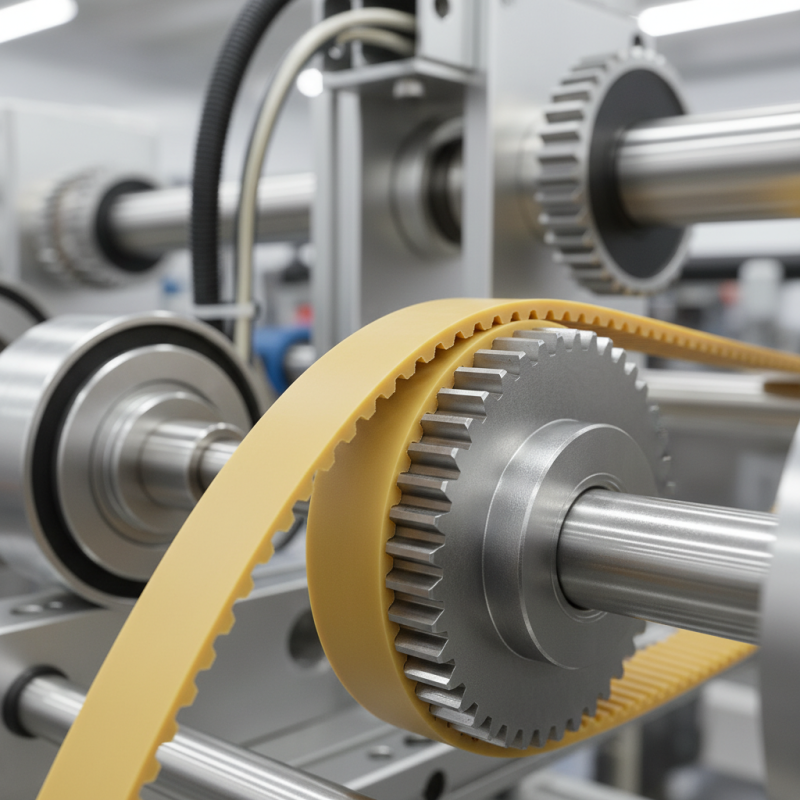
What is Polyurethane Timing Belts and Their Benefits?
Polyurethane Timing Belts have become essential in various industries, providing reliability and efficiency. Renowned expert Dr. Emily Chen states, "These belts enhance performance while reducing maintenance needs." This highlights their importance in modern machinery.
The unique properties of Polyurethane Timing Belts make them stand out. They offer superior wear resistance and flexibility compared to traditional rubber belts. These belts ensure precise timing, which is critical in applications requiring accuracy.
Implementing Polyurethane Timing Belts could lead to improved productivity. However, not all industries utilize them fully. Some companies hesitate to transition from their conventional systems. Assessing the benefits versus existing practices is crucial for making informed decisions.
What Are Polyurethane Timing Belts?
Polyurethane timing belts are essential components in various machinery. They serve to transmit power efficiently while ensuring precise timing and synchronization of moving parts. Unlike traditional rubber belts, polyurethane belts offer superior strength and durability. They withstand harsh environmental conditions better than their counterparts. This increased resistance helps reduce maintenance needs over time.
These belts are often chosen for their flexibility and lightweight nature. This allows them to fit into compact spaces where traditional belts may struggle. The advantages of polyurethane timing belts also include resistance to abrasion and chemicals. Their longevity can lead to fewer replacements and reduced downtime. However, it's crucial to assess whether this type of belt fits your specific application.
Despite their benefits, not every situation may suit polyurethane belts perfectly. There can be a potential for stretching over time, which may cause timing issues. Evaluating the environment where the belt will be used is essential. Consider the load, speed, and frequency of use. Each variable can influence the effectiveness of the belt. Making the right decision requires careful thought and observation.
What is Polyurethane Timing Belts and Their Benefits?
| Feature | Description | Benefits |
| Material | Made from high-quality polyurethane | Durability and resilience against wear |
| Weight | Lightweight compared to rubber belts | Improved efficiency in machinery |
| Temperature Resistance | Can withstand a wide range of temperatures | Stable performance in extreme conditions |
| Chemical Resistance | Resistant to oils, greases, and other chemicals | Longer lifespan in various environments |
| Noise Level | Operates quietly compared to traditional belts | Reduced noise pollution in workspaces |
| Flexibility | Highly flexible and can handle dynamic loads | Versatile application in different machines |
Composition and Structure of Polyurethane Timing Belts
Polyurethane timing belts are engineered specifically for high-performance applications. Their unique composition often includes a blend of polyether or polyester elastomers. This combination ensures flexibility and durability. The timing belts typically consist of a tooth profile and reinforcement layer. The reinforcement, often made of steel or fiberglass, enhances tensile strength, allowing the belt to withstand heavy loads.
Research indicates that polyurethane timing belts can last up to three times longer than traditional rubber belts. The ultra-strong materials used in their production resist wear and fatigue. However, they also can become brittle over time if exposed to extreme temperatures or harsh chemicals. This brittleness is a significant consideration for industries relying on consistent performance.
The internal structure of these belts combines multiple layers. Each layer serves a specific purpose, whether it be to provide support or enhance flexibility. The design can be intricate, which sometimes complicates manufacturing. It reflects the balance between performance and practicality. While the advantages are clear, the production process can pose challenges. It raises questions about cost-effectiveness for manufacturers looking to optimize their resources.
Key Advantages of Using Polyurethane Timing Belts
Polyurethane timing belts have become increasingly popular in various industrial applications. They are made from a durable material that stands out for its flexibility and strength. One notable advantage is their resistance to wear and tear. Unlike other belts, polyurethane can withstand high-stress environments without losing performance. This longevity can lead to reduced maintenance costs.
Another key benefit is their ability to operate in extreme temperatures. Polyurethane timing belts perform well in both hot and cold conditions. This feature is crucial for industries such as automotive and aerospace, where reliability is essential. Also, these belts are often quieter than traditional rubber belts. This can create a more pleasant working environment.
However, there are still concerns to consider. Polyurethane timing belts can sometimes be more expensive upfront. Not every application may justify this cost. Further, if not installed properly, they might not perform to their full potential. Users must be aware of these factors. They should invest time in understanding the specific requirements of their systems. Ensuring proper fit and maintenance is key to maximizing the benefits of polyurethane timing belts.
Applications of Polyurethane Timing Belts in Various Industries
Polyurethane timing belts have diverse applications across various industries due to their unique properties. These belts are known for their durability, flexibility, and resistance to wear. In automotive manufacturing, polyurethane timing belts ensure precise engine timing. This precision is critical in maintaining engine performance and efficiency.
In the food processing industry, these belts are favored for their hygienic properties. They can withstand frequent cleaning without degrading. A report by the International Food Safety Organization indicates that materials resistant to microbial growth are becoming increasingly essential in food production. This demand provides an advantage for polyurethane belts, which meet strict safety standards.
In the manufacturing sector, precision matters. Polyurethane timing belts effectively transmit power in various machinery, enhancing productivity. According to a market research report, the demand for timing belts is projected to grow by 5.3% annually through 2028. This growth highlights the importance of selecting the right materials for reliable operation.
Tips: Consider the working environment when choosing timing belts. Extreme temperatures or chemical exposure can impact belt performance. Regular monitoring and maintenance are crucial for extending lifespan. Make an informed choice to ensure optimal efficiency in your application.
Maintenance and Longevity of Polyurethane Timing Belts
Polyurethane timing belts are critical components in various mechanical systems. They offer a variety of benefits, particularly in maintenance and longevity. The durability of polyurethane allows these belts to withstand harsh working conditions, extending their service life significantly. According to industry reports, polyurethane belts can last up to 50% longer than traditional rubber belts under the same operating conditions.
Exceptional maintenance practices are essential. Regular inspections can help identify wear or damage early. Timing belts should be checked for correct tension and alignment. Small issues, if not addressed, may lead to bigger failures. Keeping belts clean from debris also contributes to their longevity.
Tips: Consider using a dust cover to prevent debris accumulation. Maintaining optimal operating temperatures can further enhance belt performance. Regular replacement of tensioners and pulleys is vital for efficiency. Remember, a proactive approach to maintenance can save time and money over the long term.