What is Polyurethane Screen Mesh and its Applications?
Polyurethane Screen Mesh has gained significant attention in various industrial applications due to its unique properties. Dr. Emily Carter, a leading expert in polymer materials, emphasizes that "Polyurethane Screen Mesh combines durability with flexibility, making it ideal for screening processes." This innovative material offers both high abrasion resistance and optimal screening efficiency.
Industries such as mining, agriculture, and waste management have found extensive uses for Polyurethane Screen Mesh. Its advanced design improves both productivity and cost-effectiveness. For instance, the mesh's fine openings allow for better separation of materials, which enhances the overall process. However, some users may struggle with selecting the right specifications for their needs.
As industries evolve, the demand for Polyurethane Screen Mesh continues to rise. Companies often face challenges in understanding the best applications and limitations of this material. Addressing these questions will be crucial for maximizing its benefits and improving operational efficiency.
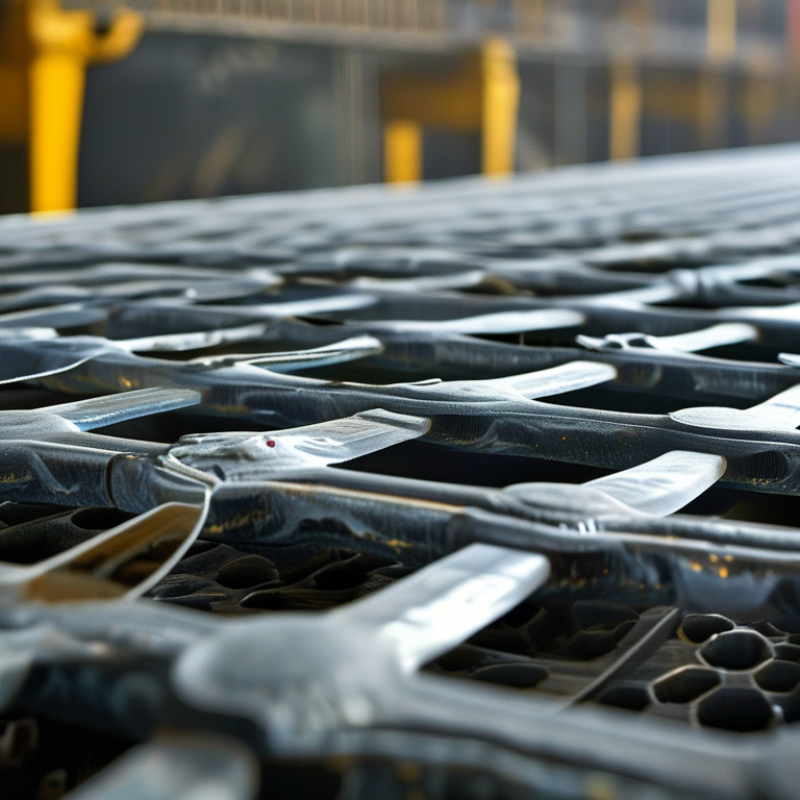
What is Polyurethane Screen Mesh?
Polyurethane screen mesh is a specialized material widely used in various industrial applications. This mesh is made from polyurethane, which provides superior durability and flexibility compared to traditional wire mesh. According to industry reports, polyurethane screens can last up to three times longer than metallic alternatives. This material is resistant to wear and tear, making it ideal for handling abrasive materials.
In aggregate and mining industries, polyurethane screen mesh is crucial. It allows for efficient separation of materials while maintaining structural integrity. The fine openings in the mesh ensure optimal screening accuracy. A recent study indicated that using polyurethane screens can improve throughput by nearly 20%. Such enhancements significantly impact productivity and operational efficiency.
Tips: Ensure proper installation to maximize the lifespan of your polyurethane screens. Regular maintenance is key to prevent clogging and degradation. It's worth noting that while polyurethane offers many benefits, it may not be suitable for all applications. Always assess specific operational needs before making a decision.
Key Properties of Polyurethane Screen Mesh
Polyurethane screen mesh is known for its unique properties that make it suitable for various applications. One key property is its flexibility. This flexibility allows it to adapt to different shapes and surfaces. It can easily accommodate changes in pressure and reduce breakage during operation. That is crucial in industries with heavy equipment.
Another important property is its resistance to abrasion. Polyurethane screen mesh can withstand harsh materials without wearing down. This durability is essential for industries like mining and construction, where rugged conditions are the norm. Additionally, this material is chemically resistant. It can handle various substances, including oils and acids, without degrading. However, it is vital to understand how these factors play a role in choosing the right mesh for specific tasks.
The mesh's lightweight design is another practical benefit. It simplifies installation and maintenance tasks. However, one must consider its load-bearing capacity; using it inappropriately may lead to problems. Being aware of both strengths and limitations can improve the longevity of the screen mesh. Proper usage is key to maximizing its potential in diverse applications.
Common Applications in Mining and Quarrying
Polyurethane screen mesh serves a crucial role in the mining and quarrying industries. Its durable and flexible design enhances the efficiency of material handling. According to industry reports, over 60% of mining operations now utilize polyurethane for screening applications, thanks to its superior wear resistance. This material reduces downtime, leading to increased productivity.
In mining, polyurethane screen mesh is vital for sieving various ores and aggregates. The mesh enhances separation efficiency, especially in wet processes. However, some users report issues with mesh clogging when handling sticky materials. Addressing this challenge requires ongoing research into improving design features.
The quarrying sector also benefits significantly from polyurethane screen mesh. Reports indicate that operators can achieve a 25% increase in throughput with these screens compared to traditional options. Yet, adapting to different material types can be complex. Operators must carefully monitor performance and make adjustments. Balancing versatility and specific operational conditions remains an area for improvement.
What is Polyurethane Screen Mesh and its Applications? - Common Applications in Mining and Quarrying
| Application Area | Description | Mesh Size (mm) | Material Properties |
| Mining | Used for screening ores and minerals to ensure efficient material separation. | 2.0 - 20.0 | High abrasion resistance, flexible, and durable. |
| Quarrying | Effective for crushing and screening of stone materials. | 5.0 - 30.0 | Resistant to heavy loads and impact. |
| Recycling | Separation of recyclable materials like plastics and metal. | 1.0 - 15.0 | Chemical resistance and lightweight. |
| Sand and Gravel | Screening to produce sand of appropriate sizes. | 3.0 - 25.0 | Excellent wear resistance and longevity. |
Advantages Over Traditional Screening Materials
Polyurethane screen mesh offers several key advantages over traditional screening materials. Its unique composition makes it more flexible and durable. Unlike metal screens, polyurethane is resistant to wear and tear, extending its lifespan significantly. This durability translates to lower maintenance costs and reduced downtime in industrial operations.
When it comes to efficiency, polyurethane screen mesh shines. It allows for superior particle separation and is available in various aperture sizes. This versatility makes it suitable for many applications, ranging from mining to wastewater treatment. The mesh can also withstand harsh environments without degrading, which is a common issue with traditional materials.
**Tip:** Regularly inspect the mesh for any signs of wear. This can help prevent sudden failures in your screening process.
In addition to its practicality, polyurethane is lightweight. This feature simplifies installation and replacement tasks. However, it's essential to consider specific operational demands before switching materials. Not every situation calls for polyurethane; if high heat or extreme chemicals are involved, traditional materials may still be more suitable.
**Tip:** Assess your screening needs thoroughly. Sometimes, a hybrid approach using both materials can yield the best results.
Maintenance and Care for Polyurethane Screen Mesh
Polyurethane screen mesh is known for its durability and versatility across various industries. Proper maintenance is crucial to extend its lifespan and ensure optimal performance. Regularly inspect the mesh for signs of wear and tear. Look for abrasions or holes that could affect its efficiency. Cleaning the mesh with water can remove accumulated dust or debris. A soft brush may help dislodge stubborn particles without causing damage.
Periodic checks on the installation area are important too. Ensure that the frame and fittings are secure. Any misalignment can create unnecessary stress on the mesh, leading to premature failures. Additionally, avoid using harsh chemicals during cleaning. These can degrade the polyurethane material over time. It's wise to document any maintenance performed. This record can provide insights into when and how often the mesh needs attention in the future.
It's easy to overlook these details in a busy operational setting. Some might not realize that neglecting maintenance leads to higher replacement costs later. Addressing these aspects can significantly improve the overall performance and reliability of the polyurethane screen mesh. Investing time in care will ultimately pay off in longevity and effectiveness.





