What is Pocket Filter Media and How Does It Work?
pocket filter media plays a crucial role in air filtration systems. It helps remove airborne particles effectively. Dr. Emily Carter, an expert in environmental engineering, once stated, "Pocket filter media is vital for maintaining indoor air quality." This underscores its importance in various settings like homes and workplaces.
The design of pocket filter media allows for a high dust-holding capacity. Its pleated structure increases surface area, capturing more contaminants. Anyone using such filters notices their efficiency, especially in preventing dust and allergens from circulating. They are also more compact compared to traditional filters.
However, not all pocket filter media are equal. The quality and material can considerably affect performance. Some users may find their filters clogging faster than expected. This highlights the need for careful selection and regular maintenance. Understanding these nuances can significantly enhance the benefits of pocket filter media.
What is Pocket Filter Media?
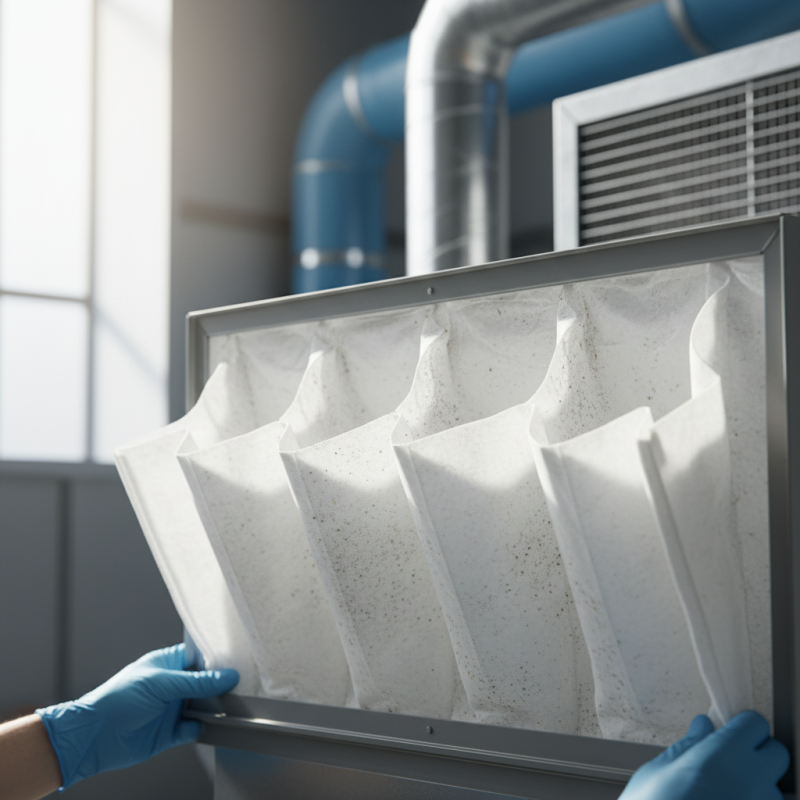
Pocket filter media is an essential component in air filtration systems used in various settings. It consists of multiple folds of filter material that create pockets, allowing for increased surface area. This design enhances its ability to trap dust, allergens, and other particulate matter effectively. Pocket filters are widely used in HVAC systems, ensuring cleaner air for both residential and commercial environments.
Choosing the right pocket filter media depends on specific needs. It’s important to consider factors like airflow requirements and the types of contaminants present. Filters with higher efficiency ratings can capture smaller particles but may restrict airflow, causing the system to work harder. This is a balance that needs careful reflection.
Tips: Regular maintenance is crucial. Inspect filters frequently and replace them as needed. Dirty filters can cause inefficiencies. Also, take note of the air quality in your space. If contaminants rise, it may signal the need for a more robust filtration solution. Always seek a fit that aligns with your environmental goals and budget.
Components of Pocket Filter Media
Pocket filter media is essential for effective air filtration. The key components include a filter frame, filter media, and sealing materials. The filter frame provides structural support. It is usually made from metal or plastic, ensuring the filter maintains its shape.
The filter media itself can be made from a variety of materials. Common choices include synthetic fibers and fiberglass. These materials trap particles effectively. Their design allows for a large surface area, which improves airflow. However, not all materials are created equal. Some may wear out quickly, which could lead to reduced efficiency.
Sealing materials are also crucial. They ensure a tight fit within the casing. If the seal is poor, unfiltered air can bypass the media. This can result in lower air quality. Often, these components are taken for granted. Their imperfections can lead to bigger issues down the line. Regular inspections and maintenance can help identify any potential failures.
How Pocket Filter Media Functions
Pocket filter media is essential in various air filtration systems. It is designed to capture airborne particles and improve air quality. The construction of pocket filters allows them to have a large surface area. This increases the efficiency of capturing dust, pollen, and other contaminants. The media is typically folded into pockets, hence the name. This design optimizes airflow while maintaining a high filtration capacity.
In operation, air enters the pocket filter through the inlet side. As air flows through the media, particles become trapped within the pockets. The design ensures that the airflow is uniform, enhancing filtration effectiveness. However, over time, these filters can become clogged. When this happens, the efficiency decreases, and resistance to airflow increases. Regular maintenance is crucial to prevent this issue.
Choosing the right pocket filter media can have a significant impact on performance. Different materials and designs cater to specific needs. It's vital to reflect on the filtration requirements before selecting a filter. Decision-making in this area may not always be straightforward. Understanding the nuances of pocket filter media remains critical for optimal air quality.
What is Pocket Filter Media and How Does It Work?
| Dimension | Description |
| Material | Typically made from synthetic fibers or woven fabrics. |
| Filtration Efficiency | Ranges from 40% to 99.99% depending on the design and application. |
| Airflow Resistance | Low to moderate resistance allowing efficient air passage. |
| Size Range | Available in various sizes to fit different filter frames. |
| Common Applications | Used in HVAC systems, clean rooms, and industrial processes. |
| Lifespan | Typically lasts between 6 months to 2 years based on usage. |
| Maintenance | Regular checks and replacements needed for optimal performance. |
Benefits of Using Pocket Filter Media
Pocket filter media is a popular choice for air filtration systems. It is designed to capture dust, pollen, and other airborne particles. One significant benefit is its efficiency. With high dust holding capacity, these filters can trap a large amount of contaminants, improving indoor air quality. They often sustain airflow better than traditional filters, allowing systems to run effectively for longer.
Another advantage is the compact design of pocket filters. Their space-saving structure facilitates installation in various settings, whether it’s in industrial or commercial spaces. Maintenance requirements are relatively straightforward. This often leads to cost savings over time. However, some users may overlook regular checks. Ignoring maintenance can diminish filter performance.
Moreover, pocket filter media is versatile. It works in different environments, from clean rooms to HVAC systems. This adaptability makes it a valuable component for various applications. Nonetheless, it is crucial to ensure that the right type of pocket filter is selected. Choosing poorly can result in inefficiency or increased energy costs. Users must pay attention to specifications for optimal performance.
Applications of Pocket Filter Media in Various Industries
Pocket filter media are essential components in various industrial applications. These filters function by capturing dust, smoke, and other airborne particles. They work by forcing air through layers of specialized material, trapping contaminants. This process improves air quality and ensures compliance with safety regulations.
In the manufacturing sector, pocket filter media are crucial for maintaining clean environments. Factories often deal with fine particles that pose health risks. By utilizing these filters, industries can protect workers while improving product quality.
Additionally, in the automotive industry, they help ensure that engines operate efficiently by keeping harmful particles out.
The healthcare sector also benefits significantly from pocket filter media. Hospitals use them in HVAC systems to control airborne pathogens. This is vital for patient safety.
However, not all filters perform equally. Some may require frequent replacements, leading to increased costs. Companies must regularly assess their filter performance to avoid inefficiencies. Dust accumulation can render filters less effective, thus highlighting the need for ongoing evaluation.





