What is PMSM Motor for EV and Why is it Important?
The development of electric vehicles (EVs) is reshaping the automotive industry. A key component in this transformation is the Permanent Magnet Synchronous Motor (PMSM motor for EV). According to a report by the International Energy Agency, global sales of electric cars reached 6.6 million in 2021, marking a 108% increase from the previous year. The PMSM motor for EV is gaining attention for its efficiency and performance, making it essential for modern electric propulsion systems.
Dr. Emily Chen, a prominent expert in electric motor technology, states, "The PMSM motor for EV plays a pivotal role in enhancing overall vehicle performance and energy efficiency." This highlights the growing reliance on PMSM technology in driving the next generation of electric vehicles. With EV sales projected to rise significantly in the coming decade, the importance of PMSM motors cannot be overstated.
However, questions remain about the sustainability of the materials used in PMSM motors. The reliance on rare-earth magnets raises concerns about environmental impacts and supply chain stability. As the industry navigates these challenges, continuous innovation in PMSM technology becomes vital. It’s imperative for stakeholders to address these issues critically while embracing the potential of PMSM motors to revolutionize electric mobility.
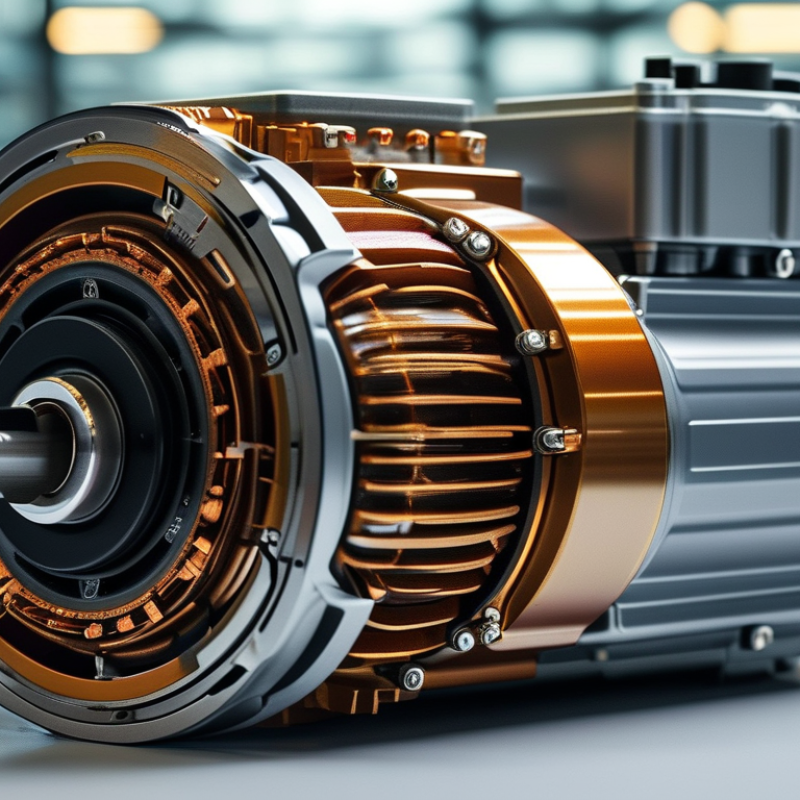
What is a PMSM Motor and Its Role in Electric Vehicles?
Permanent Magnet Synchronous Motors (PMSMs) are highly efficient and compact. They are increasingly popular in electric vehicles (EVs). According to a report by the International Energy Agency, PMSMs can achieve efficiencies exceeding 90%, significantly improving the range of EVs. This is crucial in a market striving for longer battery life and more sustainable transport solutions.
PMSMs utilize permanent magnets for their magnetic field. This design enhances torque density, allowing for a smaller motor size without sacrificing power. In fact, industry data from the Electric Power Research Institute indicates that PMSMs can offer up to 40% more torque than traditional motors. This increased torque means quicker acceleration and better performance, which are essential for modern EVs aiming to compete with traditional combustion engines.
However, there are challenges. The reliance on rare-earth materials for magnets raises concerns about supply chain sustainability. Prices can fluctuate, affecting production costs. Manufacturers face a balancing act between performance and resource availability. As EV technology evolves, these issues must be addressed to sustain growth in this promising sector.
Advantages of PMSM Motors Over Traditional Motor Types
PMSM (Permanent Magnet Synchronous Motor) is gaining traction in electric vehicles (EVs) due to its high efficiency and performance. These motors are known for their compact size and lightweight design. The energy density can be significantly higher compared to traditional induction motors. According to a 2021 report by the International Energy Agency, PMSMs can achieve efficiency levels exceeding 95%. This efficiency translates into longer driving ranges for EVs, making them more appealing to consumers.
The advantages of PMSM motors extend beyond just efficiency. Their torque characteristics provide instant power delivery, enhancing acceleration. This rapid response can improve driving dynamics, leading to a more engaging experience. Research from the Electric Power Research Institute highlights that PMSMs typically require less maintenance. The absence of brushes reduces wear and tear, which is a common issue with brushed DC motors. However, there are challenges as well. The dependence on rare-earth materials for permanent magnets can pose supply chain issues and environmental concerns.
While PMSM motors have their merits, they are not without drawbacks. The cost of manufacturing can be higher due to materials and complexity. That said, as technology develops, these challenges can be addressed. Flexibility in production and innovation may help reduce these costs over time. The continuous evolution of PMSM technology indicates its growing importance in the future of electric mobility.
Key Components and Design Features of PMSM Motors
Permanent Magnet Synchronous Motors (PMSM) play a crucial role in electric vehicles (EVs). Their design features include high efficiency, compact size, and low maintenance requirements. These components allow them to deliver excellent performance in a small footprint.
One key element of PMSM motors is the rotor design. Magnets used in the rotor enhance torque density. This means they can produce more power in a smaller space. Efficient cooling systems are also vital. They prevent overheating and prolong the motor's life.
Tips: When selecting a motor, consider its weight-to-power ratio. A lighter motor often improves overall vehicle efficiency. Also, watch for advancements in cooling technologies. They can significantly benefit your performance needs.
The controller is another important component. It manages the motor's performance and energy consumption. Advanced control algorithms can boost efficiency even further. Regular updates to these algorithms can lead to improvements, but ensure compatibility with the existing system.
PMSM Motor Efficiency Comparison for Electric Vehicles
This chart illustrates the efficiency of Permanent Magnet Synchronous Motors (PMSM) at different RPM ranges, highlighting their importance in electric vehicles for optimizing performance and energy consumption.
The Impact of PMSM Motors on EV Performance and Efficiency
Permanent Magnet Synchronous Motors (PMSMs) have revolutionized electric vehicle (EV) technology. They serve as a critical component for improving performance and efficiency. Unlike traditional motors, PMSMs offer higher torque density and better power-to-weight ratios. This means EVs equipped with PMSMs can accelerate faster and deliver a smoother driving experience.
The operational efficiency of PMSMs is impressive. These motors maintain high efficiency across a wide range of speeds and loads. This characteristic directly impacts the range of an EV. A more efficient motor consumes less energy, allowing for longer trips on a single charge. However, the reliance on rare earth materials for the magnets presents a sustainability concern. This raises questions about long-term impacts on the environment and supply chain reliability.
Additionally, PMSMs are quiet and require less maintenance. This minimizes operational costs and enhances user experience. Yet, the complexity of their design may pose challenges during repairs. As the EV market expands, balancing these benefits and challenges will be key. The advancement of PMSMs continues to shape the future of electric mobility.
What is PMSM Motor for EV and Why is it Important? - The Impact of PMSM Motors on EV Performance and Efficiency
| Dimension | PMSM Motor Characteristics | Impact on EVs |
| Torque Density | High torque output in a compact size | Improved acceleration and responsiveness |
| Efficiency | Typically over 90% efficiency | Extended range for electric vehicles |
| Cooling Requirements | Requires efficient cooling systems | Vital for sustained high performance |
| Control Complexity | Complex control algorithms needed | Direct impact on drivability and efficiency |
| Maintenance | Low maintenance requirements | Reduced lifetime costs for EV owners |
Future Trends and Innovations in PMSM Technology for EVs
PMSM (Permanent Magnet Synchronous Motor) technology plays a crucial role in electric vehicles (EVs). This type of motor is efficient and compact, making it suitable for the growing EV market. Innovators are increasingly focusing on enhancing its performance.
One future trend is the development of more efficient magnets. Advanced materials, such as rare-earth alternatives, could improve performance while reducing dependency on limited resources. This innovation is essential to decrease manufacturing costs and enhance sustainability in the long run.
Tips: Always consider the environmental impact of materials chosen. Look for sustainable options when possible.
Another exciting direction is the integration of artificial intelligence. Smart PMSM systems can adapt to varying driving conditions. They optimize energy usage, leading to longer battery life and enhanced vehicle range. This technology resonates with the needs of modern consumers who prioritize efficiency.
Tips: Monitor how AI evolves in this area. Stay informed on new features that might improve your driving experience.





