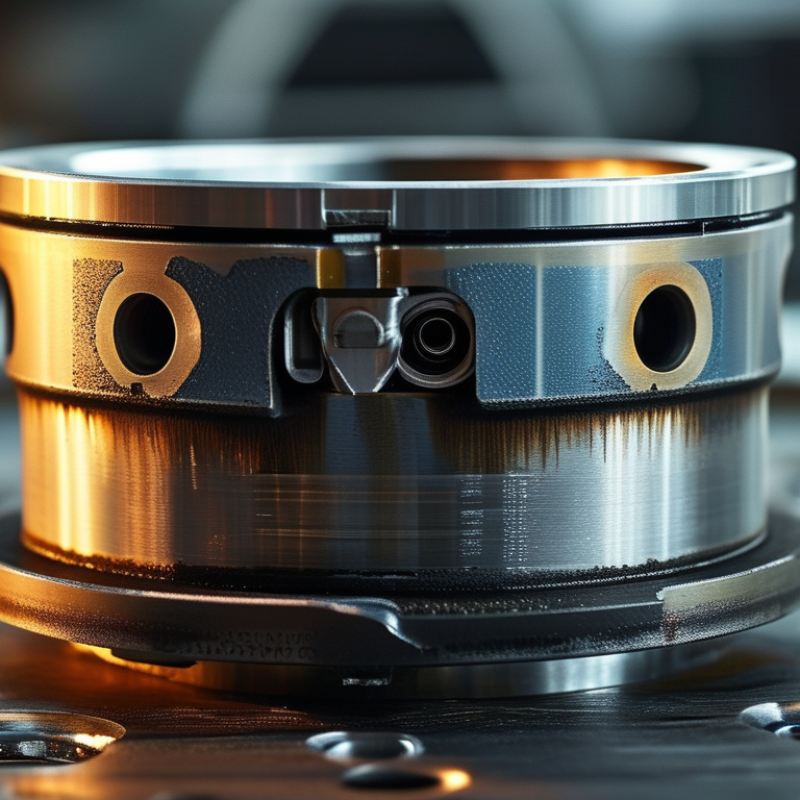
What is a Piston Ring and Its Importance in Engines?
In the world of engines, the piston ring plays a vital role. These simple components are often overlooked, yet they are essential for optimal engine performance. A piston ring controls the flow of oil and gas in the combustion chamber. Without it, an engine would struggle to function efficiently.
The design of a piston ring is intricate. It creates a seal between the piston and the cylinder wall. This seal prevents the escape of gases during combustion. Effective sealing ensures maximum power output and fuel efficiency. A worn piston ring leads to poor performance and increased emissions.
Understanding the importance of the piston ring is crucial for car enthusiasts and mechanics alike. Regular maintenance can extend the life of this vital component. Ignoring its condition could result in costly repairs. Every detail matters. A small flaw in the piston ring can have a ripple effect on the entire engine.
Definition of Piston Ring and Its Role in Internal Combustion Engines
A piston ring is a crucial component in internal combustion engines. It fits into the grooves of a piston, creating a seal against the cylinder wall. This seal prevents gases from escaping during the combustion process. The design of the ring allows it to maintain high pressure while withstanding extreme temperatures.
Piston rings serve several roles. They control oil consumption by scraping excess oil off the cylinder walls. This prevents oil from entering the combustion chamber and keeps emissions in check. Additionally, they help dissipate heat from the piston to the cylinder wall. Effective heat transfer contributes to the engine's overall performance and longevity.
However, not all piston rings perform equally well. Factors such as wear and improper installation can lead to issues. Worn rings may result in increased oil consumption and reduced engine efficiency. It's essential for mechanics to regularly check and maintain these components. Thoughtful inspection can prevent significant engine damage. Understanding piston rings can lead to better maintenance practices and improved engine reliability.
Piston Ring Performance in Internal Combustion Engines
Types of Piston Rings and Their Specific Functions in Engine Performance
Piston rings play a critical role in engine performance. There are three main types: compression rings, oil control rings, and scraper rings. Each type has a specific function that enhances engine efficiency and longevity.
Compression rings are vital for sealing the combustion chamber. They help maintain high pressure, which improves power output. These rings prevent gases from escaping during combustion. Without them, engines lose efficiency and power.
Oil control rings, on the other hand, manage the oil distribution within the cylinder. They ensure a thin layer of oil coats the cylinder walls, reducing friction. This minimizes wear and tear, promoting longevity.
Scraper rings are also essential. They clear excess oil from the cylinder walls before combustion. If too much oil enters, it can lead to fouling and increased emissions. Each ring must work properly for optimal performance. A failing ring can lead to significant engine issues, illustrating the importance of regular maintenance and inspection. Understanding these rings helps in making informed choices when addressing engine problems.
Importance of Proper Piston Ring Seal for Engine Efficiency and Longevity
Piston rings are vital for any internal combustion engine. They fill the space between the piston and the cylinder wall. Their primary role is to provide a proper seal, preventing combustion gases from escaping. A good seal ensures that the engine operates efficiently.
When piston rings fail or wear out, performance suffers. Engine efficiency decreases, leading to higher fuel consumption. This can reduce the engine's lifespan. Proper seating and seal of piston rings are essential to maintain optimal pressure during the combustion cycle.
Tips: Regularly check your engine oil levels. Low oil can exacerbate piston ring wear. Consider using high-quality engine oils that reduce friction and improve sealing. Monitor for unusual noises or drops in performance. Catching problems early can save on costly repairs later. Ensure your engine undergoes routine inspections to prevent unnoticed wear. A little attention goes a long way in safeguarding your engine’s health.
Common Issues and Symptoms Related to Worn or Damaged Piston Rings
Worn or damaged piston rings can lead to a variety of engine issues. These rings create a seal between the piston and the cylinder wall, allowing for efficient combustion. When they wear out, symptoms appear. A common sign is increased oil consumption. According to a study by the Society of Automotive Engineers (SAE), worn rings can cause an oil leak of up to 1 quart per 1,000 miles.
Another symptom of failed piston rings is the loss of engine power. This occurs due to poor combustion efficiency. An engine survey by the Engine Builders Association found that nearly 25% of power loss in older engines can be attributed to worn piston rings. You may also notice blue smoke from the exhaust, indicating that oil is burning alongside fuel. The more severe the damage, the more pronounced these issues will be.
Moreover, low compression in cylinders is a critical concern. A compression test can reveal this. In fact, mechanics often recommend checking compression if you suspect issues from worn rings. The consequences can escalate quickly if not addressed. This leads to potential engine failure. Thus, examining piston rings regularly is essential for maintaining engine performance. Regular maintenance can help prevent costly repairs down the line.
What is a Piston Ring and Its Importance in Engines?
| Aspect | Details |
| Definition | A piston ring is a sealing group that fits into the groove of a piston and maintains cylinder pressure by sealing the combustion chamber. |
| Types of Piston Rings | Compression rings, oil control rings, and scraper rings. |
| Function | To seal the combustion chamber, control oil consumption, and conduct heat away from the piston. |
| Common Issues | Worn or damaged rings can lead to poor engine performance, increased oil consumption, and knocking noises. |
| Symptoms of Worn Rings | Loss of power, excessive exhaust smoke, engine misfire, and increased oil level in the crankcase. |
Maintenance Practices to Ensure Optimal Piston Ring Functionality
Maintaining piston rings is crucial for engine performance. These small components play a significant role in sealing the combustion chamber. Proper maintenance ensures that they function efficiently, minimizing oil consumption and emissions. Regular inspections are necessary to detect wear or damage.
One effective practice is regularly checking oil levels and quality. Dirty oil can accelerate wear on piston rings. Additionally, using high-quality oil can improve lubrication. Drivers should also look out for unusual engine noises or excessive vibrations, which may indicate a problem with the rings.
Another aspect is the importance of avoiding short trips. Frequent short drives can prevent the engine from reaching optimal temperatures. This can lead to carbon buildup on the piston rings. Regular highway driving helps to burn off deposits.
If you notice a drop in engine performance, it may be time to inspect the piston rings. This process involves a bit of work but is essential for long-term reliability. Checking for proper gap specifications is another detail that should not be overlooked. Regular maintenance ensures that your engine runs smoothly for years.