What is PCB Shielding Punch Tools and How to Use Them?
In the intricate world of electronics, ensuring signal integrity is crucial. This is where PCB Shielding Punch Tools come into play. These tools are designed to create precise punched holes in printed circuit boards. They help to achieve effective electromagnetic interference (EMI) shielding. A well-shielded PCB can significantly enhance device performance and reliability.
Using these tools requires a clear understanding of the PCB design. Precision is key. A small error can lead to costly mistakes in production. Operators must be trained to handle these tools effectively. Experience with proper techniques can greatly influence outcomes. Despite advancements in technology, mistakes can happen. Regular review and improvement of techniques are essential.
Employing PCB Shielding Punch Tools is not just about creating holes. It's about understanding their impact on overall device functionality. They may appear straightforward, but the intricacies can be overwhelming. Awareness of common pitfalls is necessary to navigate this complexity. Proper use of these tools enhances both the design process and the end product's success.
Understanding PCB Shielding Punch Tools
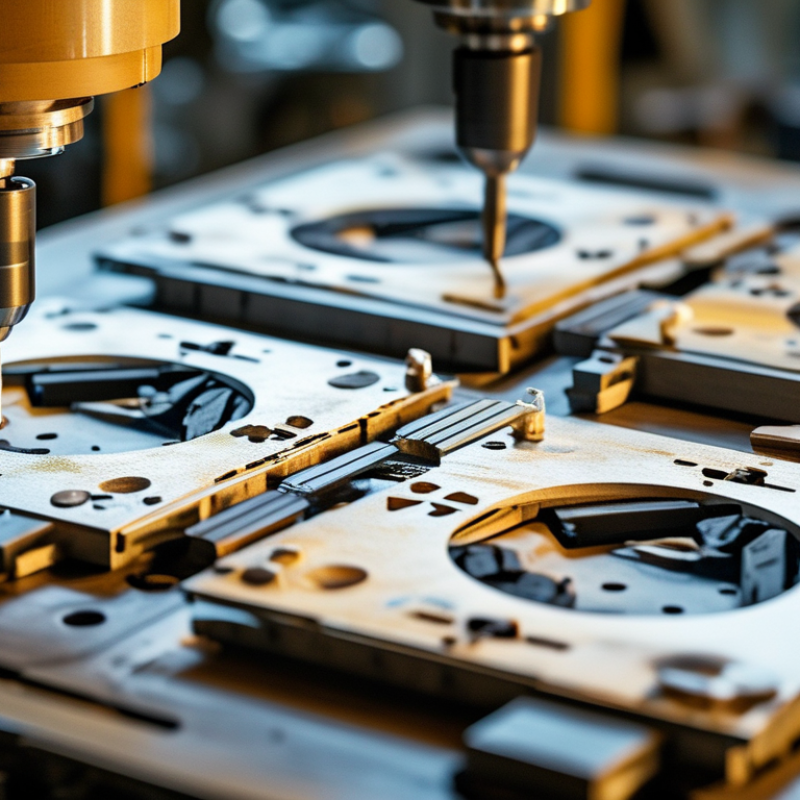
PCB shielding punch tools are essential for creating openings in printed circuit boards for optimal EMC performance. These tools aid in forming slots and cutouts required for proper grounding and shielding. The right punch tools help minimize electromagnetic interference, which can disrupt signal integrity.
According to industry reports, devices with proper PCB shielding see a 30% reduction in noise levels. This is crucial in high-frequency applications, where minor interference can lead to significant issues. Furthermore, using precise punch tools can extend the lifespan of the PCB by ensuring appropriate thermal management and reducing stress on components.
Despite their importance, many engineers overlook the benefits of using these tools. Inadequate tooling can lead to oversize or misplaced holes, affecting board quality. Moreover, choosing the right material for the punches is vital. Tools made from high-quality steel last longer and provide cleaner cuts. Inexperienced users might struggle initially, but practicing with different materials can enhance proficiency over time.
Types of PCB Shielding Punch Tools Available
PCB shielding punch tools are essential for creating precise cutouts in printed circuit boards. These tools allow manufacturers to ensure effective electromagnetic interference (EMI) shielding, a critical feature in modern electronic devices. The market for these tools has been expanding, driven by the increasing demand for high-frequency applications. In fact, according to a recent report by industry analysts, the global PCB shielding materials market is projected to reach USD 3 billion by 2025.
There are several types of PCB shielding punch tools available. Manual punch tools offer affordability and ease of use. They are suitable for small-scale productions and prototyping. On the other hand, hydraulic and pneumatic punch tools provide higher efficiency and are better suited for mass production runs. Their precision helps minimize errors, though users must ensure they are calibrated correctly to avoid material waste. Additionally, laser punch tools are gaining popularity for their ability to deliver intricate designs and faster processing times.
Each tool has its specific applications and benefits. Electric engineers must carefully choose tools based on their project requirements. It's vital to weigh factors like production volume, accuracy needs, and budget constraints. Some tools may not be suitable for complex geometries, leading to the need for further refinement. Inadequate tool selection can lead to delays and increased costs, making research and expertise crucial in this field.
Step-by-Step Guide to Using PCB Shielding Punch Tools
Using PCB shielding punch tools can significantly enhance your circuit board's performance. These tools help create precise openings in shielding material, which improves electromagnetic interference (EMI) protection. Proper usage ensures the integrity of the board and the components attached.
To start, gather your materials. You will need the punch tool, a stable work surface, and the PCB with the necessary shielding. Begin by marking the desired locations for your punches on the shielding. Accuracy is vital. Using a ruler or caliper can help.
Once marked, position the punch over the PCB. Apply firm and even pressure to create the openings. Avoid using excessive force, which could damage the board. After punching, inspect each opening. Ensure there are no tears or imperfections that could compromise the shielding effectiveness. Take time to reflect on your process. Was your technique consistent? Each improvement will enhance your future projects.
What is PCB Shielding Punch Tools and How to Use Them? - Step-by-Step Guide to Using PCB Shielding Punch Tools
| Step | Description | Tools Needed | Safety Precautions |
| 1 | Select the appropriate PCB material for shielding. | PCB Material (Copper, Aluminum) | Wear gloves to avoid skin contact with PCB edges. |
| 2 | Mark the areas on the PCB where punching is needed. | Marker or Pencil | Ensure working area is clear of obstruction. |
| 3 | Position the shielding punch tool over the marked area. | Shielding Punch Tool | Secure loose clothing and hair to prevent entanglement. |
| 4 | Apply pressure to punch through the PCB. | Pressure Tool | Use protective eyewear to shield against debris. |
| 5 | Remove punched-out waste material safely. | Waste Collection Tray | Dispose of waste properly according to regulations. |
Best Practices for Maintaining PCB Shielding Punch Tools
Maintaining PCB shielding punch tools is crucial for optimal performance. Regular cleaning is essential to prevent buildup and ensure precise punching. Use a soft brush to remove debris from tool surfaces. A clean workspace also helps avoid contamination. Store tools in a dry place to prevent rust or corrosion.
Another key practice is to inspect tools regularly. Look for signs of wear or damage. Dull edges can affect their effectiveness and lead to poor results. Keeping a log of usage can help track wear. Consider sharpening tools as needed. Proper usage during projects can minimize unnecessary stress on the tools.
Calibration is often overlooked but is important for accuracy. Ensure tools are calibrated properly before use. Imbalanced or misaligned tools lead to inconsistent results. Seek feedback from team members on tool performance. They're often the first to notice issues. Reflecting on these practices can lead to continuous improvement in maintaining these critical tools.
Common Mistakes to Avoid When Using PCB Shielding Punch Tools
When using PCB shielding punch tools, several common mistakes can lead to subpar results. One frequent error is inadequate pressure during punching. This can result in incomplete cuts or damage to the board. It’s essential to apply consistent pressure. Using a tool without the right alignment can also be problematic. Misalignment can cause uneven holes, affecting the shielding effectiveness.
Another issue is ignoring the material thickness. Different materials require different punch settings. If you do not adjust for thickness, you risk tearing or excessive friction. Additionally, neglecting to clean the tools regularly can lead to inconsistent performance. Accumulated debris can interfere with the punching process.
Lastly, inexperienced users may rush through the process. Taking time to set everything correctly can save you from costly mistakes. Inadequate planning can lead to miscalculations in design. Having a clear layout before starting can minimize errors. Regular reflection on these practices helps improve skills over time.





