What is PCB Prototype and How Can It Benefit Your Business?
In today's fast-paced electronics market, staying competitive is crucial. PCB Prototype plays a pivotal role in this process. Industry expert Dr. Emily Carter, a leading voice in electronic design, states, "A well-crafted PCB prototype is the cornerstone of innovation." Her insights emphasize the significance of rapid prototyping in product development.
Investing in PCB Prototype services can streamline your workflow. It enables quicker iterations, leading to refined designs. Skilled professionals can identify flaws early, reducing costs in later stages. Imagine the difference between a product that meets quality standards and one that doesn’t. The former guarantees customer satisfaction and drives sales.
However, many businesses still overlook the value of PCB prototypes. Some believe that cutting corners during prototyping saves money. This approach can backfire, resulting in defective products. Reflecting on past mistakes can guide companies to embrace better practices. Prioritizing quality in PCB prototypes is essential for long-term success in an increasingly competitive landscape.
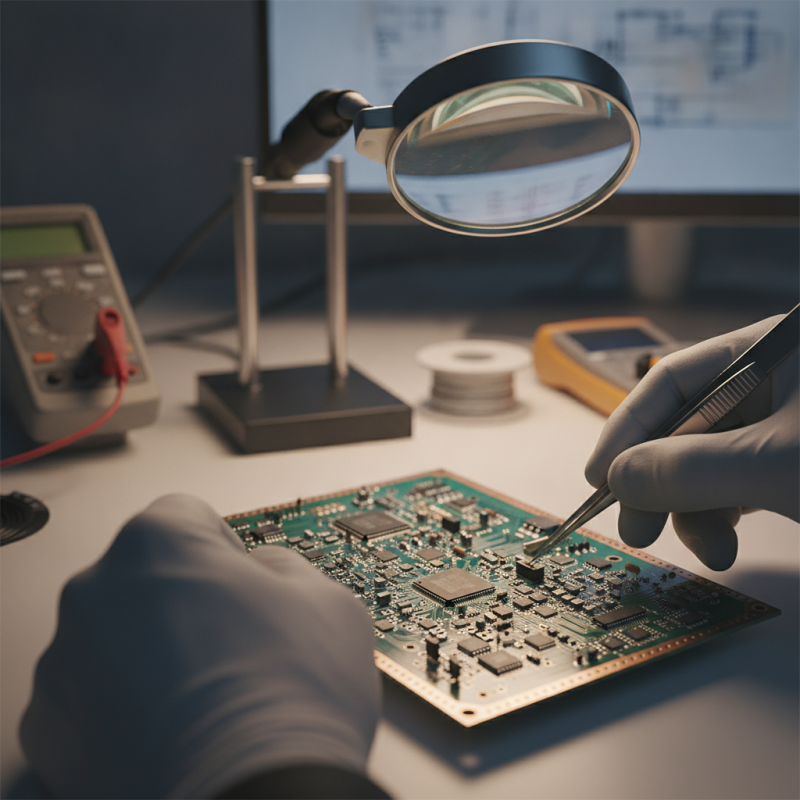
What is a PCB Prototype? Definition and Overview
A PCB prototype, or printed circuit board prototype, is a crucial component in electronics design. This prototype serves as a preliminary model for testing and analysis. It allows engineers to evaluate circuit designs before full production. Prototyping helps identify flaws early, which can save time and costs. Additionally, it enables rapid iterations, ensuring that the final product meets specifications.
Creating a PCB prototype involves several steps. Engineers design the circuit layout using specialized software. Next, they fabricate the board using materials like fiberglass or epoxy resin. Testing follows, where different functions are assessed. Feedback from this stage is vital. It can lead to unexpected discoveries about the design’s performance. Sometimes, bugs might appear, requiring further revisions.
Businesses can greatly benefit from PCB prototypes. They reduce the risk of large-scale manufacturing errors. Moreover, they enhance product reliability. Test results guide informed decisions about materials and components. This process fosters innovation and efficiency. However, not all prototypes succeed on the first attempt. Iterative testing and refinement are essential for achieving the desired outcome. Embracing this trial-and-error mindset can ultimately drive success in product development.
Key Stages in the PCB Prototyping Process Explained
PCB prototyping is a critical step in the electronics manufacturing process. Understanding the key stages can greatly benefit your business. The prototyping process usually starts with design and simulation. Engineers use specialized software to create a detailed electronic design. This allows for modifications before physical production, minimizing errors and saving time.
[Image] Next, the fabrication stage involves creating the PCB using materials like FR-4 and copper. A recent report indicates that the global PCB market is projected to reach $80 billion by 2026, emphasizing the growing importance of reliable prototypes. Once fabricated, the boards undergo testing, ensuring they meet specifications like durability and functionality. This testing phase identifies potential issues early, preventing costly revisions later.
Finally, the assembly stage involves mounting components onto the PCB. While this process seems straightforward, misalignments can occur. These discrepancies can lead to product failure. According to industry analysis, up to 20% of prototypes may need significant adjustments. This highlights the importance of thorough testing and revision. By mastering each stage, businesses ensure their prototypes are not just functional but also optimized for performance and reliability.
Advantages of PCB Prototyping for Product Development
PCB prototyping plays a crucial role in modern product development. By creating physical models of a printed circuit board (PCB), businesses can assess their design before mass production. This approach reduces risks significantly. A report by IPC estimates that 70% of design flaws can be identified early through prototyping. Early detection saves time and resources.
Prototyping allows for iterative testing. Engineers can refine their PCBs based on performance data. This responsiveness leads to improved quality, ensuring the final product meets customer expectations. A study by MarketWatch indicates that companies practicing effective prototyping are 15% more successful in product launches compared to those that skip this phase.
Despite these benefits, challenges remain. Prototyping can be resource-intensive. It may require specialized tools and skilled personnel. Some businesses may undervalue the necessary feedback loops, risking delays. Striking a balance between speed and quality is essential for maximizing prototyping benefits. Adjusting strategies based on iterative feedback could enhance outcomes. Engaging stakeholders early in the process fosters collaboration, addressing potential roadblocks proactively.
What is PCB Prototype and How Can It Benefit Your Business? - Advantages of PCB Prototyping for Product Development
| Advantage | Description | Impact on Business |
| Cost Efficiency | Prototyping helps to identify design flaws early, reducing costly modifications in later stages. | Lower development costs, higher margins. |
| Time Savings | Rapid prototyping allows for faster iterations and testing. | Accelerated time to market. |
| Risk Reduction | Testing prototypes helps to uncover potential issues before full-scale production. | Minimized project risk. |
| Improved Communication | Physical prototypes assist in conveying design ideas to stakeholders. | Enhanced collaboration and feedback. |
| Customization | Prototyping allows for tailored solutions to meet specific product requirements. | Increased customer satisfaction and loyalty. |
Industry Statistics: Impact of Prototypes on Time-to-Market
Prototyping is crucial in the electronics industry. It shortens the time-to-market significantly. According to a recent study by the Product Development Institute, companies that utilize prototypes can reduce their development time by up to 25%. This advantage is essential for businesses aiming to stay competitive.
Prototypes allow for early testing and validation of designs. This often leads to fewer errors in the final product. A survey from the Electronics Design Group indicates that 60% of firms that adopt rapid prototyping see improvements in product quality. An iterative approach helps teams address flaws early. This iterative process is invaluable in fast-paced markets.
However, not all companies embrace prototyping. Some view it as an unnecessary expense. Yet, the long-term benefits can outweigh the initial costs. Companies that invest in prototypes often recover these costs through increased efficiency. The challenge lies in educating stakeholders on the value of this process. Businesses must learn to balance initial investments with potential gains in speed and quality.
Cost Analysis: How PCB Prototyping Can Save Your Business Money
PCB prototyping is a crucial step for businesses in the electronics sector. It allows companies to test and refine their designs before mass production. According to a report by industry experts, businesses often see a reduction of up to 30% in overall project costs when utilizing PCB prototypes. The initial expenses of prototyping can seem high, but the long-term savings are significant.
Another analysis highlights that errors detected during the prototyping stage can prevent costly mistakes. A single design flaw could lead to a 40% increase in production costs due to wasted materials and time. Companies that invest in PCB prototypes often cut down on rework and redesign, leading to more efficient project timelines. This operational efficiency translates directly into financial savings and improves overall profitability.
However, not all prototypes yield perfect results. Mistakes in the early stages can lead to misunderstandings about design requirements. Such pitfalls emphasize the importance of thorough validation during the prototyping phase. Despite its challenges, embracing PCB prototyping can significantly enhance a company's competitive edge, establishing a stronger foothold in the market.
Cost Analysis: How PCB Prototyping Can Save Your Business Money
This chart illustrates the cost breakdown associated with PCB prototyping and mass production. The initial investment includes design and tooling costs, while prototyping costs allow for testing and adjustments before mass production, ultimately leading to significant savings in production costs.





