What is PCB Assembly and How Does it Benefit Your Business?
PCB Assembly plays a crucial role in modern electronics manufacturing. It involves the process of connecting Electronic Components to a printed circuit board (PCB) to create functional devices. This process is not only technical but also essential for businesses looking to streamline production and enhance product performance.
Understanding PCB Assembly is vital for companies aiming to stay competitive. A well-executed assembly can significantly reduce production costs and improve product quality. Using advanced techniques and materials can lead to innovative designs and increased reliability. Businesses can benefit from higher efficiency and faster time-to-market through professional PCB Assembly services.
However, not all PCB Assembly providers are created equal. Companies must choose reliable partners who prioritize quality and precision. It’s important to ask questions and evaluate previous work. Reflecting on past experiences can reveal valuable lessons for future projects. This due diligence ensures that the benefits of PCB Assembly are realized fully, leading to success in an increasingly demanding market.
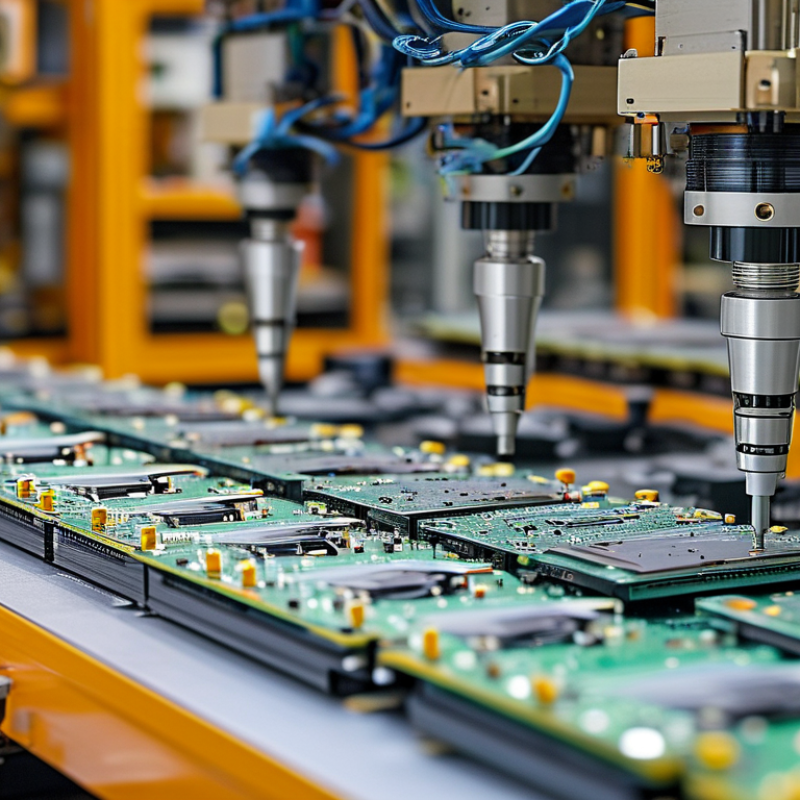
What is PCB Assembly? Understanding the Basics and Definitions
PCB assembly is a crucial process in electronics manufacturing. It involves connecting various electronic components to a printed circuit board (PCB). Understanding the basics of PCB assembly is essential for any business looking to optimize its electronic production.
The process typically includes surface mount technology (SMT) and through-hole technology. According to recent industry reports, the global PCB market is projected to reach $80 billion by 2026. This growth stems from increased demand for consumer electronics and automotive applications. Companies with robust PCB assembly processes can significantly enhance the reliability of their products.
Challenges can arise in PCB assembly. It is not uncommon for manufacturers to face issues such as misalignment of components or soldering defects. In a survey, 40% of electronics manufacturers reported occurrences of quality control problems during assembly. These hurdles highlight the need for skilled labor and advanced equipment. Investing in training and technology can mitigate risks and improve output quality.
What is PCB Assembly and How Does it Benefit Your Business?
| Dimension | Description | Benefits |
| Material Used | PCB materials such as FR4, CEM1, and Polyimide. | Ensures durability and electrical reliability. |
| Types of Assemblies | Surface Mount Technology (SMT) and Through-Hole Technology (THT). | Provides flexibility in design and component placement. |
| Lead Time | Time taken from order to delivery, typically 2-4 weeks. | Quick market entry for new products. |
| Cost Factors | Material, labor, and overhead costs. | Potential for cost savings through bulk production. |
| Quality Control | Inspections and testing throughout the assembly process. | Reduces potential defects and enhances reliability. |
The PCB Assembly Process: Steps Involved from Design to Production
The PCB assembly process is intricate yet crucial for manufacturers. It typically begins with design verification, where engineers ensure that the layout meets specifications and standards. According to IPC, around 70% of design errors occur at this stage. Addressing these issues early can save companies significant costs down the line.
Next, the process includes component procurement. Reliable suppliers must be selected to avoid delays. Recent industry reports suggest that up to 50% of production delays stem from sourcing issues. Once components are secured, the assembly phase begins. Techniques such as Surface Mount Technology (SMT) enable rapid assembly. However, the SMT process can also lead to defects if not carefully managed. Regular quality checks are essential in this phase to address any assembly inaccuracies early on.
Finally, the testing phase ensures functionality. Many firms overlook this, leading to product failures. Surprisingly, a report from a leading electronics association highlights that nearly 30% of products fail due to inadequate testing. Each step in PCB assembly has its challenges, but recognizing and refining these processes can enhance overall efficiency and product reliability.
Benefits of PCB Assembly for Businesses: Cost, Quality, and Efficiency
PCB assembly plays a crucial role in modern electronics. Companies benefit greatly from the assembly process. The industry reports that businesses can reduce costs by up to 30% through efficient PCB assembly. Streamlined production techniques enable manufacturers to minimize waste and optimize resources.
Quality is another vital factor in PCB assembly. Research shows that companies that invest in high-quality assembly processes experience a 40% reduction in defects. This improvement can lead to increased customer satisfaction and brand loyalty. High-quality PCBs ensure better performance and longevity of electronics, which ultimately saves money on replacements.
Efficiency in production cannot be overlooked. Automated assembly lines can complete tasks much faster than manual processes. According to a report by the IPC Organization, companies that utilize automated methods see a 60% improvement in turnaround times. Speedy production allows businesses to respond quickly to market demands and stay competitive. Companies must reflect on their assembly strategies to remain relevant and effective in this fast-paced environment.
Benefits of PCB Assembly for Businesses
Key Industry Statistics: Impact of PCB Assembly on Market Trends
The impact of PCB assembly on market trends is significant. According to industry reports, the global PCB market is projected to reach $80 billion by 2025, with a compound annual growth rate (CAGR) of 6.2%. This growth is driven by increasing demand for electronic devices across various sectors, including automotive, healthcare, and consumer electronics. As businesses look to enhance efficiency, the adoption of automated PCB assembly processes has become pivotal.
A study by Smithers shows that approximately 60% of manufacturers have shifted to advanced PCB assembly techniques to remain competitive. This shift is essential as it allows for higher precision, reduced waste, and faster turnaround times. The integration of AI and machine learning in PCB assembly is a growing trend, expected to improve production quality and minimize human error significantly. However, not all companies have successfully implemented these technologies.
Moreover, companies face hurdles in workforce training and technology integration. Many businesses report that 25% of their production delays stem from outdated assembly methods. This reality emphasizes the need for continuous improvement and investment in PCB assembly capabilities. As the market evolves, those who embrace innovation will likely gain a competitive edge, while others may struggle to keep pace.
Future of PCB Assembly: Innovations Shaping the Electronics Industry
The future of PCB assembly is bright, driven by technological advancements and innovations. Smart manufacturing is at the forefront, integrating automation and artificial intelligence. This integration leads to increased efficiency and reduced errors in production. As robots take over repetitive tasks, human workers can focus on complex problem-solving.
Another promising trend is the rise of miniaturization. Products are becoming smaller and more powerful, demanding innovative PCB designs. Companies are exploring flexible and printed circuits to meet these needs. These boards are lighter and occupy less space, crucial for modern electronic devices. However, this trend raises challenges in thermal management and durability.
Sustainability also plays a critical role in shaping future PCB assembly methods. Eco-friendly materials and recyclable components are gaining popularity. Manufacturers face the challenge of balancing performance with environmental responsibility. As they explore biodegradable materials, they must consider their impact on reliability and longevity. Such complexities require a continuous evaluation of industry practices and standards, pushing for improvement while fostering innovation.





