What is a Paper Laminating Machine and How to Choose One?
In today's fast-paced world, a Paper Laminating Machine plays a crucial role in the production and preservation of printed materials. These machines offer a protective layer that enhances durability and makes documents look more professional. According to a recent report by Smithers Pira, the global market for laminating products is expected to grow steadily, reaching over $9 billion by 2025. This growth underscores the increasing importance of quality finishes in industries such as publishing, education, and advertising.
Choosing the right Paper Laminating Machine can be challenging. Factors to consider include the type of laminating film, machine speed, and user-friendliness. Many users underestimate the cost-effectiveness of investing in high-quality equipment. Relying solely on budget models may lead to disappointing results, which can affect overall productivity. The choice of a laminating machine directly impacts a business's efficiency and output quality.
Professionals often express concerns about machine reliability and maintenance. Understanding the nuances of different laminating technologies is vital for informed decision-making. A poor choice can result in wasted materials and increased downtime. Ultimately, selecting the right Paper Laminating Machine requires a balance of expertise, resources, and awareness of market trends.
What is a Paper Laminating Machine: Definition and Functions
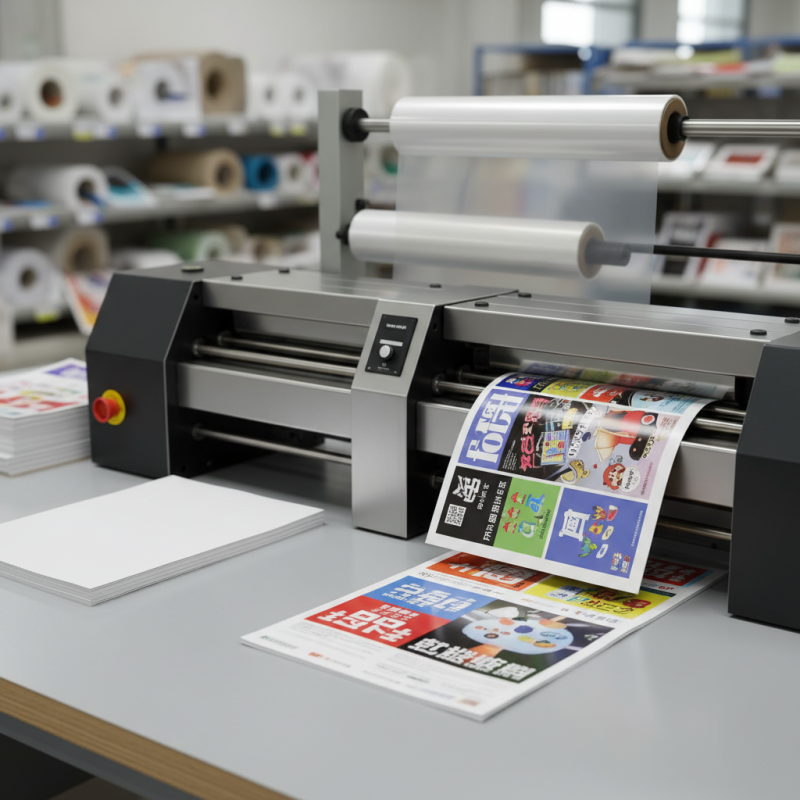
A paper laminating machine is an essential device for protecting documents and enhancing their appearance. It uses plastic film to encapsulate paper, creating a durable, water-resistant surface. This process improves the longevity of printed materials, making them ideal for menus, ID cards, and signage. The laminate not only offers protection but also adds a professional finish, making documents more visually appealing.
When considering a laminating machine, it's important to understand its functions. These devices vary in size and capacity. Some are suitable for small projects, while others can handle large batches. Features like temperature control and speed settings can greatly influence the outcome. A good machine should be easy to operate, even for beginners. It should allow for adjustments according to different types of laminating films and documents.
Choosing the right laminating machine requires careful thought. Assess your primary needs first. Reflect on the volume and types of materials you will laminate. Consider future projects as well, which could change your requirements. It’s helpful to read reviews and seek advice from experts in the field. Recognizing that not every machine suits every purpose will ensure better decisions in your laminating journey.
Types of Paper Laminating Machines: Hot vs. Cold Laminators
When considering a paper laminating machine, understanding the two main types—hot and cold laminators—is essential. Hot laminators use heat and pressure to seal the laminate around the paper. This method creates a durable finish and is ideal for high-quality projects. According to industry reports, around 75% of professional printing services prefer hot laminators for their versatility and finished appearance.
Cold laminators, in contrast, employ pressure-sensitive adhesives. They are often simpler to use and require no warm-up time. This makes them suitable for soft or heat-sensitive materials. About 30% of educational institutions and small businesses lean towards cold laminators for their ease and safety. However, they may not offer the same level of durability as hot laminators.
Choosing between these two requires assessing your specific needs. Factors such as the types of materials you work with and the volume of laminating you intend to do are important. Each type has pros and cons, creating a dilemma for users. For example, while hot laminators provide a superior finish, some users find the process time-consuming. Consider these aspects carefully before making a decision.
Key Features to Consider When Choosing a Laminating Machine
When selecting a paper laminating machine, consider several key features. The size of the machine is crucial. It should accommodate your most common paper dimensions. If you often work with larger sheets, look for a machine with a wider input. On the other hand, compact machines are available for smaller projects.
Another essential feature is the laminating speed. Machines vary in how quickly they can process sheets. While faster machines can boost productivity, they may sacrifice quality. Always check user reviews to gauge performance.
Tips: Always ensure the machine has adjustable temperature settings. This feature allows you to work with different types of laminating films. A dual temperature option can enhance versatility.
Additionally, think about the machine's weight and portability. Some models are lightweight, making them easier to move. Others are more robust and stationary. Choosing the right model can impact your workflow significantly.
In your search, inspect user manuals and warranty information before purchasing. A clear manual is beneficial for troubleshooting. Check if the manufacturer offers good customer support. Having reliable support can prove essential during usage.
Industry Applications of Paper Laminating Machines in Various Sectors
Paper laminating machines serve a vital role in various sectors. These machines offer protection and durability for printed materials, enhancing their longevity. In educational institutions, laminated materials create sturdy study aids. This helps in maintaining the quality of essential documents. In the business world, laminated materials like brochures and presentations withstand wear. They present a professional appearance, reflecting the brand's commitment.
When selecting a laminating machine, consider its intended use. A lightweight, portable model may suffice for small offices. For larger businesses, a heavy-duty machine offers more versatility. Explore different sizes and laminate thicknesses to match project requirements.
Tips: Evaluate the production volume. If you laminate frequently, a high-speed machine will save time. Always check user reviews before purchasing. They provide insights into the machine's reliability and performance. A poorly reviewed machine can lead to frustration and wasted resources.
Market Trends: Growth and Innovation in Laminating Technology
The laminating technology market is experiencing significant growth. According to a recent report by Markets and Markets, it is projected to reach $3.8 billion by 2025, with a CAGR of 5.9%. This increase is driven by rising demand for laminating films in packaging, graphics, and consumer goods. As industries seek durable and moisture-resistant solutions, innovation in laminating machinery becomes crucial.
Advancements in laminating machines focus on automation and efficiency. Modern devices feature digital controls for precise temperature regulation and speed adjustments. These innovations enhance operational productivity. Furthermore, eco-friendly materials are gaining traction in the laminating space. With environmental concerns on the rise, manufacturers are exploring sustainable alternatives to traditional laminating films. This is a notable shift that reflects broader market trends.
Challenges persist in selecting the right laminating machine. Buyers often face a crowded market with diverse options. It's essential to assess the machine's capabilities regarding thickness and film type compatibility. A mismatch can lead to wasted materials and operational setbacks. Consequently, businesses need to prioritize reliability and support from suppliers to navigate this evolving landscape effectively.





