


What Is a Paper Box Glue Spraying Machine?

Paper boxes are assembled with more than a clean fold. Their seams need an even adhesive line, placed accurately enough to hold during handling and shipping. A Paper Box Glue Spraying Machine automates this step by dispensing adhesive onto selected areas of carton blanks or folded boxes. Depending on its design, it may use spray nozzles, a conveyor, pumps, and sensors to control placement and feed speed. The exact setup matters.

The market context helps explain why this equipment attracts attention. Grand View Research estimated the global folding carton packaging market at USD 184.5 billion in 2023, with projected growth from 2024 to 2030 in its Folding Carton Packaging Market report. That figure describes the packaging market, not glue-machine sales. Still, it points to sustained demand for carton production, where repeatable adhesive application can support consistent output and reduce manual handling.

But automation is not a cure-all. Adhesive type, box material, nozzle condition, and line speed can affect bond quality. A setting that works for one carton may leave another with overspray or weak seams. Real production trials matter. This guide explains what a Paper Box Glue Spraying Machine does, how its main systems work, and which factors buyers should check before choosing one. A small detail can matter. Adhesive tests and maintenance records offer stronger evidence than a headline speed claim.
What Is a Paper Box Glue Spraying Machine?

How a Paper Box Glue Spraying Machine Works

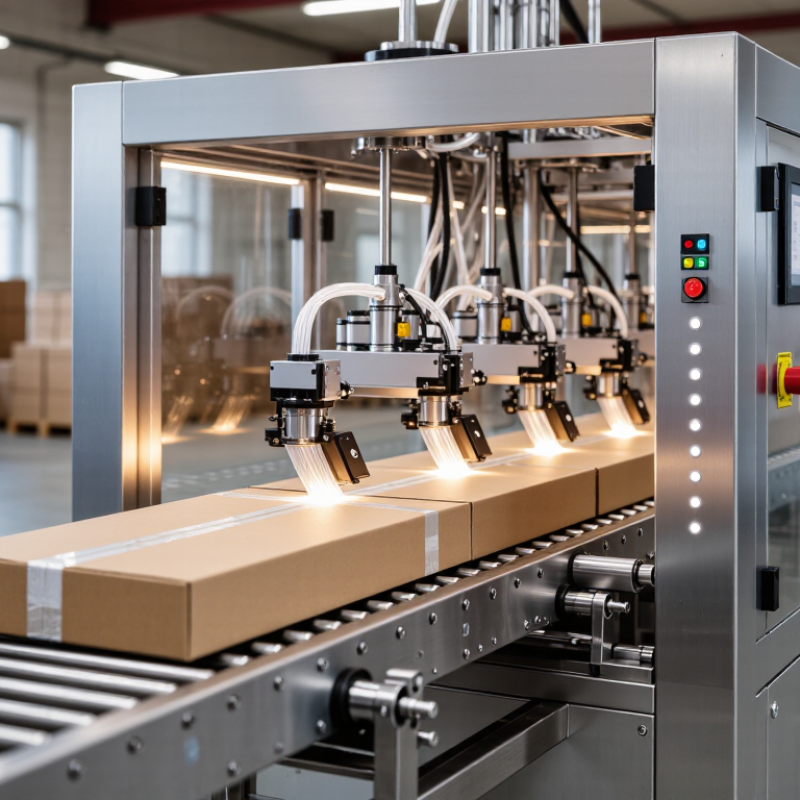
A paper box glue spraying machine applies adhesive to selected areas of a box blank before folding or assembly. The operator loads flat paperboard sheets onto a feeder, where rollers or suction cups guide them toward the spraying section. Nozzle heads release controlled lines or dots of glue as each sheet passes underneath. Timing matters: the adhesive must land on the folding tabs, not across the printed panels.

Sensors and guides help keep each blank aligned. A conveyor then carries the coated sheet to a folding or pressing unit, which joins the glued flaps. Pressure gives the bond time to set before the box moves onward. In practice, coverage is not always perfectly even. Warped board, clogged nozzles, or a poorly adjusted feed can cause weak joints or glue marks. Operators check sample boxes and adjust spray width, flow, and sheet alignment for the material being used.

Tips: Clean nozzle openings at the intervals recommended for the adhesive. Test a few blanks after changing paper thickness or glue settings. Look closely at the inside seams; a neat exterior can hide a weak bond. Allow for small variations, too.


Main Components and Their Functions

What Is a Paper Box Glue Spraying Machine?

Main Components and Their Functions

A paper box glue spraying machine applies adhesive to selected areas of carton blanks before folding or bonding. Its feeding unit guides flat sheets into the machine, while side guides help keep each blank aligned. A conveyor then carries the material through the spray zone at a controlled speed. Even a small skew can shift the glue line.

The adhesive tank stores the glue, and a pump moves it through hoses to the spray nozzles. Nozzles form the pattern, such as a narrow line along a flap or several short bands. Their spacing and angle affect coverage. Small details matter. The control panel lets an operator adjust settings like conveyor speed and spray timing. Sensors may detect each passing blank and trigger spraying, helping reduce missed or misplaced applications.

Some machines also include a pressing section that holds glued flaps together as the adhesive begins to set. Performance depends on more than the machine: glue viscosity, paper surface, and room conditions can all change the result. In practice, nozzle cleaning and test runs are easy to underestimate. A sample carton should be checked for continuous coverage and unwanted glue marks before full production. Not every setup is identical.

The Glue Spraying Process, Step by Step

What Is a Paper Box Glue Spraying Machine?
The Glue Spraying Process, Step by Step

A paper box glue spraying machine applies a controlled adhesive pattern to carton panels before folding and bonding. The operator loads cut blanks, checks their direction, and adjusts guides so each sheet follows the same path. Glue type, paper coating, and room temperature can all affect how the adhesive behaves. A quick test on scrap stock is useful. It reveals whether the spray is even before a full run begins.

The machine feeds each blank beneath the spray nozzles, which deposit narrow lines or a measured mist along the bonding areas. Nozzle distance and conveyor speed determine coverage; too much glue can wrinkle paper, while too little may leave edges lifting. Watch the edges. After spraying, rollers or guides bring the panels together and apply pressure. The folded boxes then need enough setting time before stacking or packing. Small gaps matter. During a run, inspect sample boxes for clean seams, glue smears, and consistent alignment. Results can vary with paper and humidity, so settings that worked yesterday may need a small adjustment today. A dry run helps.

Compatible Paper Boxes and Adhesives

A paper box glue spraying machine can handle folding cartons, sleeves, trays, and some corrugated boxes, provided the blank fits the feed path and spray area. Flat blanks are usually easier to coat consistently than assembled boxes. Check where the machine places adhesive: side seams, dust flaps, or selected panels may each need a different spray pattern. A narrow seam may need a fine line, while a broad flap can require several parallel passes. Not every machine reaches every box shape.

Adhesive choice depends on the board surface and production speed. Water-based carton adhesives often suit absorbent paperboard, but coated, varnished, or laminated surfaces may need a formulation designed for lower absorption. Hot-melt adhesive can set quickly, though it requires compatible heated delivery components and careful temperature control. Small trials matter. Spray a sample, fold it, and check the bond after the adhesive has cured. Look for weak edges, excess squeeze-out, clogged nozzles, or strings between passes. It is not always obvious. Recycled board can vary in porosity, so a setting that works on one batch may need adjustment on the next.

What Is a Paper Box Glue Spraying Machine?

A paper box glue spraying machine applies adhesive to box panels or seams. The chart shows indicative basis-weight ranges for common paper materials; actual grades vary.

Adhesive selection: Water-based PVA is commonly used on porous paper and paperboard. Hot-melt adhesives are often chosen where rapid setting is needed. Coated or laminated surfaces may require a compatible adhesive and a test before production.

Key Factors in Machine Setup and Operation

A paper box glue spraying machine applies controlled adhesive patterns before carton panels are folded or joined. Setup quality depends on matching the spray pattern to the box design, board surface, adhesive, and line speed. Small changes matter.

Begin with clean nozzles and flat, correctly registered blanks. Set adhesive temperature and viscosity within the supplier’s specified range; then adjust nozzle distance, angle, and spray width to the glue zones. Run test blanks at the intended speed. Check for missed edges, overspray, and glue squeeze-out after folding. Record the settings and inspect samples during production, not just at startup. That takes discipline.

Smithers’ The Future of Global Packaging to 2028 forecasts a global packaging market worth $1.3 trillion by 2028. That broad market figure is not specific to paper boxes, but it signals the scale of demand behind consistent converting operations. For operators, repeatability matters more than chasing maximum speed. A simple check can help: compare adhesive coverage across several consecutive blanks and confirm the bond after folding. If results vary, inspect nozzle wear, board dust, and pressure stability before changing multiple settings at once. That step is easy to skip. It is also where setup notes can reveal a pattern—or expose a mistaken assumption.

What Is a Paper Box Glue Spraying Machine? - Key Factors in Machine Setup and Operation
Setup or Operation Factor Practical Starting Point What to Check Why It Matters
Machine purpose Applies controlled lines, dots, or patterns of adhesive to paperboard parts before folding or bonding. Confirm the machine’s applicator type and that it suits the carton layout and adhesive being used. The correct application method helps place glue accurately while limiting overspray and waste.
Adhesive selection Use an adhesive approved for the substrate, application system, and intended end use. Water-based adhesives are common for paperboard work. Check the adhesive technical data sheet for compatibility, handling instructions, and operating limits. Adhesive properties affect spray quality, bond strength, drying, and cleanup requirements.
Adhesive condition Condition and mix the adhesive only as directed by its supplier; avoid adding water or other materials unless expressly permitted. Check for contamination, skinning, separation, and viscosity outside the supplier’s specified range. Unstable or unsuitable adhesive can cause inconsistent flow, blocked nozzles, or weak bonds.
Air supply Set regulated air pressure within the machine maker’s specified range; many pneumatic systems operate around 0.4–0.6 MPa, but requirements vary. Verify pressure while the machine is running, and check that filters, regulators, and lines are clean and leak-free. Unstable air can change the spray pattern and adhesive placement.
Nozzle position Begin with the nozzle at the distance and angle recommended for the applicator, then adjust using test pieces. Check that the spray lands inside the intended glue area and does not reach fold lines, print surfaces, or machine parts. Correct alignment improves bond consistency and reduces overspray.
Glue quantity and pattern Start with the lowest application amount that produces a continuous, adequate bond; tune flow, timing, and pattern together. Inspect several samples for coverage, squeeze-out, missed spots, and transfer to rollers or guides. Too little glue can weaken the joint; too much can cause mess, slow drying, or poor appearance.
Feed and registration Set guides and sensors for the actual blank dimensions; run a short trial before increasing production speed. Check that blanks feed flat, consistently, and in the correct position relative to the spray trigger. Misfeeding or timing errors can put adhesive outside the intended bonding area.
Line speed and timing Begin at a low, stable speed and increase gradually while keeping spray timing matched to blank movement. Recheck glue position and bond quality after each speed change. Higher speed can change application timing and reduce the time available for adhesive setting.
Bond and drying check Evaluate bonds using the adhesive supplier’s recommended test method and conditioning time. Check adhesion, set time, and board condition under the actual production environment. Temperature, humidity, board coating, and adhesive type can affect setting and final bond performance.
Cleaning and safety Follow the machine manual and adhesive safety data sheet; isolate energy sources before maintenance or nozzle cleaning. Use specified cleaning materials and protective equipment; do not direct spray toward people or pressurized lines. Routine cleaning helps prevent blockages, while safe procedures reduce exposure and maintenance hazards.
Note: Operating values are starting references, not universal specifications. Always follow the machine manual and the adhesive supplier’s technical and safety documentation.

Powder Coat Booths

For those larger-sized parts, or smaller quantity runs, we have 2 independent powder coat booths and ovens. The quality, durability and affordability of today’s powder coating finishes make this the process of choice for world-class companies.

Powder coating advantages over other forms of coating are many. Materials used in the Powder coating process can be metals and non-metals that come in a multitude of thicknesses, textures, colors, etc. Another of Powder coating’s biggest advantages over conventional coatings is its ability to create finishes in many different textures. Powder Coating Booths allow us the ability to apply these advantages to large products.

Wet Paint Line

Tri-State Fabricators runs a full-service conveyor line for painting. Wet painting can provide protection or decoration to many different part styles. From start to finish, every project is easier to undergo random and point-based inspection by our skilled painting team.

Advantages to our Wet Paint Line are these lines start with product prep and ends with a thorough inspection of a high quality finished product. Our ability to complete large and small projects with a superior finish and doing so in a timely and economical fashion. This passes along the savings in production to our customers. When powder coating ins not an option, our Wet Paint Line gets the job done right the first time.

Wet Paint Booths

When the parts get big and heavy we roll-out our custom paint racks and oversize booth. By utilizing our partnerships with all the major paint brands, we can match virtually any color with wet paint.

The advantages of having access to a Wet Paint Booth are many. Large projects of many different shapes can be loaded into the booth. The Wet Paint Booth offers an environment that is much more controlled than a typical parts painting operation.

Not only are they used because of their controlled environment, but they’re are also advantageous when it comes to applying paint to parts that are needed in industries that require specialty coatings such as medical, aerospace, etc.

Military CARC

Our military forces have some very high standards when it comes to the finish of their vehicles and equipment. From the first pre-treatment step to final coat, it takes a great deal of knowledge and experience to protect the men and women of our armed forces. They deserve only the best, and Tri-State Fabricators provides it.

All of our processes are closely monitored by our staff and management teams. Both of which are highly trained in the processes of metal fabrication and finishing. Tri-State Fabricators’ goal is to always fully satisfy each and every customer, including the military. We will always put a 110% into what we do.

Glass-Bead Blasting

Abrasive media blasting is an excellent way to remove old paint, rust, and increase the paint/powder adhesion. Glass beads produce a much smoother and brighter finish than angular abrasives; leaving the part clean yet without any dimensional change. Chemically inert and environmentally friendly, we can recycle our beads approximately 30 times; making them a more preferred method of metal cleaning or surface finishing.

Advantages to Glass Bead Blasting are many. Glass bead blast media is used when a project is needing rough surfaces need to become smooth for applications of coatings such as paint. It is typically used to clean paint and rust from a product surface without deforming the surface it is being used on. Overall, compared to many other blasting media, Glass Bead Blasting is a very economical choice and those savings are always passed on to our customers.

Part Washing

Tri-State Fabricators utilize a zinc phosphate wash to clean and etch the material to ensure the best paint adhesion possible. The unique design of our 3-stage wash system does the work like a 5-stage. From Cleaning and rinsing to conversion coating and post-treatment, Our Part Washing process is a complete service and works throughout the fabrication service and the finishing service.

Along with the previously mentioned benefits, Curing is a vital chemical reaction that leaves the product finish hard and relatively safe from mild abrasion and aggressive corrosion. This process can be done in more than one way; ambient air-dry or in curing ovens at temps that exceed 240°.

Burn-Off Oven

From fixing paint mistakes (someone else’s of course) to simply cleaning our paint line hooks, our burn-off oven is put to good use. After a quick burn-off, a little clean up, and a fresh coat of paint, your parts will look better than new.

Why does our Burn-Off Oven work so well? Because super heating the air around parts turns the materials into ashes. From paint and powder coatings to rubber and machining oils, high temps do the job without degrading the integrity of the part.

Masking

Masking is a vital part of producing high quality products. We have die-cut masking patterns to protect machined surfaces as well as a wide range of plugs and caps to protect threaded holes and bolts. We provide permanent and temporary masking.

Masking allows the selected sections of a product to be protected from a fabrication or finishing service. This can be with both chemicals when etching and tapes, paints when only finishing just a section of the product. Masking is great in aiding the customization process of a project.

Screen Printing

Screen printing is a photographic process that transfers artwork onto a porous nylon screen which allows colored ink to flow through the screen and be deposited on an aluminum or plastic component. We can generally have just about any design created onto a screen for your parts.

Some of the advantages of Screen Printing are, brand recognition for your business displaying on your products, assembly instructions, product warnings/hazards, etc. Tri-State Fabricators produces Screen Printing of the highest quality so you know it’s durable.

Metal Finishing

Metal Finishing is the art of treating the exterior portion of product, often metal but can also be made of other materials, so that the surface is clean and free of any debris. Then the process of applying coats or either paint of powder coat takes place. This coating process improves the quality of the product in both appearance and resistance to wear and corrosion.

Tri-State Fabricators, Inc., understands that a project typically isn’t complete until a high-quality finish has been added to your product. This is why our painting and powder coating teams continuously inspect the products throughout the Metal Finishing process.
