What is a Packaging Machine and How Does It Work?
In today's fast-paced manufacturing landscape, the role of a Packaging Machine has become increasingly vital. According to industry statistics, the global packaging machinery market was valued at approximately $46 billion in 2020 and is expected to grow at a CAGR of 4.5% through 2027. This growth is driven by the rising demand for automated packaging solutions across various sectors, including food and beverage, pharmaceuticals, and consumer goods.
A Packaging Machine automates the process of enclosing products for distribution, storage, and sale. By reducing labor costs and improving speed and efficiency, these machines enhance productivity. However, the rapid adoption of technology raises questions about reliability and adaptability. For instance, while modern machines offer advanced features, maintenance and troubleshooting can pose challenges for operators.
Despite these complexities, the benefits of using Packaging Machines are significant. They boost production rates and ensure consistent quality. Yet, companies must remain vigilant regarding the evolving standards and consumer expectations. Balancing innovation with practical application is essential in this dynamic industry.
What is a Packaging Machine?
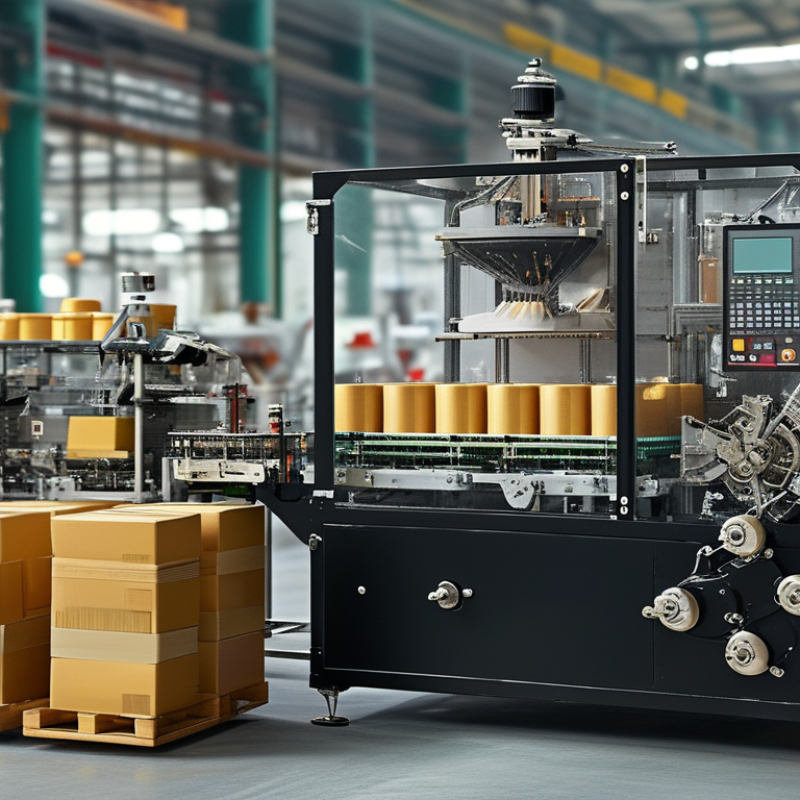
A packaging machine plays a crucial role in the manufacturing and distribution processes. It automates the packaging of products, ensuring they are safely sealed and ready for shipment. According to a recent market report, the global packaging machinery market is expected to reach $55 billion by 2026, growing at a CAGR of 5.5%. This reflects the increasing demand for efficient packaging solutions across various industries.
These machines vary widely in design and application. Some are simple, while others are highly complex, featuring multiple functions within a single unit. For example, a vertical form-fill-seal machine can create bags from a roll of film, fill them with product, and seal them in a continuous process. This specificity enhances production speed but does require regular maintenance and skilled operators to manage them effectively.
While packaging machines optimize workflow, they also impose challenges. Technical malfunctions can lead to production delays and increased operational costs. Furthermore, training personnel to operate these machines can be time-consuming. Continuous advancements in technology can leave some businesses behind if they do not invest in upgrades. Balancing innovation with practical operation remains a pressing concern for many manufacturers.
The Types of Packaging Machines Explained
Packaging machines play a vital role in the manufacturing sector. These machines streamline the packaging process and enhance efficiency. There are various types of packaging machines, each designed for specific functions. Understanding these types can greatly aid businesses in selecting the right equipment.
Form-fill-seal machines are common in the industry. They create packages, fill them, and seal them in one continuous process. According to a recent report, the global form-fill-seal machine market is projected to grow by 4.7% annually. This growth reflects increasing automation in packaging.
Another type is the labeling machine. These machines apply labels to products or packages. They are essential for branding and regulatory compliance. Statistics show that more than 30% of businesses report labeling efficiency as key to their production goals. Despite advancements, some machines face challenges, such as frequent breakdowns or compatibility issues with various product sizes. This highlights the importance of machine selection for optimizing operations.
Types of Packaging Machines and Their Efficiency
This chart illustrates the efficiency of different types of packaging machines as a percentage of their optimal speed. The horizontal flow wrapper and vertical form fill seal machines show the highest efficiency, making them ideal choices for various packaging needs.
Key Components of a Packaging Machine
Packaging machines play a crucial role in various industries, streamlining the packaging process. These machines consist of multiple key components that work in harmony to achieve efficient packaging. A fundamental element is the feeding system, which ensures that products are consistently delivered to the packaging station. According to industry reports, the demand for automated feeding mechanisms has grown by nearly 30% over the past five years, highlighting their significance in increasing productivity.
Another vital component is the sealing mechanism. This part secures the package to prevent contamination. Reliable seals are essential. Without them, products may spoil or leak. Recent studies indicate that improper sealing is responsible for nearly 20% of product returns in the food sector. The choice of sealing technology can directly impact overall efficiency and cost.
Advanced control systems are also critical. These systems monitor the entire packaging process in real time. They help to identify issues quickly, reducing downtime. However, many companies struggle with integrating these systems effectively. Research shows that over 40% of manufacturers report challenges in utilizing data analytics to optimize machine performance. Ensuring all components work together smoothly requires careful planning and ongoing adjustments. This continuous improvement focus might be overlooked in many operations.
How Packaging Machines Operate: A Step-by-Step Guide
Packaging machines play a crucial role in various industries. They ensure products are securely packaged, thus enhancing shelf life and reducing waste. According to the Global Packaging Machinery Market report, the industry is expected to reach $53 billion by 2027, indicating significant growth. This increase highlights the importance of efficient packaging processes across sectors.
Understanding how packaging machines operate involves several key steps. The process begins with product loading, where items are fed into the machine. Sensors detect the product size and adjust accordingly. Next, the machine typically wraps or boxes the product using automated systems. This can include features like vacuum sealing, which can prolong freshness, crucial for food products. Packaging speeds can vary, with some machines capable of processing up to 600 packs per minute.
However, these machines require regular maintenance to avoid malfunctions. Downtime can lead to significant financial losses. Operators must be trained to troubleshoot common issues. A report by Packaging World notes that manufacturers often underestimate maintenance costs, by about 20%. This oversight can lead to inefficiencies. Balancing speed and reliability remains a challenge in the industry, prompting continuous improvements and innovations.
Applications and Benefits of Packaging Machines
Packaging machines are essential tools in various industries. They enhance efficiency and consistency in packing products. From food items to pharmaceuticals, these machines ensure products are well-protected and presentable. Their capabilities extend to filling, sealing, and labeling. With automation, businesses can reduce labor costs and minimize human error.
In the food industry, packaging machines play a critical role. They help maintain food safety and extend shelf life. Machines that vacuum seal or modify atmosphere packaging are crucial in preserving freshness. In pharmaceuticals, accurate dosing and tamper-proof seals are vital for consumer safety. This highlights the importance of precision in packaging processes.
However, reliance on packaging machines does come with challenges. Not every machine fits all products perfectly. Adjustments may be necessary, which can lead to downtime. Regular maintenance is also essential. This can be a burden for smaller operations. Balancing efficiency with operational costs requires careful consideration. The transition to automated packaging is not without its hurdles.
What is a Packaging Machine and How Does It Work? - Applications and Benefits of Packaging Machines
| Machine Type | Application | Benefits |
| Vertical Form Fill Seal (VFFS) | Packaged snacks, pet food | High speed, space-efficient, versatile |
| Horizontal Form Fill Seal (HFFS) | Bakery items, ready-to-eat meals | Improved product handling, enhanced sealing |
| Cartoning Machine | Pharmaceuticals, beverages | Automated cartoning, reduced labor costs |
| Shrink Wrap Machine | Multi-pack items, retail products | Protection from dust and damage, improved shelf visibility |
| Labeling Machine | Bottled beverages, cosmetics | Accurate labeling, branding enhancement |





