What is an Oil Friction Tester and How Does it Work?
Understanding lubrication is crucial in various industries. The Oil Friction Tester plays a key role in this field. This device measures the coefficient of friction for different oils under specific conditions. Accurate data helps engineers and manufacturers improve product performance and lifespan.
Industries rely on this tester for various applications. For example, the automotive sector values these results for fuel efficiency. According to a report by Market Research Future, the global lubricants market could reach $169.09 billion by 2025, reflecting the need for reliable testing.
However, the accuracy of friction tests can vary. Factors such as temperature, surface roughness, and oil composition influence results. Discrepancies in testing conditions may lead to misleading data. Hence, industry experts often emphasize the importance of standardized testing methods. Continuous improvement and validation are vital for maintaining reliability in measurements.
What is an Oil Friction Tester?
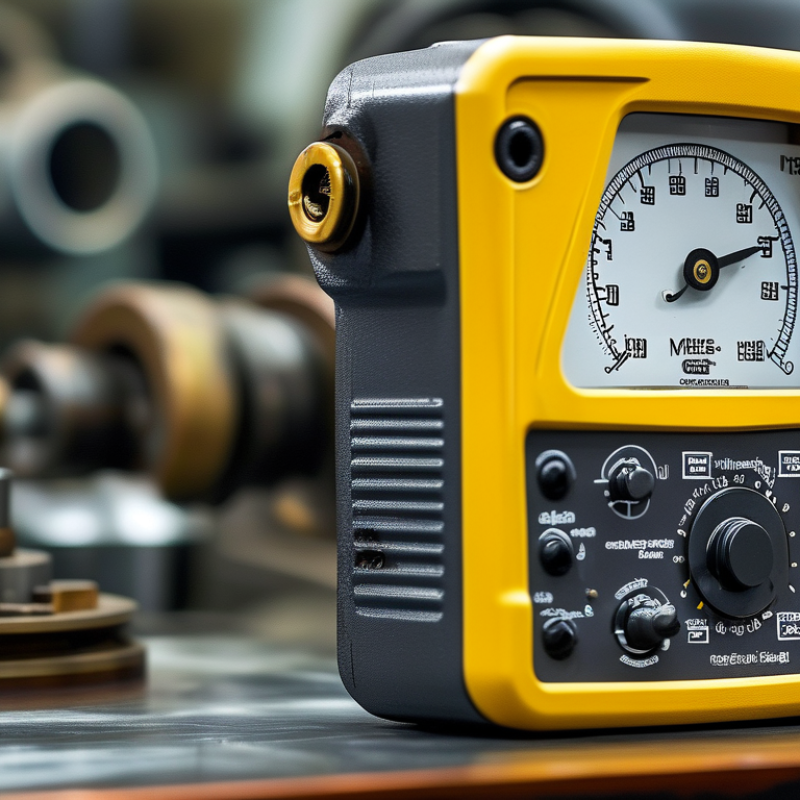
An oil friction tester is a vital instrument used to measure the frictional properties of lubricating oils. These properties significantly impact the performance and longevity of mechanical components. The device primarily measures the coefficient of friction, providing insights into how well an oil can reduce wear during operation.
In operation, the tester often uses a rotating drum and a sample of oil to generate friction. The frictional forces are recorded as the drum rotates at various speeds. This process can simulate different conditions found in machinery. Users must ensure the setup maintains a consistent environment for reliable results. Various factors, like temperature and pressure, influence the readings, potentially complicating the analysis.
Understanding the data from an oil friction tester is crucial for engineers and manufacturers. The results guide the formulation of better lubricants aimed at reducing friction and enhancing efficiency. However, interpretation of these results can sometimes lead to misconceptions about oil performance. Continuous learning and adjusting practices based on findings is essential in this field.
What is an Oil Friction Tester and How Does it Work?
| Feature | Description |
| Purpose | Measure the frictional characteristics of lubricating oils. |
| Operation Principle | Utilizes a rotating shaft immersed in oil to apply load and measure torque. |
| Key Parameters | Coefficient of friction, temperature, and viscosity. |
| Applications | R&D, quality control in automotive, aerospace, and machinery sectors. |
| Benefits | Ensures optimal performance of lubricants, reduces wear and tear. |
| Types | Static, dynamic, and high-temperature oil friction testers. |
Principle Behind Oil Friction Testing
Oil friction testing is crucial in many industries, particularly in automotive and manufacturing sectors. The principles behind oil friction testing focus on measuring the coefficient of friction between lubricants and surfaces. This process helps in evaluating how well a lubricant can reduce friction between moving parts. Accurate testing ensures optimal performance and longevity of machinery.
A recent study indicated that around 40% of machinery failures are linked to inadequate lubrication. Maintaining the right friction levels is vital. Various methods exist, such as the four-ball test, which measures wear scar size on steel balls. The data gleaned from these tests guides engineers in selecting appropriate lubricants for different applications, ensuring efficiency and reducing wear.
Tips: When performing oil friction tests, ensure to maintain consistent temperature and pressure. Small variations can alter results significantly. Additionally, take multiple measurements to ensure reliability. Always adjust your lubricant choice based on specific operational conditions. This careful approach can lead to better machinery performance.
Components of an Oil Friction Tester
An oil friction tester is a specialized device used to measure the friction properties of lubricants. Understanding its components is crucial for accurate testing. These testers typically include a friction measurement system, a heating element, and a control unit.
The friction measurement system consists of a rotating disc and a stationary sample holder. This setup allows for precise contact between the lubricant and materials. The heating element plays a pivotal role in simulating operational conditions. It can elevate temperatures to mimic real-world engine scenarios. A digital control unit monitors the entire process, providing real-time data on friction coefficients.
Despite their advanced designs, oil friction testers can sometimes produce inconsistent results. Variations in sample preparation or environmental conditions may affect outcomes. Users need to critically evaluate these influences. Regular calibration and maintenance of components are essential for reliable data. Understanding these factors is key to leveraging the full potential of oil friction testers in lubricant evaluation.
Steps Involved in Conducting Oil Friction Tests
Oil friction tests are essential for evaluating the lubricating performance of various oils. Conducting these tests involves several important steps. First, a sample of the oil is collected. The collection process must ensure that the sample is free from contaminants. Even small particles can affect the results significantly.
Next, the oil sample is placed in an oil friction tester. This device simulates real-world conditions, measuring the friction between surfaces. The tester applies a specific load while allowing for controlled speed. The readings can change based on temperature, making it critical to maintain consistent conditions. It’s easy to overlook minor temperature fluctuations, yet they can alter results.
Once the test is complete, data analysis begins. This part requires careful attention to detail. Analyzing friction coefficients helps determine the oil's effectiveness. However, interpreting this data can be complex. It is vital to consider all influencing factors. Small adjustments in methodology may lead to different conclusions, highlighting the importance of meticulous testing procedures.
Applications and Significance of Oil Friction Testing
Oil friction testing plays a vital role in various industries, including automotive and manufacturing. It helps determine the lubricating properties of oils under different conditions. This information influences equipment performance and longevity. According to industry reports, effective lubrication can reduce friction by up to 30%, directly impacting energy efficiency.
In the automotive sector, oil friction testing is crucial for engine performance. As engines work, they generate heat and undergo stress. The right oil can mitigate wear and tear, significantly extending engine life. A study published in the Journal of Tribology highlighted that 85% of mechanical failures result from inadequate lubrication. This data stresses the importance of meticulous oil friction testing.
Understanding how various oils behave under stress conditions informs product development. For example, testing can reveal the optimal viscosity for a given application. This knowledge enhances product formulations, leading to improved safety and efficiency. However, not all testing methods yield consistent results. Variations in test conditions can lead to discrepancies, which demands continuous refinement of testing procedures.
Oil Friction Testing Data Analysis
This chart displays the friction coefficient of various oils at different temperatures, illustrating the relationship between temperature and oil performance. Higher friction coefficients may indicate better grip but could also lead to greater wear.





