What is a Nylon Pulley and How Does It Work?
Nylon Pulleys are essential components in various industries. They provide efficient, lightweight solutions for numerous applications. The demand for nylon pulleys has risen significantly, driven by their durability and corrosion resistance. According to a recent industry report, the global pulley market is anticipated to grow by 5.2% annually, highlighting the increasing reliance on nylon materials.
These pulleys are known for their excellent performance under stress. They can operate in high-load scenarios without sacrificing functionality. However, not all nylon pulleys are equal. Some may wear down quickly if used improperly. Understanding the specific requirements of your application is crucial. Misjudging these needs can lead to costly downtime and inefficiencies.
In construction and manufacturing, the demand for nylon pulleys is evident. Their light weight makes transportation and installation easier. Nevertheless, relying heavily on one material could pose risk. Innovations in pulley technology are ongoing. Exploring alternatives while considering nylon’s advantages is essential for long-term operations. Emphasizing quality can ensure a reliable supply chain, ultimately optimizing productivity.
What is a Nylon Pulley?
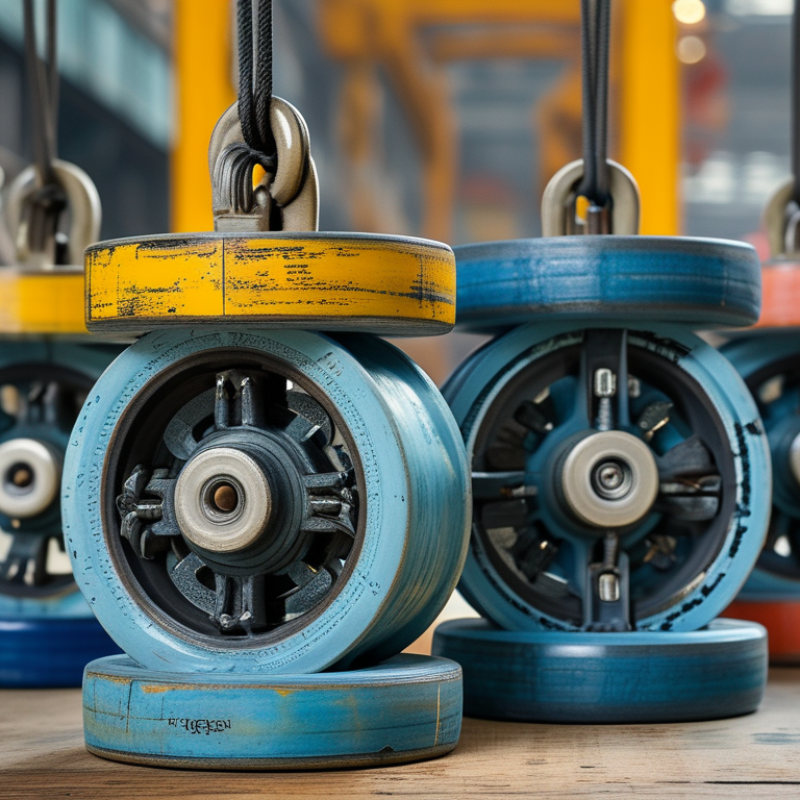
Nylon pulleys are versatile components often used in various applications. They are made from nylon, known for its durability and lightweight properties. This material helps pulleys resist wear and tear over time. Nylon pulleys operate smoothly, reducing friction and allowing for efficient movement. They are particularly useful in systems where weight reduction is essential.
These pulleys come in different sizes and shapes. Depending on the application, they can be used for lifting, guiding, or changing the direction of force. For instance, you might find them in fishing gear, conveyor systems, or even in household appliances. The design allows for easy installation, making them accessible for DIY projects.
There are challenges in using nylon pulleys. While they are strong, excessive weight can cause them to deform. It’s vital to consider the load limits when integrating these pulleys into a system. Regular inspections should be performed to ensure they function properly. Over time, environmental factors, like UV exposure, can also weaken nylon. Maintaining awareness of such issues will improve the longevity and performance of nylon pulleys.
Materials Used in Nylon Pulleys
Nylon pulleys are widely used in various industries due to their unique properties. The material is lightweight and resistant to abrasion. Companies often turn to nylon for its strength-to-weight ratio. According to industry reports, nylon can withstand weights up to 2000 psi. This strength is crucial in applications like elevators and conveyors.
The key materials used in nylon pulleys include polyamide 6 and polyamide 66. These variants provide different strengths and thermal resistance. Polyamide 6 is favored for its toughness, while polyamide 66 has higher heat resistance. Studies have found that polyamide 66 can endure temperatures up to 180°C, making it suitable for high-performance applications.
Despite their benefits, nylon pulleys are not always perfect. They can warp under excessive loads. Moisture absorption can also affect performance over time. Buyers often need to weigh these factors. Even though nylon offers many advantages, understanding its limitations is essential for optimal use.
Mechanism of Operation for Nylon Pulleys
Nylon pulleys serve a variety of applications across industries, from manufacturing to home use. They are lightweight yet strong, making them a practical choice for many mechanical systems. The primary function of a nylon pulley is to redirect force, allowing for smoother movement of ropes or cables. The material choice impacts both performance and longevity. Research indicates that nylon pulleys can endure weight loads ranging from 250 to 1,000 pounds, depending on their size and design.
The mechanism of operation of a nylon pulley involves several key principles. When a rope or cable wraps around the pulley, it creates friction and redirects motion. This allows for an efficient transfer of energy. Additionally, nylon’s low coefficient of friction enables quicker rotations than metal alternatives, reducing wear and tear over time. However, careful consideration must be taken regarding load capacity. Overloading a nylon pulley can lead to failure, sometimes resulting in costly damage or safety hazards.
Manufacturers recommend regular inspections to ensure functionality. Users should assess wear and tear, especially in high-use scenarios. Testing the pulley in various conditions can provide insight into its limits. Understanding these factors is crucial in optimizing performance and ensuring safety.
Common Applications of Nylon Pulleys
Nylon pulleys are widely used in various industries due to their durability and lightweight design. These pulleys excel in applications that require smooth movement and minimal friction. One common use is in outdoor equipment, such as rigging systems for climbing and sailing. Their resistance to wear and ability to handle moisture make them ideal for these tasks.
In industrial settings, nylon pulleys are often found in conveyor systems. They reduce noise and enhance smooth transportation of goods. Additionally, they are employed in packaging machinery, where their lightweight nature promotes efficiency. However, care must be taken to ensure the right size and load capacity. Improper use can lead to wear or even system failure, which can be costly.
In automotive applications, nylon pulleys help in driving belts and other components. They contribute to reducing overall vehicle weight, improving fuel efficiency. Despite their advantages, operators must pay close attention to the environmental conditions. Extreme temperatures can affect their effectiveness. Proper maintenance is key to maximizing their performance.
Nylon Pulley Applications Overview
Advantages and Disadvantages of Using Nylon Pulleys
Nylon pulleys are widely used in various applications due to their unique properties. One significant advantage is their lightweight nature, making them easy to install and manipulate. They also resist corrosion, which is beneficial in harsh environments. These pulleys can handle a range of loads effectively, providing reliable performance in lifting and moving tasks.
However, there are downsides to consider. Nylon pulleys may wear out faster than metal options, particularly under heavy stress. Heat buildup can cause them to deform, compromising their functionality. Additionally, they might not be suitable for high-temperature applications, limiting their use in some industrial settings. Users must evaluate their specific needs before selecting nylon pulleys.
When choosing nylon pulleys, you should weigh the pros against the cons. Consider the operating conditions and load requirements. It’s crucial to prioritize durability and longevity to avoid frequent replacements. Though nylon pulleys offer benefits, it's essential to identify situations where their limitations might impact overall efficiency.





