How Much Does Ningbo to US DDP Shipping Cost?
Ningbo To US DDP Shipping costs are not a single fixed rate. They depend on the cargo, destination, transport mode, and services included in the quote. Under DDP terms, the seller arranges delivery and covers applicable import duties and taxes, so a low headline price may not represent the full landed cost. Check the details.
The scale of ocean freight matters. UNCTAD’s Review of Maritime Transport 2024 reports that ships carry over 80% of world trade by volume. Yet that figure does not predict the price of one shipment. A pallet bound for Los Angeles has different costs from a full container delivered inland to Chicago. Weight, dimensions, fuel-related charges, customs-entry services, and final-mile delivery can all change the total. Even a small mismatch between declared cargo details and the actual shipment may require a revised quote.
Peter Sand, Xeneta’s chief analyst, studies global freight markets and their price movements. His public analysis emphasizes that ocean freight rates can shift with capacity and market conditions. I cannot verify an exact quotation from him on Ningbo-to-US DDP pricing, so I will not present a paraphrase as his words. That distinction matters. This guide instead breaks down the cost drivers and explains which quote items to confirm with your forwarder. Treat any estimate as provisional until the shipment’s specifications and delivery address are clear. A useful comparison includes the same service scope, not just the lowest number.
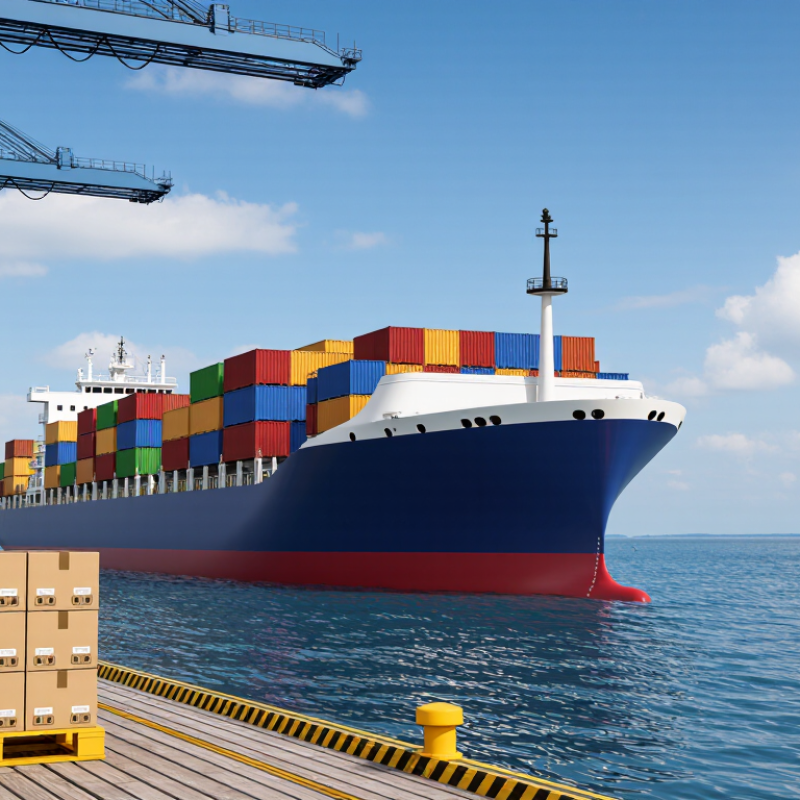
What Ningbo-to-US DDP Shipping Means
Ningbo-to-US DDP shipping means the seller arranges transport from China and takes responsibility for delivery to the agreed US destination. DDP stands for Delivered Duty Paid. The seller generally handles export clearance, international freight, US import clearance, and applicable duties. The buyer receives the goods at the named place, usually ready for unloading. That location matters. Delivery to a warehouse in Los Angeles is not the same service as delivery to a rural address several states inland.
The quoted price may combine pickup in Ningbo, export handling, ocean or air freight, customs brokerage, duties, and US-side delivery. It depends on the shipment’s weight, dimensions, cargo type, transport mode, and final ZIP code. A small change in carton size can affect freight charges. So can a peak-season booking or a remote delivery address. There is no reliable flat rate without shipment details.
A practical quote should show what is included and identify possible exclusions, such as storage, inspections, or unloading. Ask who is listed as the importer and how duty calculations are estimated. A low quote can look reassuring, but a vague delivery point leaves room for surprise charges. DDP sounds simple; the paperwork and handoff can be less tidy.
How Much Does Ningbo-to-US DDP Shipping Cost?
What Ningbo-to-US DDP shipping means—and indicative cost ranges by shipping method
DDP (Delivered Duty Paid) means the seller arranges delivery to the agreed destination and is responsible for import clearance, duties, and applicable taxes. These illustrative planning ranges are per shipment, not live quotes; actual costs depend on cargo details, destination, HS code, declared value, and current rates.
Which Costs Are Included in a DDP Shipment
For Ningbo-to-US DDP shipping, the quoted price usually covers more than ocean or air freight. It may include pickup in Ningbo, export handling, required shipping documents, international transport, and import customs clearance. DDP also assigns the seller responsibility for applicable import duties and taxes, plus delivery to the named US address.
That final address matters. A warehouse with a loading dock may cost less to serve than a residential street with limited truck access. Destination trucking, appointment fees, and extra handling can change the total. Small details matter. Cargo size, weight, transport method, and seasonal capacity also affect the quote. A few cartons and a heavy pallet are not priced the same way.
Ask for an itemized quotation that names the delivery point and lists duties, taxes, customs processing, and local delivery separately. Cargo insurance is not automatically included in every DDP quote, so confirm it in writing. One detail is easy to overlook: storage or inspection-related charges may arise if shipment information is incomplete or customs requests additional review. No estimate can guarantee the final charge without accurate cargo details and a clearly agreed delivery scope.
What Factors Influence the Total Shipping Cost
For Ningbo-to-US DDP shipping, the quoted price is more than the freight charge. It may include export handling, international transport, import clearance, applicable duties and taxes, and delivery to the agreed address. Check the quote’s scope carefully. Two prices can look close but cover different services.
Cargo size and weight affect the rate, especially when a shipment takes up more space than its scale weight suggests. A few bulky cartons can cost more than compact, heavier goods. Shipping by air is generally faster but often more expensive than ocean freight. The final US destination matters too: delivery to a city warehouse may cost less than delivery to a remote address or a location with limited truck access. Timing can shift prices. Peak-season demand and fuel-related surcharges may change a quote before booking.
Clear cargo details make estimates more dependable. Share carton dimensions, gross weight, pickup location, delivery ZIP code, and any special handling needs. Ask whether residential delivery, appointment fees, unloading, or storage are included. Small charges add up. DDP terms generally place import-clearance and duty responsibilities with the seller, but the written quote still needs to spell out its limits. In practice, this is where estimates can feel less tidy; a missing address or inaccurate measurement may require a revised price.
How Shipping Methods Affect Cost and Transit Time
For Ningbo-to-US DDP shipments, the transport method changes both the freight charge and the delivery window. Ocean freight usually suits bulky, non-urgent cargo: allow roughly 25–40 days to the US West Coast and 35–50 days to the East Coast, including handling and inland delivery. These are planning ranges, not guarantees. Less-than-container-load shipments may cost less upfront, but consolidation and warehouse handling can add days. Full-container loads are often more predictable for larger volumes.
Air freight can deliver in about 5–12 days, but its cost depends heavily on chargeable weight and dimensions. IATA has reported that air cargo carries less than 1% of global trade by volume, yet more than one-third by value—one reason speed often commands a premium. Ocean prices also shift. UNCTAD’s Review of Maritime Transport 2024 recorded a 122% rise in the Shanghai Containerized Freight Index between October 2023 and June 2024. Market swings can quickly date a quote.
DDP pricing also includes destination delivery and estimated duties and taxes, so compare complete quotes, not just freight rates. Ask for the same cargo weight, carton dimensions, US ZIP code, and delivery scope on each quote. Small details matter. I would treat any single transit estimate cautiously; port congestion, customs processing, and final-mile scheduling can all change the arrival date.
How Much Does Ningbo to US DDP Shipping Cost? - How Shipping Methods Affect Cost and Transit Time
Indicative planning estimates only, not a binding quotation. Actual DDP charges depend on cargo dimensions and weight, delivery ZIP code, product classification, customs duties and taxes, and current carrier and market rates. | Shipping Method | Typical Cargo | Indicative DDP Cost | Typical Transit Time | How the Cost Is Usually Calculated | Cost and Timing Considerations |
| Sea freight — LCL | Small or medium shipments that do not fill a container | About US$180–$350 per chargeable cubic meter | Approximately 30–45 days | Usually charged by volume, with a minimum shipment charge; destination handling and delivery can affect the total. | Often economical for a few cubic meters, but consolidation and deconsolidation add handling time. |
| Sea freight — 20-foot FCL | Larger shipments requiring a dedicated container | About US$4,500–$8,500 per container | Approximately 25–40 days | Usually quoted per container; final delivery distance, duties, and cargo details can materially change the DDP total. | The per-unit cost can be attractive when the container is well utilized. Port congestion or inland delivery can extend transit. |
| Sea freight — 40-foot FCL | High-volume or bulky shipments | About US$6,500–$12,000 per container | Approximately 25–42 days | Usually quoted per container; destination trucking, delivery access, and customs charges are key variables. | Provides more capacity than a 20-foot container, but is not necessarily the better value for lighter or low-volume cargo. |
| Air freight | Time-sensitive cargo, samples, or higher-value goods | About US$8–$15 per chargeable kilogram | Approximately 5–10 days | Based on the greater of actual weight or volumetric weight; shipment size and delivery location affect the rate. | Much faster than ocean freight, but bulky, lightweight goods can incur high volumetric-weight charges. |
| Express air courier | Documents, samples, and small urgent parcels | About US$10–$20 per chargeable kilogram | Approximately 3–7 days | Typically based on chargeable weight, service level, parcel dimensions, and delivery address. | Usually the fastest option for small shipments; remote-area, oversized-parcel, or special-handling charges may apply. |
DDP note: These broad estimates assume ordinary, non-hazardous goods shipped to a major US metropolitan area and a routine customs entry. DDP means the seller arranges delivery and pays applicable import duties and taxes; the amount cannot be reliably fixed without the product’s HS classification, declared value, country of origin, and current US import rules. Confirm the exact inclusions, delivery ZIP code, and any exclusions in a written quote.
How to Request and Compare DDP Shipping Quotes
To compare Ningbo-to-US DDP quotes, send each forwarder the same shipment details. Include the cargo description, carton count, gross weight, and measurements for every carton. A box measuring 60 × 40 × 35 cm can affect the chargeable volume, even when the goods feel light. Add the pickup location, US delivery ZIP code, and preferred transport method. Small details matter.
Ask for a written breakdown. It should identify origin handling, freight, customs clearance, duties and taxes, and final delivery. Confirm whether residential delivery, liftgate service, or appointment scheduling costs extra. Ask what “DDP” covers in that specific quote, and who handles import documentation. The term is useful, but it does not make every provider’s service identical. Get the quote’s validity period and ask what could trigger a surcharge, such as revised dimensions or a remote delivery area.
Compare the total landed cost, not just the headline price. Check the estimated transit time and whether it starts at pickup or departure. Ask how delays or customs inspections are handled. Keep the answers in writing. I would also recheck the carton measurements before booking; estimates can be wrong, and that mistake can change the final bill. A very low quote may still be reasonable, but unclear exclusions deserve another question.





