What is Needle Roller Bearing and How Does It Work?
Needle Roller Bearings are essential components in many industrial applications. They provide high load capacity and reduced size compared to traditional bearings. According to a report by Grand View Research, the global needle roller bearing market was valued at over $6 billion in 2022 and is projected to grow steadily. This growth reflects their increasing adoption in automotive, aerospace, and machinery sectors.
The efficiency of needle roller bearings is evident in various applications. These bearings support radial loads while allowing for smooth rotation. Their unique design, featuring long, thin rollers, maximizes load-carrying capacity. This aspect makes them indispensable for engineers seeking to enhance machinery performance.
Despite their advantages, needle roller bearings can present challenges. Proper lubrication is crucial to maintain their functionality and lifespan. Failure to lubricate can lead to increased wear and tear. Therefore, users must regularly assess their operational conditions. Continually improving understanding of these components can lead to better durability and reliability in future technologies.
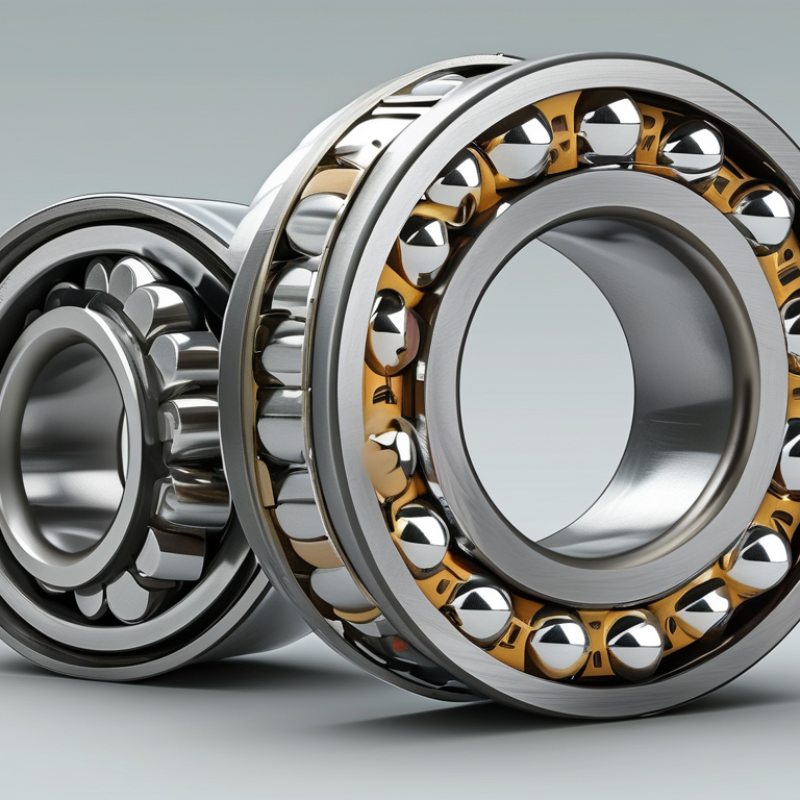
What is a Needle Roller Bearing?
Needle roller bearings are a type of rotary bearing that uses long, slender rollers. These rollers have a smaller diameter than traditional bearings. This design allows for a high load-carrying capacity while occupying less space. Needle roller bearings are commonly utilized in various applications, including automotive and industrial machinery, thanks to their efficiency and compactness.
According to the latest industry data, the global needle roller bearing market is expected to reach $5.8 billion by 2025. This growth indicates a rising demand for lightweight and compact solutions in engineering. The unique structure of needle roller bearings allows them to withstand heavy loads, making them suitable for high-performance applications. Precision is critical here; even minor imperfections can lead to rapid wear and failure.
However, while their advantages are substantial, needle roller bearings can be sensitive to installation errors. Proper alignment and lubrication are crucial for their longevity. Many users overlook maintenance, resulting in premature bearing failure. The balance of performance and durability requires a careful approach, underscoring the importance of ongoing monitoring and regular inspections in real-world applications.
Needle Roller Bearing Load Capacity Comparison
Structure and Components of a Needle Roller Bearing
Needle roller bearings are compact and efficient devices widely used in machinery. Their primary function is to support rotating shafts while minimizing friction. The unique structure of a needle roller bearing includes thin, elongated rollers that are smaller in diameter than traditional rollers. This design allows for a higher load capacity within a limited space.
The main components of a needle roller bearing include the inner ring, outer ring, and the needle rollers themselves. The inner ring fits over the shaft, providing smooth motion and stability. The outer ring houses the needle rollers, which are arranged in a way that distributes loads evenly. This arrangement leads to an effective balance between radial load capacity and space efficiency.
Despite their robust design, needle roller bearings have limitations that can affect performance. Misalignment can lead to uneven wear, which might shorten the lifespan of the bearing. Additionally, if lubrication is insufficient, friction can increase significantly, causing overheating. It’s crucial to regularly inspect these bearings to ensure optimal operation and address any potential issues early. Regular maintenance can enhance their reliability and efficiency.
How Needle Roller Bearings Reduce Friction and Wear
Needle roller bearings are designed to reduce friction and wear in mechanical systems. They accomplish this by using a series of small, slender rollers. These rollers provide a large contact area, which distributes loads effectively. According to a report from the International Journal of Advanced Manufacturing Technology, needle roller bearings enhance performance and reduce operating temperatures by up to 30%.
Lower friction leads to more efficient machinery and longer lifespan. This is particularly critical in applications where space is limited and weight matters. Their compact design allows engineers to incorporate them into tight areas without compromising performance. However, choosing the wrong type or size for a specific application can lead to premature failure. Users should always reference manufacturer specifications or consult an engineering expert.
For best practices, always ensure proper lubrication. This aids in minimizing wear and prolonging the bearing's life. Regular maintenance checks can also help catch issues before they become significant problems. Observing operating conditions can yield valuable insights into performance and longevity, leading to potential enhancements in machinery design.
Applications of Needle Roller Bearings in Various Industries
Needle roller bearings are widely used across various industries due to their unique design and advantages. These bearings are particularly effective in applications where space is restricted. They have a larger surface area and are capable of supporting heavy loads while maintaining low friction. According to a report from the Roller Bearing Industry Committee, the global demand for needle roller bearings is expected to grow by 5.7% annually through 2027.
The automotive and aerospace industries are major users of needle roller bearings. In these sectors, they are often found in gearboxes and transmissions. Their ability to handle high loads and reduce weight makes them ideal for improving fuel efficiency. A study by the International Journal of Engineering Research highlighted that incorporating needle roller bearings can enhance the overall performance of automotive systems by 15% in terms of energy efficiency.
In addition to automotive applications, needle roller bearings are also essential in manufacturing machinery. These bearings reduce operational vibration and noise, leading to a smoother function. However, the lubrication and alignment of needle roller bearings require careful attention. Any oversight can lead to premature bearing failure, which can disrupt production lines. The Journal of Mechanical Engineering emphasizes that regular maintenance is crucial for ensuring optimal performance.
Advantages and Disadvantages of Using Needle Roller Bearings
Needle roller bearings feature thin rollers that allow for high load capacity in a compact design. This unique structure provides various advantages. They excel in reducing friction, which leads to improved efficiency in machinery. Their small size allows for space savings in tight environments, making them ideal for lightweight designs.
However, needle roller bearings have notable drawbacks. They can be sensitive to misalignment, which may lead to premature wear. Installation requires precision to avoid performance issues. Additionally, they may struggle under heavy shock loads, which can reduce their lifespan.
In specific applications, these bearings might need additional lubrication. A lack of proper maintenance can quickly diminish their benefits. Users must consider both the benefits and potential challenges before selecting this type of bearing. Each scenario should be evaluated carefully to maximize performance and reliability.





