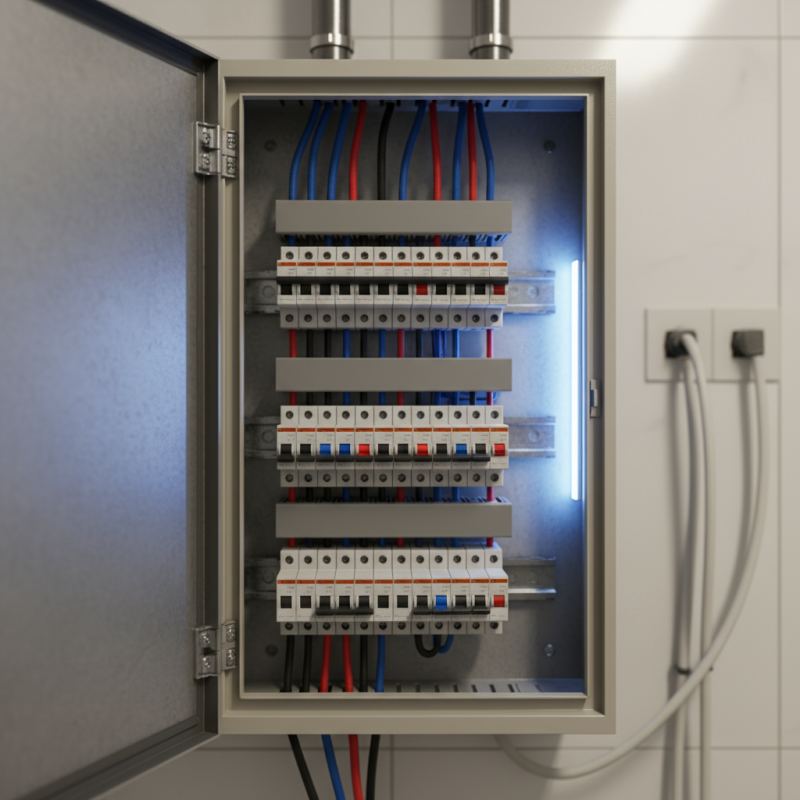
Why Do You Need an AC Power Breaker for Your Electrical System?
In today’s world, reliable electrical systems are crucial for our daily lives. An Ac Power Breaker plays a vital role in ensuring safety and efficiency. Understanding its significance can safeguard your home and appliances.
AC Power Breakers are designed to protect against overloads and short circuits. They act as the first line of defense, preventing electrical fires. Many people overlook them until it’s too late. This lack of awareness can lead to costly damages.
Additionally, using an AC Power Breaker ensures that your electrical system operates smoothly. It helps maintain the safety of your devices. However, not all breakers are created equal, and improper installation can lead to serious issues. Investing in the right breaker and understanding its function can save you both time and money. Awareness and education about these devices are essential for anyone managing electrical systems.
Understanding the Role of AC Power Breakers in Electrical Systems
AC power breakers are crucial components in any electrical system. They serve as protective devices that safeguard your home or business from electrical faults. When an overload occurs, a breaker automatically cuts off the power supply, minimizing the risk of fires or equipment damage. Understanding how these breakers operate can be vital to maintaining a safe electrical environment.
These devices are designed to handle specific voltage and current levels. They are often installed in circuit panels and can be reset after tripping. However, dealing with them requires knowledge and caution. Users might underestimate the complexity involved in choosing the right breaker for their system. Incorrect installation or selection can lead to malfunction, posing serious risks.
Regular testing of breakers is essential to ensure reliability and effectiveness. While it might seem tedious, it is necessary to take a proactive approach. Ignoring routine checks may lead to larger problems down the line. While AC power breakers are designed to function effectively, even they can fail under certain conditions. This highlights the importance of frequent inspections and seeking professional help when needed.
Key Functions of AC Power Breakers in Preventing Electrical Hazards
AC power breakers play a crucial role in safeguarding electrical systems. These devices protect circuits from overloads and short circuits. When excessive current flows, the breaker trips. This action prevents potential fires and equipment damage. Homeowners may overlook this feature, but it is essential for safety.
Many electrical hazards can arise without proper protection. Overheating wires can melt insulation, leading to fires. Breakers act as a first line of defense. They offer an easy way to reset after a trip. However, if a breaker trips frequently, it’s a sign of underlying issues. This could indicate faulty wiring or overloaded circuits. Homeowners should address these problems promptly.
Regular maintenance of AC power breakers can ensure they function properly. Testing breakers every few months can prevent unexpected failures. Ignoring this can lead to severe safety risks. Remember, understanding the importance of these devices protects both life and property.
Importance of AC Power Breakers in Electrical Systems
How AC Power Breakers Enhance Safety in Home and Industrial Settings
AC power breakers play a crucial role in enhancing safety in both home and industrial environments. They act as the first line of defense against electrical faults. When an overload or short circuit occurs, the breaker
trips, cutting off the power supply. This prevents potential fires and protects your devices. The peace of mind it brings is invaluable.
When installing AC power breakers, ensure that they are rated appropriately for your system's capacity. Improper ratings can lead to frequent tripping or failure to trip when needed. Regularly inspect your breakers for signs of wear or damage. This simple practice can prevent larger issues down the line.
Tip: Always label your breakers clearly. It helps in identifying circuits quickly during maintenance. Remember, an organized system enhances safety. Consider using a digital breaker monitor. This tool provides insights into your power usage, helping to detect anomalies early. Each small change can significantly improve safety. Make your electrical system reliable and user-friendly.
Choosing the Right AC Power Breaker for Your Electrical Needs
Choosing the right AC power breaker is crucial for ensuring safety and functionality in your electrical system. The National Fire Protection Association (NFPA) reports that faulty wiring and equipment are leading causes of electrical fires, which account for over 51,000 incidents annually. A suitable AC power breaker can help prevent these incidents by providing adequate protection against overloads and short circuits.
When selecting a breaker, consider the amperage rating that suits your electrical load. The U.S. Department of Energy advises that residential homes typically require breakers rated between 15 to 200 amps, depending on the size and energy needs of the household. Furthermore, understanding the types of breakers—such as single-pole, double-pole, or GFCI—is essential. Each serves different safety functions and meets specific electrical codes.
It’s worth noting that many homeowners overlook the need for regular inspections of their breakers. A recent study found that nearly 30% of households do not check their electrical systems regularly. This neglect can lead to larger problems down the line. Identifying the right breaker is not just about compliance; it's about ensuring lasting safety and reliability for your electrical system.
Why Do You Need an AC Power Breaker for Your Electrical System? - Choosing the Right AC Power Breaker for Your Electrical Needs
| Breaker Type | Voltage Rating (V) | Current Rating (A) | Number of Poles | Common Applications |
| Standard Breaker | 120/240 | 15-20 | Single / Double | General household circuits |
| GFCI Breaker | 120 | 15-20 | Single | Kitchens, bathrooms, outdoor outlets |
| AFCI Breaker | 120 | 15-20 | Single | Bedrooms, living areas |
| Two-Pole Breaker | 240 | 20-50 | Double | Large appliances (e.g. dryers, ovens) |
| Smart Breaker | 120/240 | 15-20 | Single | Home automation systems |
Maintenance and Testing of AC Power Breakers for Optimal Performance
Regular maintenance and testing of AC power breakers is critical. These devices protect electrical systems from overloads and short circuits. Yet, many overlook their importance. Routine checks help identify wear or faults before they lead to failures.
Testing breakers can be straightforward. Ensure the breaker trips as it should under load. Inspect physical connections for corrosion or damage. Visual checks can spot issues that might pose risks. Don't forget to verify the breaker’s label and ratings. These specifics guide your understanding of its capabilities.
Inadequate maintenance can lead to larger problems. A breaker that fails may not trip during an overload. This can result in damaged appliances or fire hazards. Therefore, a proactive approach is essential. Small cracks or shifts in the breaker’s components can signal trouble. Pay attention to these details; they could save time and money later.