


When importing a 100g Mpo Cable, understanding its complexities is crucial. This type of cable offers high-speed data transmission, essential for modern networking needs. Global importers must recognize various factors to ensure a successful purchase.
The first step is to evaluate quality standards. Different manufacturers may have varying certifications, affecting the product's reliability. Importers should prioritize suppliers with a proven track record. In addition, knowing the specific application for the cable can significantly influence the buying decision. Are you looking for durability or flexibility?
Next, consider the technical specifications. The cable's design impacts performance. Importers should seek details about the transmission distance and bandwidth capabilities. However, it’s essential to be aware of the costs. Overly low prices may hint at inferior quality, leading to future complications. Balancing cost with quality is a tricky yet necessary task. Relying solely on one factor can lead to regrets. A thorough understanding of the 100g Mpo Cable market empowers importers to make informed decisions.
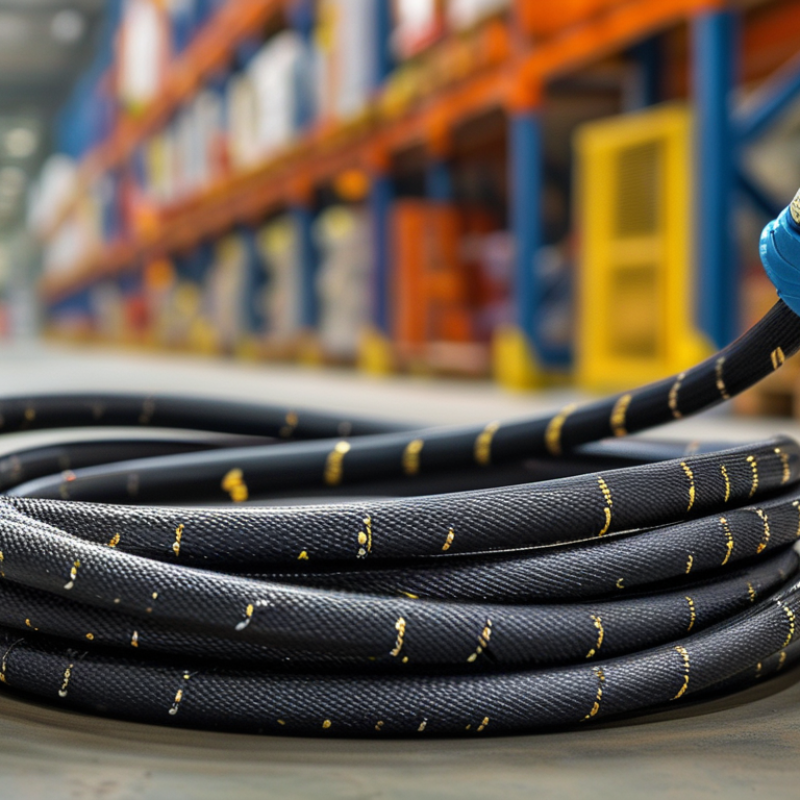
When considering 100G MPO cables, understanding their key features is essential. These cables provide high bandwidth and efficiency. They are critical in data centers and high-speed network systems. The MPO (Multi-fiber Push On) design allows for faster installation. With multiple fibers packed into a single cable, it saves space and reduces cable clutter.
Key specifications include fiber type, max insertion loss, and return loss. OM4 and OM5 multimode fibers are popular choices. They deliver high performance for short distances. Single-mode fibers offer longer reach but at a higher cost. Make sure to check the connector type as well. Common options are LC, SC, and MTP.
Importers should be cautious. Not all cables are created equal. Some may not meet industry standards. This can lead to network failures. Testing cables before deployment is wise. Quality assurance ensures reliability. Invest time in researching suppliers. A trusted vendor can make a difference. Reliability in cables results in efficient networks.
| Feature | Specification | Considerations |
|---|---|---|
| Connector Type | MPO/MTP | Ensure compatibility with existing equipment |
| Fiber Type | Multimode / Singlemode | Choose based on distance and network requirements |
| Cable Count | 8, 12, 24 fibers | More fibers allow for greater scalability |
| Attenuation | 0.35 dB/km (MM) / 0.2 dB/km (SM) | Lower attenuation reduces signal loss |
| Performance Standards | OM3, OM4, OM5 (MM); OS2 (SM) | Select standards based on data rate and distance |
| Jacket Type | LSZH, PVC | LSZH is preferable for fire safety |

When importing 100g MPO cables, finding reliable suppliers is crucial. Start by researching potential suppliers online. Look for companies that specialize in fiber optic technology. Evaluate their websites for professionalism and detailed product information. A well-designed site is often a good indicator of their expertise.
Check for certifications and industry standards. Reliable suppliers should have relevant certifications that demonstrate compliance with international quality standards. Ensure they can provide documentation for their products. Customer testimonials can also shed light on a supplier’s reputation. Reach out to past clients for feedback on their experiences.
Consider the supplier’s communication practices. Quick and clear responses to inquiries show commitment. However, some suppliers may struggle with communication. This can be a red flag. Always ask about warranty terms and return policies. If their terms seem vague, it might be worth considering other options. Remember, a trustworthy supplier will be transparent about their processes.
When evaluating MPO cables, it is crucial to understand the technical standards that define product quality and reliability. MPO cables vary in performance, primarily focused on transmission speed and loss rates. Compliance with international standards, such as TIA and ISO, helps ensure that the cables meet essential performance requirements. Importers must be aware that not all products will meet these benchmarks. Examining certification is key here.
Quality assurance does not end with technical specifications. Compliance with safety standards is equally significant. Look for cables that have been independently tested for fire safety, environmental impact, and durability. Non-compliant cables could lead to severe issues, including project delays or equipment failures. Being vigilant about these standards ensures that you choose reliable products for your network infrastructure. Seek reputable suppliers that can provide you with detailed compliance documentation.
Documentation is often imperfect. Mistakes can occur in technical specifications or compliance certifications. It is essential to verify all information before making a purchase. Asking suppliers about their testing methodologies can reveal potential gaps in their quality assurance processes. This dialogue can bring valuable insights into product reliability. Ultimately, conducting thorough due diligence will mitigate risks associated with importing MPO cables.
The global market for 100G MPO cables has seen fluctuations in pricing. Notably, costs vary significantly between regions. Factors influencing these prices include raw material availability, shipping expenses, and market demand. International importers must analyze their local market trends to make informed purchasing decisions.
Quality also plays a vital role in pricing. Lower-priced cables might compromise on performance and durability. Importers should prioritize cables that meet industry standards. Evaluating supplier reliability is key. Some suppliers offer warranties, which can cushion risks associated with importing.
Despite the complexities, opportunities abound. Emerging markets display potential for competitive pricing. However, staying alert to market trends remains essential. Importers should continuously assess their strategies for optimal returns. Balancing cost with quality demands careful thought and analysis.
When importing MPO cables, logistics and shipping considerations are crucial. International transport can impact costs and delivery times. A report from the International Council on Systems Engineering (INCOSE) highlights that shipping costs have increased by over 30% since 2020. Global supply chain disruptions also affect the availability of these cables. Timely delivery is essential for maintaining project schedules.
Another factor is the packaging of MPO cables. Proper packaging protects against physical damage. According to a study by the Council of Supply Chain Management Professionals (CSCMP), approximately 12% of goods are damaged during transit. Choosing reliable shipping partners can mitigate these risks. Evaluate their track record in handling electronic components to ensure product integrity.
Customs regulations are another important aspect. Importers must understand tariffs and compliance requirements. In some cases, misclassification of MPO cables can lead to costly delays. Researching customs documentation beforehand can streamline the process. Make sure to stay updated on regulations, as they can frequently change. Shipping MPO cables involves navigating various logistics challenges, demanding careful planning and execution.


For those larger-sized parts, or smaller quantity runs, we have 2 independent powder coat booths and ovens. The quality, durability and affordability of today’s powder coating finishes make this the process of choice for world-class companies.
Powder coating advantages over other forms of coating are many. Materials used in the Powder coating process can be metals and non-metals that come in a multitude of thicknesses, textures, colors, etc. Another of Powder coating’s biggest advantages over conventional coatings is its ability to create finishes in many different textures. Powder Coating Booths allow us the ability to apply these advantages to large products.
Tri-State Fabricators runs a full-service conveyor line for painting. Wet painting can provide protection or decoration to many different part styles. From start to finish, every project is easier to undergo random and point-based inspection by our skilled painting team.
Advantages to our Wet Paint Line are these lines start with product prep and ends with a thorough inspection of a high quality finished product. Our ability to complete large and small projects with a superior finish and doing so in a timely and economical fashion. This passes along the savings in production to our customers. When powder coating ins not an option, our Wet Paint Line gets the job done right the first time.
When the parts get big and heavy we roll-out our custom paint racks and oversize booth. By utilizing our partnerships with all the major paint brands, we can match virtually any color with wet paint.
The advantages of having access to a Wet Paint Booth are many. Large projects of many different shapes can be loaded into the booth. The Wet Paint Booth offers an environment that is much more controlled than a typical parts painting operation.
Not only are they used because of their controlled environment, but they’re are also advantageous when it comes to applying paint to parts that are needed in industries that require specialty coatings such as medical, aerospace, etc.
Our military forces have some very high standards when it comes to the finish of their vehicles and equipment. From the first pre-treatment step to final coat, it takes a great deal of knowledge and experience to protect the men and women of our armed forces. They deserve only the best, and Tri-State Fabricators provides it.
All of our processes are closely monitored by our staff and management teams. Both of which are highly trained in the processes of metal fabrication and finishing. Tri-State Fabricators’ goal is to always fully satisfy each and every customer, including the military. We will always put a 110% into what we do.
Abrasive media blasting is an excellent way to remove old paint, rust, and increase the paint/powder adhesion. Glass beads produce a much smoother and brighter finish than angular abrasives; leaving the part clean yet without any dimensional change. Chemically inert and environmentally friendly, we can recycle our beads approximately 30 times; making them a more preferred method of metal cleaning or surface finishing.
Advantages to Glass Bead Blasting are many. Glass bead blast media is used when a project is needing rough surfaces need to become smooth for applications of coatings such as paint. It is typically used to clean paint and rust from a product surface without deforming the surface it is being used on. Overall, compared to many other blasting media, Glass Bead Blasting is a very economical choice and those savings are always passed on to our customers.
Tri-State Fabricators utilize a zinc phosphate wash to clean and etch the material to ensure the best paint adhesion possible. The unique design of our 3-stage wash system does the work like a 5-stage. From Cleaning and rinsing to conversion coating and post-treatment, Our Part Washing process is a complete service and works throughout the fabrication service and the finishing service.
Along with the previously mentioned benefits, Curing is a vital chemical reaction that leaves the product finish hard and relatively safe from mild abrasion and aggressive corrosion. This process can be done in more than one way; ambient air-dry or in curing ovens at temps that exceed 240°.
From fixing paint mistakes (someone else’s of course) to simply cleaning our paint line hooks, our burn-off oven is put to good use. After a quick burn-off, a little clean up, and a fresh coat of paint, your parts will look better than new.
Why does our Burn-Off Oven work so well? Because super heating the air around parts turns the materials into ashes. From paint and powder coatings to rubber and machining oils, high temps do the job without degrading the integrity of the part.
Masking is a vital part of producing high quality products. We have die-cut masking patterns to protect machined surfaces as well as a wide range of plugs and caps to protect threaded holes and bolts. We provide permanent and temporary masking.
Masking allows the selected sections of a product to be protected from a fabrication or finishing service. This can be with both chemicals when etching and tapes, paints when only finishing just a section of the product. Masking is great in aiding the customization process of a project.
Screen printing is a photographic process that transfers artwork onto a porous nylon screen which allows colored ink to flow through the screen and be deposited on an aluminum or plastic component. We can generally have just about any design created onto a screen for your parts.
Some of the advantages of Screen Printing are, brand recognition for your business displaying on your products, assembly instructions, product warnings/hazards, etc. Tri-State Fabricators produces Screen Printing of the highest quality so you know it’s durable.
Metal Finishing is the art of treating the exterior portion of product, often metal but can also be made of other materials, so that the surface is clean and free of any debris. Then the process of applying coats or either paint of powder coat takes place. This coating process improves the quality of the product in both appearance and resistance to wear and corrosion.
Tri-State Fabricators, Inc., understands that a project typically isn’t complete until a high-quality finish has been added to your product. This is why our painting and powder coating teams continuously inspect the products throughout the Metal Finishing process.

