Why are Motors Essential in Modern Applications?
Motors play a pivotal role in modern applications, powering countless devices and systems. According to Dr. Emily Chen, a leading expert in motor technology, "The versatility of motors is key to innovation across industries." This statement speaks volumes about the significant impact motors have on our daily lives.
From household appliances to industrial machines, the application of motors is extensive. They enhance efficiency in processes, making tasks quicker and simpler. For example, electric motors are integral in electric vehicles, providing sustainable solutions to transportation challenges. However, reliance on motors also requires us to examine their environmental footprint and promote responsible usage.
The diversity of motor applications can sometimes lead to neglect in maintenance and optimization. Many users underestimate the importance of understanding motor efficiency and performance. Recognizing these gaps can drive improvements. By addressing these issues, we can harness the true potential of motors in the evolving technological landscape.
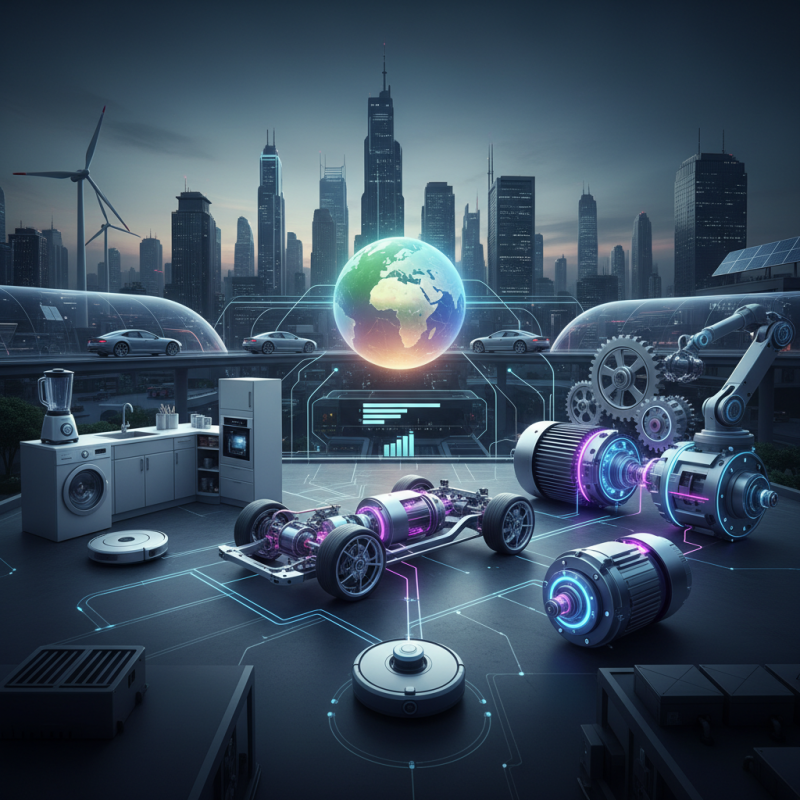
The Role of Electric Motors in Industrial Automation and Robotics
Electric motors are pivotal in the realm of industrial automation and robotics. They convert electrical energy into mechanical energy, facilitating various tasks. These motors drive conveyor belts, robotic arms, and automated assembly lines. Their precise control allows for accurate positioning and movement. This precision is crucial in manufacturing sectors where quality is paramount.
Integrating electric motors into robotic systems enhances efficiency and productivity. They enable rapid movements and continuous operation, reducing downtime. Many industries rely heavily on these motors for tasks that require repetitive actions. However, challenges exist. Ensuring reliability and minimizing maintenance are constant concerns. Motors can fail unexpectedly, leading to production halts and increased costs. Continuous improvement in motor technology is necessary to address these issues.
Moreover, the growing focus on sustainability poses new demands. Users seek energy-efficient solutions that can minimize environmental impact. Electric motors are being designed to meet these needs. Innovations, such as smart motors, are on the rise. Still, their implementation requires expertise and careful consideration. Companies must weigh the benefits against potential disruptions during transition. As the landscape evolves, adapting to these changes becomes essential for success.
Market Trends: The Growth of Electric Motor Usage in Various Sectors
The growth of electric motor usage is reshaping various sectors. According to a report by Allied Market Research, the global electric motor market is projected to reach $192 billion by 2027, growing at a CAGR of 6.2%. This trend suggests a rising reliance on electric motors for efficiency and sustainability. Industries such as automotive, HVAC, and manufacturing are notably integrating electric motors into their processes.
In the automotive sector, electric vehicle (EV) sales have skyrocketed. The International Energy Agency reported that global EV sales rose by 108% in 2021 compared to the previous year. This rapid growth highlights the crucial role of electric motors in reducing greenhouse gas emissions and increasing energy efficiency. However, challenges remain. The integration of electric motors with existing infrastructure presents technical hurdles and requires substantial investment.
Moreover, sectors like renewable energy are also benefiting from this shift. Wind and solar energy systems depend heavily on electric motors for optimal performance. The global push for green technologies underscores the importance of electric motors. However, industry experts caution that reliance on electronics may face supply chain constraints. Balancing demand and supply could be tricky in the coming years, and companies will need to navigate these complexities carefully.
Energy Efficiency: How Motors Contribute to Sustainable Practices
Electric motors play a critical role in promoting energy efficiency in modern applications. These devices convert electrical energy into mechanical energy with minimal waste. The technologies used in motor design have advanced significantly. As a result, they now consume less energy and produce lower emissions. This shift is essential for industries aiming to reduce their carbon footprint.
In manufacturing processes, energy-efficient motors help optimize production. For instance, improved motor designs enable machinery to run smoothly while consuming less power. This change cuts down energy costs and supports sustainability. However, organizations sometimes overlook proper maintenance, which can negate these benefits. Regular checks are crucial for keeping motors in peak condition.
Residential applications also showcase the importance of energy-efficient motors. Energy-saving appliances, like washing machines and refrigerators, often rely on advanced motor technology. These devices may still consume more energy than necessary if not used efficiently. Educating users on proper operation can enhance their efficiency further. Each small effort contributes to broader sustainability goals and reflects our commitment to a greener future.
Why are Motors Essential in Modern Applications? - Energy Efficiency: How Motors Contribute to Sustainable Practices
| Application Area | Motor Type | Efficiency (%) | Contribution to Sustainability |
| Industrial Automation | AC Induction Motor | 90 | Reduces energy consumption, enhancing production efficiency. |
| HVAC Systems | EC Motor | 85 | Lower operational costs and decreased greenhouse gas emissions. |
| Electric Vehicles | Permanent Magnet Motor | 95 | Enhances range and energy efficiency, supporting clean transport. |
| Agricultural Equipment | DC Brushless Motor | 88 | Improves efficiency in irrigation and reduce water waste. |
| Renewable Energy | Synchronous Motor | 92 | Increases efficiency in wind and solar applications, promoting sustainability. |
Innovations in Motor Technology: Advancements Driving Modern Applications
Innovations in motor technology are rapidly shaping modern applications. The latest advancements focus on improving efficiency and performance. New designs, such as brushless DC motors, offer less friction and heat. This leads to longer lifespans for devices. Electric vehicles and renewable energy sources are major beneficiaries of this progress.
Integrating sensors into motors enhances their functionality. Smart motors provide real-time feedback, allowing for better control and automation. Industries now rely on these technologies for precision and reliability. Robotics and automation are evolving, thanks to advanced motors. Yet, challenges remain in optimizing power consumption and cost-effectiveness.
The push for sustainable solutions drives further innovation. Developers are exploring new materials to enhance performance. While the future looks promising, it's crucial to address the complexities of production and integration. Balancing performance with affordability continues to be a debate in the industry. This dynamic landscape holds many opportunities for growth and reflection.
Why are Motors Essential in Modern Applications?
The advancements in motor technology have significantly influenced various modern applications. The chart below illustrates the percentage increase in the use of different types of motors in sectors like automotive, manufacturing, and consumer electronics over the past decade.
The Impact of Motors on Transportation: Electrification of Vehicles and Beyond
The electrification of vehicles has transformed the transportation sector significantly. In 2022, electric vehicle (EV) sales reached 10 million globally, a staggering increase of about 55% from the previous year. This shift indicates a growing confidence in motors, which are now at the heart of modern transportation. Motors power not only electric cars but also e-bikes, buses, and trucks, reshaping urban mobility.
However, challenges remain. The global supply chain for critical components, such as batteries and electric motors, faces disruptions. Reports show that nearly 20% of EV manufacturers experienced production delays due to these issues in 2021. This scenario raises questions about reliability and consistency in motor performance. Efficiency is vital, yet some motors still waste energy, prompting ongoing research into more sustainable alternatives.
Electric motors also play a vital role beyond vehicles. In sectors like aviation and marine, they drive innovations that reduce emissions. A recent report highlights that electric motors in aircraft can potentially lower fuel costs by up to 30% by 2030. Yet, the technology is still in its infancy. There are concerns about the infrastructure needed to support electrification and the longevity of motor technologies. These aspects require careful consideration as we move towards a more electric future in transportation.





