Top 10 Mining Equipment Tips for Global Buyers
In the evolving landscape of the Mining Equipment industry, global buyers face mounting challenges. The International Council on Mining and Metals reports that mining investments are projected to exceed $100 billion this year. This stark growth highlights the need for strategic buying choices. As industry expert Dr. Lisa Chen states, "Effective equipment selection can significantly enhance operational efficiency."
Navigating this complex market requires a keen understanding of equipment performance and technology trends. Buyers must consider not only the equipment's cost but also its long-term value. Reports have shown that choosing the right mining equipment can reduce operational costs by up to 30%. However, many buyers still overlook the importance of this decision.
Attention to detail is crucial. Factors such as equipment durability and supplier reliability can make or break a project. As much as the market offers opportunities, it also presents challenges. Buyers need to reflect on their procurement strategies continually. Recognizing that not all equipment may suit specific mining operations can lead to costly mistakes. Striking a balance between cost and quality should be a priority for every buyer in the Mining Equipment sector.
Essential Factors to Consider When Purchasing Mining Equipment
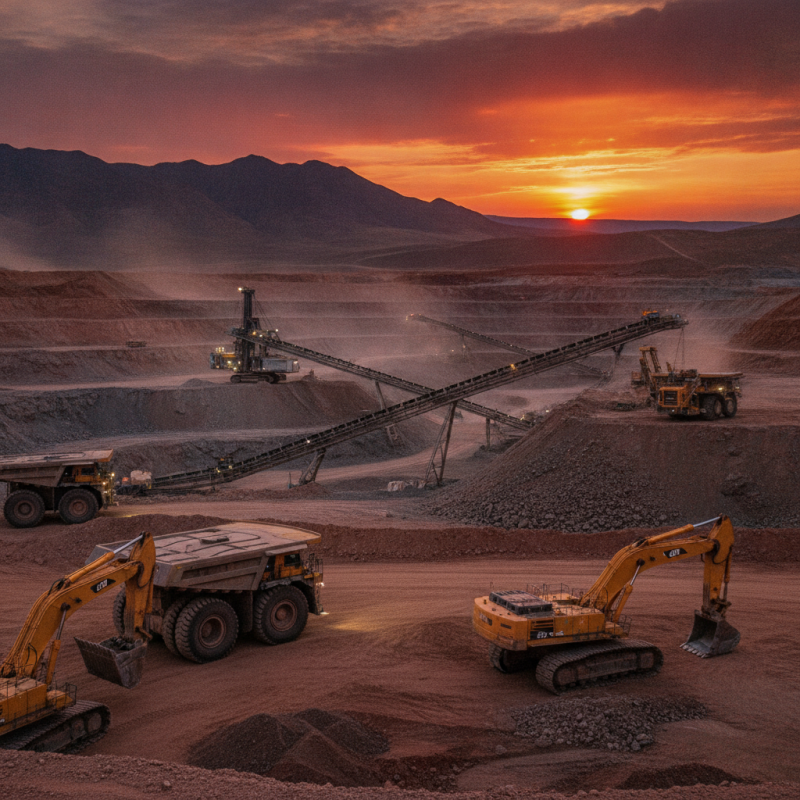
When purchasing mining equipment, buyers should prioritize several essential factors. The equipment's durability is crucial. Harsh operating conditions demand machines that can withstand extreme wear. Consider the materials used in construction. High-quality steel and resilient components enhance longevity. Additionally, assess the equipment’s maintenance requirements. Machines that are complex may lead to more downtime. Simple designs often allow for quicker repairs.
Another vital aspect is technology. Advanced features can improve efficiency and reduce operational costs. Look for equipment that includes automation or enhanced safety features. However, too much technology can complicate operations. Training for personnel is also necessary. Ensure that your team is equipped to handle the new systems effectively.
Cost is a significant factor, but it shouldn't be the only consideration. Initial investments often overshadow long-term expenses. Evaluate energy consumption, maintenance costs, and resale value. A cheaper option might seem attractive, but it can lead to higher costs later on. Balancing price with quality ensures better returns on investment. Always seek expert advice when in doubt. Your choices now will impact future operations significantly.
Understanding Different Types of Mining Equipment and Their Uses
When exploring mining equipment, understanding the different types is crucial for effective operations. Excavators, for example, are essential for digging and moving large volumes of earth. They come in various sizes, impacting their suitability for specific tasks. A smaller excavator might be ideal for tight spaces, while larger machines handle bulkier projects efficiently.
Tips for choosing the right equipment include assessing your mining site.
Examine the site's layout, landscape, and required digging depth. Additionally, consider equipment maintenance needs. Regular checks
prevent costly downtimes and extend machinery life. Do not overlook the operator's skill level. The complexity of certain machines necessitates trained personnel for safe and effective use.
Another vital point is the energy source of the equipment.
Electric machinery may reduce operational costs in some regions. However,
diesel-powered equipment often offers greater mobility, especially in remote areas. Keeping equipment versatile can adapt to various mining conditions, but flexibility can complicate logistics. Balancing these factors requires informed decision-making, which often involves
trial and error.
Evaluating Supplier Reputation and Reliability in the Mining Industry
When evaluating suppliers in the mining industry, reputation is key. A solid reputation often indicates reliability and quality. Look for firms with a track record of successful projects. Check online reviews and industry ratings. Seek testimonials from previous clients as well. These can provide insights not readily available elsewhere.
Another important factor is the supplier's history. Longevity often translates into experience. However, newer companies might offer innovative solutions. Balance these aspects during your selection process. Don't overlook red flags, such as poor communication or delayed responses. These can signal potential issues ahead.
Attend industry trade shows and conferences. Engaging directly with suppliers can help establish personal connections. It's a good way to gauge their commitment. Additionally, ask about their compliance with regulations. Understanding their adherence to safety standards is crucial as well. Supplier reliability can significantly impact your operations. Choose carefully and keep a critical eye.
Top 10 Mining Equipment Tips for Global Buyers - Evaluating Supplier Reputation and Reliability in the Mining Industry
| Tip Number | Evaluation Criteria | Importance Rating (1-5) | Recommended Action |
| 1 | Supplier Audit History | 5 | Conduct thorough audits of supplier's past projects |
| 2 | Customer Reviews and Feedback | 4 | Review online platforms for customer testimonials |
| 3 | Certifications and Compliance | 5 | Verify that suppliers hold necessary certifications |
| 4 | Technology and Innovation | 4 | Evaluate the supplier's investment in new technologies |
| 5 | Customer Support Services | 4 | Inquire about post-purchase support and services |
| 6 | Supply Chain Transparency | 3 | Ask about the transparency of their supply chain practices |
| 7 | Warranty and Guarantee Policies | 5 | Review the terms of warranties offered |
| 8 | Sustainability Practices | 4 | Assess their commitment to environmentally friendly practices |
| 9 | Financial Stability | 5 | Investigate the financial health and stability of the supplier |
| 10 | Global Reach and Logistics | 4 | Check their global distribution capabilities and logistics |
Key Maintenance Practices to Extend the Life of Mining Equipment
Mining equipment plays a vital role in the industry’s efficiency. However, neglecting its maintenance can lead to costly downtimes and reduced productivity. According to a recent industry report, improper maintenance can increase operational costs by up to 30%. Regular check-ups and systematic maintenance routines are essential for longevity.
Implementing basic practices is key. Cleaning equipment regularly can reduce wear and tear. Operators should inspect components weekly, focusing on hydraulic systems and engine parts. A study showed that 73% of equipment failures stem from overlooked components. Simple actions, like tightening loose bolts or replacing filters, can have significant impacts.
Investing in training for operators is another critical area. Knowledgeable personnel can detect issues early. Data indicates that companies with trained teams report 50% fewer equipment failures. Coincidentally, they experience fewer safety incidents. Promoting a culture of maintenance awareness will lead to a more reliable operational environment.
Cost Analysis: Budgeting for Mining Equipment Purchases and Operations
When budgeting for mining equipment purchases and operations, it’s crucial to conduct a thorough cost analysis. Understanding the total cost of ownership (TCO) will help you avoid unexpected expenses. TCO includes purchase prices, operating costs, and maintenance expenditure. Many buyers underestimate ongoing operational costs, which can lead to budget overruns.
Tip: Consider potential financing options early in your purchasing process. Explore leasing versus buying. Leasing can reduce upfront costs but may lead to higher long-term expenses. Assess your operational needs before deciding. Gathering multiple quotes helps you gauge market rates.
Another essential factor is training costs. Operators must be well-trained to maximize equipment efficiency. Poor training can result in accidents and increased downtime. Allocating budget for comprehensive training programs is essential.
Tip: Regularly revisit your financial plans. Market conditions and equipment performance can change. Flexibility in budgeting allows you to adapt and optimize expenses over time. Be honest about your financial limits. Stretching budgets for high-end equipment can backfire if other costs are neglected.





