What Makes Miniature Circuit Breakers Essential for Your Supply Chain?
Miniature Circuit Breakers (MCBs) are crucial components in modern electrical systems. They protect circuits from overloads and short circuits, ensuring safety and reliability. As industry expert Dr. Emily Carter, a leading electrical engineer, notes, “MCBs are the backbone of electrical protection in supply chains.”
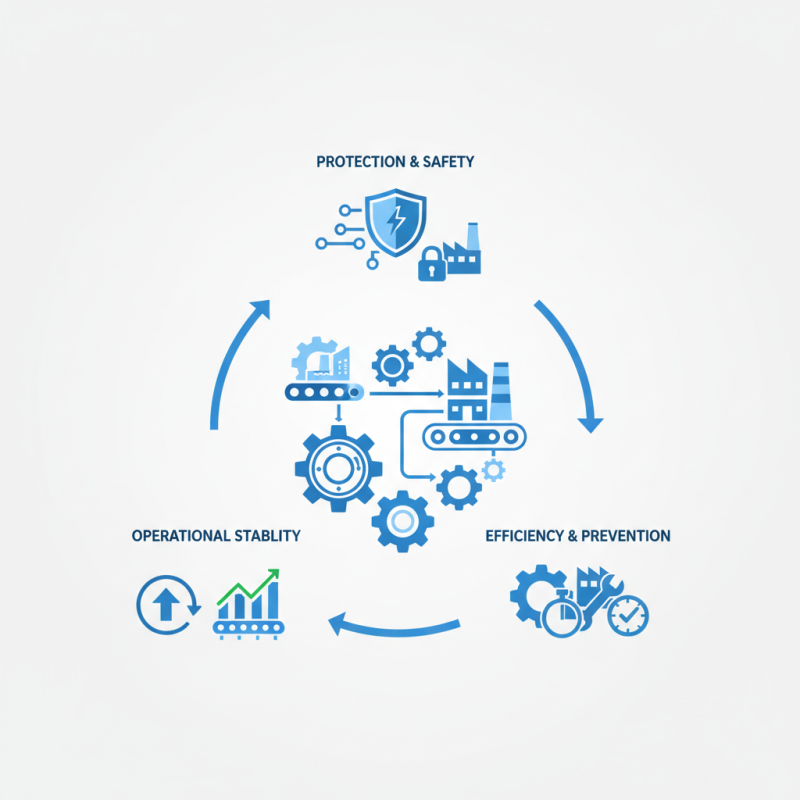
In today's interconnected world, a single failure can lead to significant disruptions. Supply chains depend on electrical systems that operate seamlessly. MCBs provide necessary safeguards, contributing to operational stability. These devices not only prevent equipment damage but also mitigate safety risks. However, many companies underestimate their importance.
Investing in the right MCB technology can enhance your supply chain efficiency. Choosing high-quality MCBs reduces the risk of unexpected outages. This choice supports continuous production and delivery schedules. Yet, businesses often overlook routine maintenance of MCBs. Regular checks can identify issues before they escalate. A proactive approach is essential for leveraging their full potential.
The Role of Miniature Circuit Breakers in Electrical Supply Chains
Miniature Circuit Breakers (MCBs) are vital components in electrical supply chains.They offer protection against overloads and short circuits. When a fault occurs, MCBs quickly disconnect the current. This prevents potential damage to equipment and minimizes fire hazards. Their speedy response is crucial for maintaining safety and efficiency in operations.
In supply chains, reliability is paramount. An unexpected failure can lead to significant downtime. MCBs ensure that systems operate smoothly, limiting interruptions. They are easy to reset after a trip, which saves time. However, it's essential to choose the right type of MCB for specific applications. If incorrectly rated, they might fail to protect the circuit properly.
Training for staff on the proper use of MCBs is often overlooked but is essential. Understanding their limitations is just as important as knowing when they function properly. Regular maintenance checks can also prevent failures. Thoughtful integration of MCBs in electrical designs fosters a resilient supply chain. However, more attention should be paid to their selection and installation processes.
Key Benefits of Implementing Miniature Circuit Breakers
Miniature circuit breakers (MCBs) play a pivotal role in modern supply chains. These devices ensure electrical circuits remain safe and operational. They cut off power when a fault is detected, preventing equipment damage. In a manufacturing setup, this is crucial for maintaining uninterrupted operations. Downtime can cost significant losses. MCBs mitigate these risks by ensuring rapid response to issues.
Implementing MCBs enhances system reliability. They offer precise protection against overloads and short circuits. This reliability fosters trust among supply chain partners. Suppliers can confidently deliver goods, knowing that their electrical systems are protected. Furthermore, MCBs improve energy efficiency. They help in identifying faults early, allowing companies to optimize their power usage.
Despite their advantages, some organizations hesitate to adopt them. They may worry about initial costs or integration challenges. Yet, the long-term benefits often outweigh these concerns. Regular training and appropriate installations can enhance their effectiveness. Investing in MCB technology reflects a commitment to safety and efficiency. Ultimately, businesses need to weigh their choices carefully.
How Miniature Circuit Breakers Ensure Safety and Reliability
Miniature circuit breakers (MCBs) play a vital role in modern electrical systems. They serve as essential components that protect against overcurrent and short circuits. Unlike traditional fuses, MCBs reset automatically after tripping. This feature enhances operational efficiency in a supply chain environment.
Reliability is crucial. MCBs prevent potential electrical fires, which can be catastrophic. An MCB's design allows it to detect faults quickly. When a fault occurs, it interrupts the circuit in a matter of milliseconds. This immediate reaction helps safeguard equipment and ensures a safe working environment.
Safety standards often guide the implementation of MCBs in industrial settings. These break devices are subject to rigorous testing and certification processes. Manufacturers must adhere to specific regulations. However, not all MCBs meet high standards of quality. It is essential to choose MCBs from reputable sources to maintain safety and reliability. Trust is paramount, and the wrong choice could lead to dire consequences.
What Makes Miniature Circuit Breakers Essential for Your Supply Chain? - How Miniature Circuit Breakers Ensure Safety and Reliability
| Feature | Importance for Supply Chain | Impact on Safety | Reliability Metrics |
| Overcurrent Protection | Prevents equipment damage and production downtime | Reduces risk of electrical fires | 99.9% uptime |
| Short Circuit Protection | Avoids catastrophic failures, ensuring smooth operations | Enhances worker safety | Failure rate less than 0.1% |
| Manual Reset Feature | Facilitates easy recovery after a fault | Improves operation continuity | 95% quick recovery |
| Compact Design | Saves space in control panels and systems | Allows for better heat management | Reduced footprint by 30% |
| High Disconnection Capacity | Handles severe overcurrent situations efficiently | Prevents system-wide failures | Rated for up to 25kA |
Choosing the Right Miniature Circuit Breaker for Your Supply Needs
Choosing the right miniature circuit breaker (MCB) is vital for efficient supply chain management. An MCB protects electrical systems from overload and short circuits. Understanding your specific needs will guide your selection process. For instance, consider the voltage rating, current rating, and breaking capacity. Each component plays a crucial role in ensuring safety and reliability.
In practice, assessing your operational environment is necessary. Different applications may require distinct features in an MCB. For example, a residential setup might need MCBs with sensitive trip curves, while industrial setups often require higher capacities. Analyze the unique demands of your system. This reflection can lead to better performance and longevity of electrical systems.
It's essential to stay informed about industry standards and technological advancements. Manufacturers regularly release improved versions of MCBs. However, not every new feature suits every application. Balancing innovation and practicality is key. This balance can ensure that the chosen MCB enhances efficiency without compromising safety or reliability.
Future Trends in Miniature Circuit Breaker Technology and Supply Chains
The future of miniature circuit breaker (MCB) technology is evolving rapidly. Innovations aim to enhance efficiency and reliability. Smart MCBs, equipped with IoT capabilities, will dominate. These devices monitor electricity usage in real time. This development enables proactive management of electrical systems.
Supply chains must adapt to these trends. As MCBs become smarter, logistics will shift. Real-time data will help anticipate demand. This can minimize delays in obtaining critical components. However, companies must also consider potential challenges. Integrating new technologies can be complex. There’s a need for training and adaptation.
Sustainability is another vital trend. Eco-friendly MCBs must become standard in the industry. This shift can reduce waste and improve energy efficiency. Modern supply chains should prioritize these greener options. Companies may face resistance but must navigate these changes. In an evolving landscape, being proactive is essential for future growth.





