Top Uses of Mild Steel Coils in Global Trade Today?
In the current global trade landscape, the demand for mild steel coils is on the rise. Dr. Emily Thornton, a leading expert in metallurgy, emphasizes their importance: “Mild steel coils are indispensable in various sectors due to their flexibility and strength.” These versatile products serve multiple industries, including automotive, construction, and manufacturing.
Mild steel coils are processed into sheets, which can be easily shaped into essential components. For instance, in automotive manufacturing, they are used in producing car bodies and frames. Additionally, their lightweight nature contributes to fuel efficiency. However, the dependence on mild steel coils also brings challenges. Production quality must be consistently monitored to avoid defects that may lead to structural failures.
The global market is witnessing fluctuating demand for mild steel coils. Trade policy and supply chain disruptions impact availability. Companies must navigate these complexities while striving for quality and reliability. As industries evolve, the adaptability of mild steel coils remains crucial. Reflecting on this evolution prompts us to consider the long-term sustainability of our practices in a competitive market.
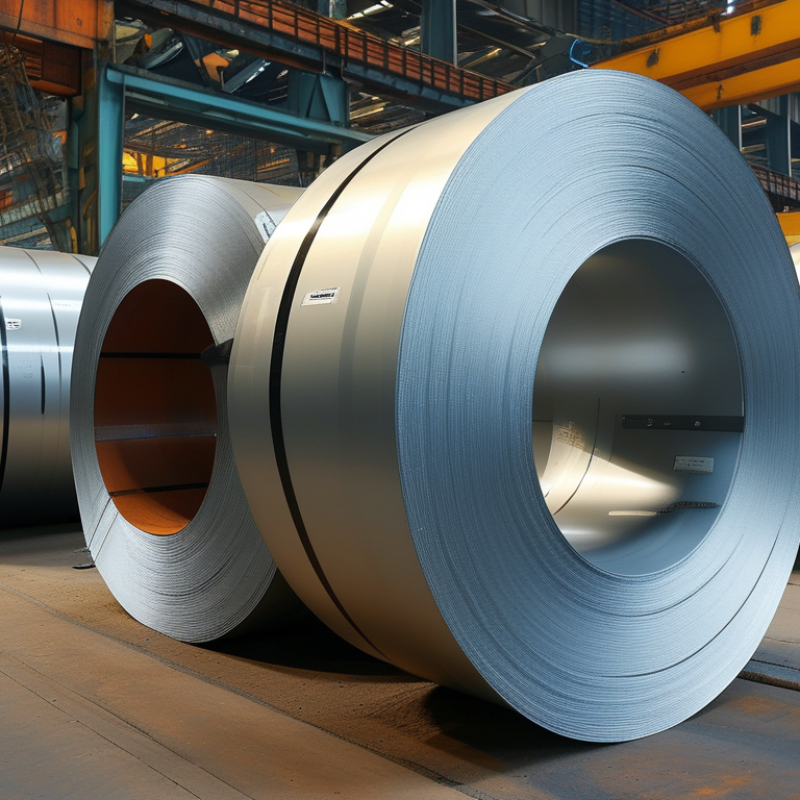
Key Characteristics of Mild Steel Coils and Their Advantages in Trade
Mild steel coils have become essential in global trade, largely due to their unique characteristics. They possess excellent ductility, making them easy to form and shape. This property is crucial as industries seek materials that can adapt to various applications without compromising strength. Additionally, mild steel coils are cost-effective. Their affordability allows companies to manage their budgets effectively while still meeting production demands.
One notable advantage of mild steel coils is their weldability. These coils can be easily welded, which is invaluable in construction and manufacturing. Projects often require quick assembly. Mild steel coils meet this need, allowing for faster completion timelines. However, some users might overlook the importance of proper protection against corrosion, as untreated mild steel can suffer deterioration. Regular maintenance can mitigate this issue and enhance the material's longevity.
Moreover, the availability of these coils in different thicknesses adds to their appeal. This variety enables suppliers to cater to diverse customer preferences. However, ensuring the right thickness for a specific project is critical. Failure to choose appropriately can lead to structural weaknesses. As industries continue to evolve, understanding the characteristics of mild steel coils remains vital for making informed purchasing decisions.
Primary Applications of Mild Steel Coils Across Various Industries
Mild steel coils are widely utilized across various industries, contributing significantly to global trade. The automotive sector is a primary consumer, accounting for nearly 20% of the total mild steel usage. These coils are essential in manufacturing car bodies and components due to their excellent malleability and weldability. The demand for mild steel in automotive applications is projected to grow by 3.5% annually, driven by expanding automotive manufacturing in emerging markets.
Construction is another key area where mild steel coils find applications. The construction industry uses these coils for structural frames and reinforcements. In recent years, nearly 40% of all mild steel used has been for building projects. The rapid urbanization in developing countries is fueling this surge. However, challenges remain, such as fluctuating raw material prices and environmental regulations that impact production processes. This situation pushes manufacturers to innovate while managing costs.
Furthermore, the appliances industry utilizes mild steel coils extensively for producing household items like refrigerators and washing machines. Emerging technologies are squeezing manufacturers to adapt. They face the dual challenge of improving product durability and reducing energy consumption. As industries evolve, the dependency on mild steel coils will shape future manufacturing landscapes, but the balance of cost and quality needs ongoing reflection.
The Role of Mild Steel Coils in the Manufacturing Supply Chain
Mild steel coils play a crucial role in the manufacturing supply chain. They serve as raw materials for various industries, impacting everything from construction to automotive production. Manufacturers rely on the versatility and durability of mild steel. This steel type is easily weldable and formable, making it a preferred choice in many applications.
Tips: Always consider sourcing from reputable suppliers. Quality assurance ensures fewer defects in your final products. Regular checks can save time and costs in production.
Mild steel coils also simplify logistics. They are easy to transport and store, conserving space in warehouses. However, challenges arise in managing inventory levels. Overestimating needs can lead to waste. Companies must adopt strategies that balance supply with actual demand, ensuring efficiency.
Tips: Invest in technology for better inventory tracking. This helps mitigate risks associated with overstock and shortages. Staying updated on market trends can also guide purchasing decisions effectively.
Emerging Trends in the Global Market for Mild Steel Coils
Mild steel coils play a crucial role in the global market today. Emerging trends indicate a growing demand for these materials. The global mild steel coil market is projected to reach $700 billion by 2025, reflecting a compound annual growth rate (CAGR) of 6.5%. This growth is driven by industries such as automotive, construction, and manufacturing.
The construction sector significantly boosts mild steel coil usage, thanks to its durability and cost-effectiveness. Recent reports show that nearly 40% of mild steel coils are now used in building infrastructure. Additionally, the automotive industry has increasingly adopted mild steel for vehicle frameworks and body parts. The focus on lightweight materials is changing manufacturing processes. Sustainability is becoming a priority, pushing manufacturers to explore eco-friendly steel production methods.
Tips: Always evaluate supplier certifications. This ensures product quality and safety. Also, consider market trends. Investing early can provide competitive advantages. Stay updated with industry news and reports for informed decisions. Regular audits of your supply chain can prevent delays and quality issues.
Top Uses of Mild Steel Coils in Global Trade Today
| Application | Percentage of Use (%) | Region | Emerging Trend |
| Construction | 40% | North America | Sustainable building materials |
| Automotive | 30% | Asia Pacific | Lightweight materials |
| Manufacturing | 15% | Europe | Automation in production |
| Shipbuilding | 10% | Middle East | Eco-friendly designs |
| Home Appliances | 5% | South America | Smart home technology |
Challenges and Solutions in the Trade of Mild Steel Coils Today
Mild steel coils have become essential in global trade, widely used for construction and manufacturing. However, their trade faces significant challenges. High tariffs and fluctuating market prices can complicate transactions. These factors create uncertainty for buyers and sellers alike.
Logistical issues often arise in transportation, causing delays. The supply chain for mild steel coils can be complex. Many importers struggle with inconsistent quality from suppliers. These factors can lead to project delays, impacting overall productivity.
Tips: Assess suppliers thoroughly. Ensure they meet quality standards. Establish clear communication with logistics providers. This can help mitigate some of the challenges. Regular audits can maintain quality control during shipments. Building strong partnerships can lead to better negotiation terms and a more stable supply chain.
Market volatility remains a concern. Prices can change quickly, impacting budgets. Businesses must stay informed about trends. Developing a flexible procurement strategy can help manage this risk. It’s crucial to adapt to changing market conditions.





