What is a Micro Switch and How Does It Work?
In the world of automation and control systems, the Micro Switch plays a crucial role. These small devices enable precise operations in various applications, from household appliances to industrial machinery. Expert engineer John Smith states, "A Micro Switch can transform a simple design into a sophisticated control mechanism." His insights highlight the significance of this small but mighty component.
Micro Switches operate through simple mechanical action. When the actuator is pressed, it triggers an electrical signal. This mechanism provides reliability in detecting movement, making them essential in safety systems. The compact size allows for easy integration in tight spaces, but they are not without challenges. Over time, mechanical wear can affect performance, leading to potential issues in sensitive applications.
Understanding the Micro Switch's functionality ensures optimal usage in designs. Many may overlook the importance of these components, yet they are the backbone of automated systems. Even slight errors in their operation can lead to greater problems. Emphasizing quality and regular maintenance is vital for dependable performance.
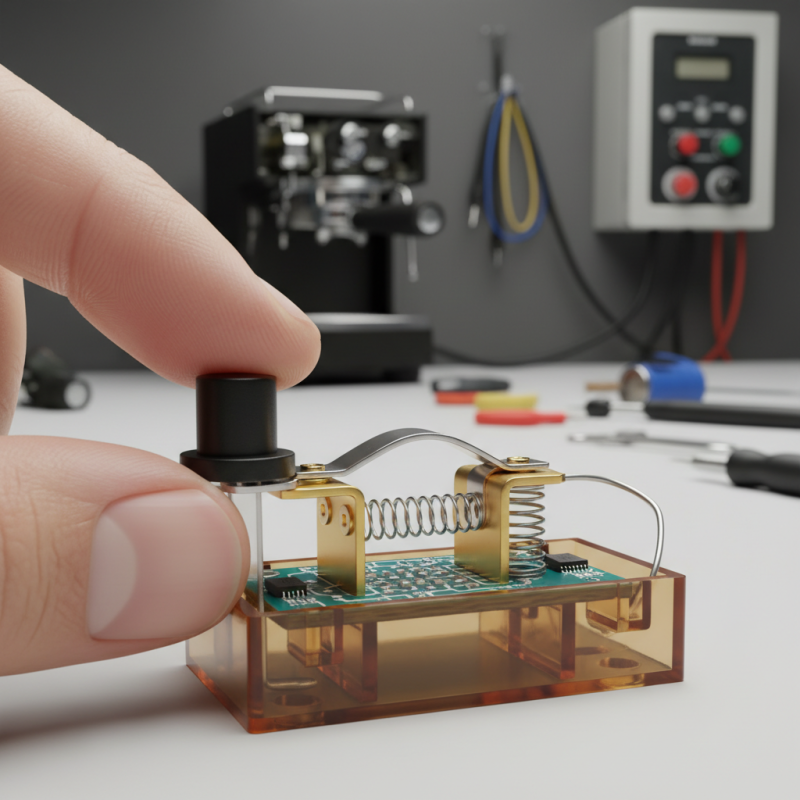
What is a Micro Switch? Definition and Key Characteristics
Micro switches are essential components in various devices. They are small, electromechanical switches that open or close a circuit when pressed. Their design allows for precise control over electrical currents. These switches are widely used in appliances and machinery, providing reliable operation in critical situations.
Key characteristics of micro switches include their compact size and impressive sensitivity. They operate with minimal force, making them suitable for applications where space is limited. The internal mechanism typically involves a lever and a spring, enabling quick actuation. This results in a clear tactile feedback when engaged. Users appreciate their durability, often enduring millions of cycles without failure.
Tips: When selecting a micro switch, consider load requirements and environmental conditions. Make sure it matches the application needs. Additionally, try to understand the mounting options available, as this can affect installation ease and reliability. Remember that proper alignment is crucial for optimal performance. Misalignment may lead to premature wear.
The Working Principle of Micro Switches: An In-Depth Analysis
Micro switches are small, yet powerful devices commonly used in various applications. Their basic design consists of a lever mechanism that activates an electrical circuit when pressed. The key feature is their sensitivity; they can switch on or off with minimal force. This makes them ideal for devices like automatic doors, appliances, and control panels.
The working principle of micro switches relies on a simple yet effective mechanical action. When the lever is engaged, it moves a contact that completes the circuit. This rapid response is essential in automation, where timing is critical. However, their reliability can be impacted by factors like dust or wear over time. Regular maintenance is necessary to ensure they function correctly.
Understanding how micro switches work can help in identifying potential issues. It's essential to look for signs of malfunction, such as inconsistent activation. These insights are valuable for engineers and technicians working in automation fields. A deeper knowledge of micro switch functionality empowers professionals to make informed decisions regarding troubleshooting and replacement.
Common Applications of Micro Switches in Various Industries
Micro switches are crucial components in many industries due to their reliability and sensitivity. They are frequently found in household appliances, such as microwaves and washing machines. These switches are designed to operate with minimal pressure, making them ideal for applications requiring precision. In automotive systems, micro switches enable functions like seatbelt reminders and headlight operations.
In industrial settings, micro switches play vital roles in safety and automation. They are employed in conveyor systems to ensure proper alignment and functionality. When machinery operates, micro switches can detect safety guard positions, preventing accidents. Food processing lines often use them to monitor equipment status, ensuring quality control during production.
Despite their effectiveness, not all micro switches perform flawlessly. In some cases, environmental factors can affect their lifespan and reliability. Dust and moisture can interfere with their mechanics. Regular maintenance is essential to avoid downtimes. Users must be aware of these potential pitfalls, reflecting on how best to integrate micro switches into diverse applications while maintaining optimal performance.
Performance Specifications: Ratings, Lifespan, and Reliability
Micro switches are critical components in many devices, providing precise control and reliable performance. Understanding their performance specifications can help in selecting the right one for your application.
The ratings of micro switches often determine their suitable applications. Typically, they come with ratings ranging from 0.1 to 15 amps. If a micro switch has a higher rating, it can handle more power without failure. Lifespan is also a key factor. Most micro switches are rated for at least a million cycles, while some can last over 10 million cycles in optimal conditions. Reliability is paramount here. Industry studies show that poorly selected switches can lead to operational downtime, costing businesses significantly.
When selecting a micro switch, consider its environmental conditions. For example, temperature extremes can affect performance. Corrosion-resistant materials can extend lifespan in adverse environments.
Tip: Test the micro switch under expected conditions before full deployment. A real-world test can surface issues not evident during initial evaluations.
Remember, cost-cutting on less durable switches can be tempting, but it's crucial to weigh that against potential failures. In the long run, investing in reliable micro switches pays off by reducing maintenance costs and ensuring operational efficiency.
What is a Micro Switch and How Does It Work? - Performance Specifications
| Specification | Value |
| Contact Ratings | 5A @ 125VAC / 3A @ 250VAC |
| Operating Force | 100g - 600g |
| Lifespan | Up to 1 million cycles |
| Temperature Range | -25°C to 85°C |
| Operating Voltage | Up to 250VAC |
| Durability | IP66 (waterproof and dustproof) |
| Actuator Type | Roller, Standard, Pin Plunger |
Future Trends in Micro Switch Technology and Industry Innovations
Micro switches have been a staple in various industries for decades. As innovations continue, future trends show exciting developments in this technology. Smart micro switches are gaining traction. They integrate with IoT systems, allowing for remote monitoring and control. This advancement enhances efficiency and safety in everyday appliances.
Another notable trend is miniaturization. Micro switches are becoming smaller without sacrificing performance. Compact designs can fit in tighter spaces, increasing their application in consumer electronics. However, this trend raises questions about durability and functionality. Smaller components need to maintain reliability under stress.
Furthermore, advancements in materials are essential. The use of eco-friendly materials is becoming more common. This shift contributes to sustainability in manufacturing. However, manufacturers face challenges in balancing cost and performance. Innovation in this area is crucial for long-term growth. Overall, the micro switch industry is at a crossroads. Embracing new technologies while addressing inherent challenges will shape its future.
Micro Switch Usage in Various Industries
This bar chart illustrates the distribution of micro switch usage across different industries. The automotive sector leads with 30%, showcasing the significant role these components play in vehicle systems. Home appliances and industrial equipment follow, highlighting the versatility of micro switches in modern technology.





