What is MHEC Powder and Its Applications in Construction?
mhec powder, or Methyl Hydroxyethyl Cellulose, is increasingly valuable in the construction industry. Dr. Emily Carter, a leading expert in materials science, emphasizes, "MHEC powder is crucial for enhancing the performance of modern construction materials." This versatile compound acts as a thickening agent, providing improved workability and adhesion in various applications.
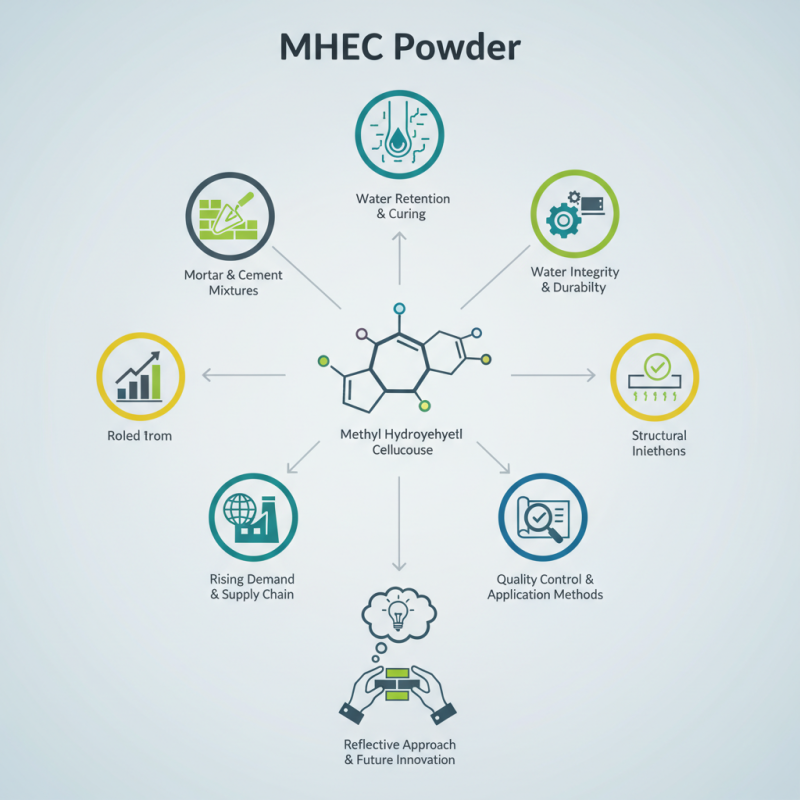
In mortar and cement mixtures, mhec powder ensures consistent texture and prevents segregation. Its presence allows for better water retention, enhancing the curing process. This property is essential for achieving structural integrity and durability in building projects. Despite its advantages, the industry must address potential over-reliance on MHEC powder. As the demand rises, potential supply chain issues and sourcing require careful consideration.
The use of MHEC powder exemplifies innovation in construction materials. While it offers numerous benefits, stakeholders need to remain vigilant about quality control and application methods. A reflective approach can help optimize the use of MHEC powder for future projects, ensuring it meets the evolving needs of the construction sector.
What is MHEC Powder?
MHEC powder, or Methyl Hydroxyethyl Cellulose, is a versatile compound used in construction. It is a cellulose derivative that emerges from natural sources. MHEC powder appears as a white or off-white powder, and it is soluble in water. This solubility is crucial, as it forms a gel-like consistency when mixed. Such properties make it invaluable in various construction applications.
In construction, MHEC powder serves multiple purposes. It acts as a thickener and enhances the workability of mortars, adhesives, and sealants. The use of MHEC helps improve adhesion between surfaces. It also extends the open time of products, allowing for easier manipulation during application. However, while it offers many advantages, some practitioners note challenges in achieving optimal consistency. There can be variations in mixing due to factors such as temperature and water quality. These elements require careful consideration to ensure the desired results.
Chemical Composition and Characteristics of MHEC Powder
MHEC powder, or methyl hydroxyethyl cellulose, is a remarkable additive in the construction industry. This cellulose-based polymer boasts unique properties that enhance construction materials. Its capacity to improve workability and adhesion makes it particularly valuable in the formulation of mortars and adhesives. MHEC powder also offers excellent water retention, which prevents premature drying and allows for extended open time.
The chemical composition of MHEC is crucial to its functionality. It consists primarily of cellulose ethers, which provide good viscosity and flow. MHEC is characterized by its high purity and low impurities, ensuring consistent performance. In many applications, this powder acts as a thickening agent, contributing to the overall stability of mixtures. The ability to adjust viscosity means it can be tailored for specific construction needs.
Despite its advantages, there are some considerations. MHEC can be sensitive to temperature and pH, which may affect its performance. Proper testing and formulation are essential to maximize its benefits. Additionally, as with many chemical additives, there is a need for careful handling and storage to maintain quality. Understanding these nuances can lead to better construction practices and more durable products.
What is MHEC Powder and Its Applications in Construction?
| Property | Value |
| Chemical Composition | Hydroxypropyl Methylcellulose (HPMC) |
| Viscosity Range | 1000 - 200,000 mPas |
| Solubility | Water soluble |
| Appearance | White powder |
| Uses in Construction | Tile adhesives, Plaster, Mortar |
| Benefits | Improved adhesion, Workability, Water retention |
| Environmental Impact | Biodegradable and non-toxic |
Typical Applications of MHEC Powder in Construction
MHEC powder, or methyl hydroxyethyl cellulose, has emerged as a vital additive in the construction industry. This versatile material improves the workability and performance of various construction mixes. Its thickening properties enhance the viscosity of cement pastes, making them easier to handle during application.
One typical application of MHEC powder is in tile adhesives. When mixed with other components, it produces a strong adhesive bond while allowing for adjustment time during installation. This flexibility is crucial on job sites, where precision is key. Additionally, MHEC powder aids in water retention, preventing early drying. This characteristic is particularly valuable in hot or windy conditions.
Another application is in render and plaster formulations. MHEC improves adhesion to substrates and provides a creamy consistency for easy application. This allows for a smoother finish, which is essential for aesthetic purposes. While MHEC offers many benefits, it is important to monitor the mix's properties closely. An excessive amount can lead to difficulty in setting. Balancing the formulation requires expertise and experience.
Benefits of Using MHEC Powder in Building Materials
MHEC powder, or methyl hydroxyethyl cellulose, is a versatile additive in construction. Its benefits significantly enhance building materials, making them more effective. One major advantage is its water-retention properties. This feature ensures that construction materials maintain moisture longer, which is essential for proper curing. This property can lead to increased durability and strength in structures.
Another key benefit of MHEC powder is its ability to improve workability. When mixed with cement or mortar, it provides a smooth consistency. This makes it easier for workers to apply materials uniformly. Additionally, MHEC powder helps in reducing the risk of cracking. However, if not mixed correctly, it can lead to performance issues. Careful monitoring of proportions is necessary.
Economically, MHEC is advantageous for both manufacturers and builders. It allows for the use of less material while achieving superior results. This can result in cost savings. Nevertheless, reliance on MHEC must be balanced with potential downsides. Overuse can sometimes lead to excessive viscosity, making application cumbersome. Proper training and awareness of its properties are crucial for achieving the best outcomes in construction projects.
Benefits of MHEC Powder in Building Materials
Environmental Impact and Safety Considerations of MHEC Powder
MHEC powder, or Methyl Hydroxyethyl Cellulose, plays a significant role in construction. Its effectiveness in enhancing the workability of cement-based materials is well-documented. However, despite its benefits, environmental considerations are crucial.
MHEC is biodegradable and has a low toxicity level. Reports indicate low environmental impact when used appropriately. Yet, improper disposal methods can lead to pollution. The European Bioplastics industry estimates that biodegradable materials could reduce landfill waste by up to 30%. This emphasizes the importance of adhering to environmental safety norms.
**Tip:** Always follow local regulations for material disposal. Effective waste management minimizes adverse effects on ecosystems.
Safety is another major concern. While MHEC poses minimal hazards, fine powders can cause respiratory issues if inhaled. Industry guidelines suggest wearing masks during application. A study by the Occupational Safety and Health Administration shows that proper ventilation can reduce inhalation risks significantly.
**Tip:** Use protective gear and ensure adequate ventilation when working with MHEC. Prioritizing safety protects both workers and the environment.





