What Is a Mezzanine Storage Rack and How Does It Work?
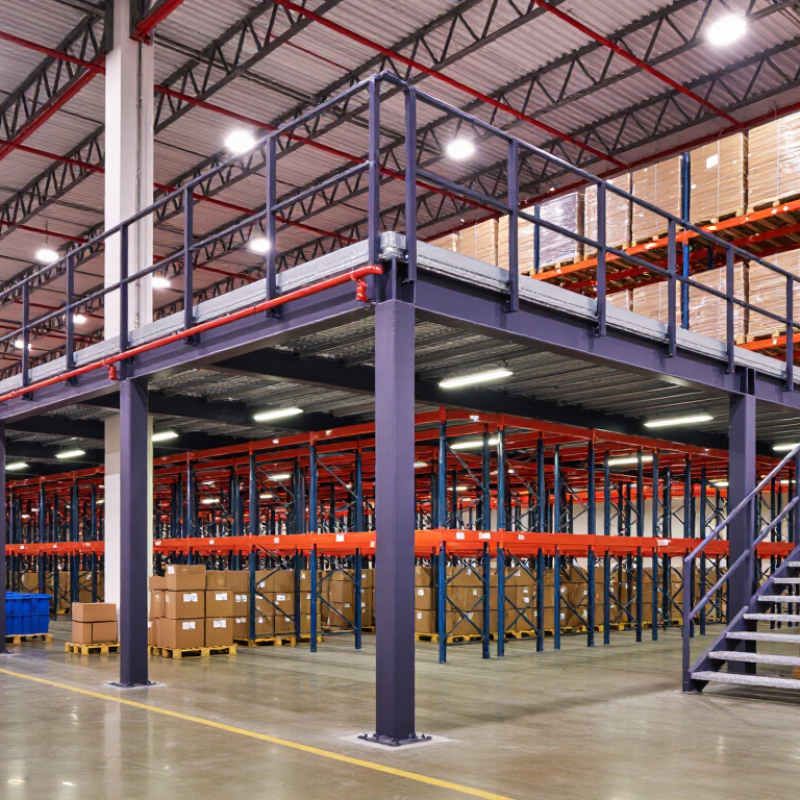
A Mezzanine Storage Rack creates usable storage space above an existing warehouse floor. It combines elevated platforms, rack frames, decking, access stairs, and safety barriers. Instead of expanding outward, a warehouse uses its vertical height more effectively. This can help organize cartons, pallets, spare parts, or seasonal inventory.
In daily operations, workers may pick cartons from the lower level while stored pallets remain above. A forklift can serve suitable areas, but access depends on the rack design and warehouse layout. Professional planning considers ceiling height, floor strength, load capacity, aisle width, and emergency access. Each platform should support its stated weight without unsafe overloading. Guardrails and properly designed gates also reduce fall risks around open edges.
The system works through a carefully connected structure. Vertical columns transfer loads downward, while beams support decking and stored goods. Stairs provide routine access, and controlled loading points support safer material handling. Experienced suppliers normally review site measurements before recommending a configuration. Independent engineering checks may also be valuable, especially in busy facilities or older buildings.
Small details matter.
A poorly placed staircase can slow picking and create congestion. Inadequate lighting may make labels difficult to read. Even a strong rack can perform poorly when workers ignore load limits or change the layout without review. The best solution is not always the largest one. Warehouse conditions change, so regular inspections and honest performance reviews remain important. This guide explains how a Mezzanine Storage Rack works, where it fits, and which practical questions deserve attention before installation.
Definition and Purpose: How a Mezzanine Storage Rack Expands Capacity
A mezzanine storage rack is a raised, steel-supported storage level installed above part of a warehouse floor. It uses vertical space that often remains empty. The structure typically includes columns, beams, decking, guardrails, stairs, and access gates. Unlike a simple shelving unit, it creates a usable upper platform for cartons, spare parts, or slow-moving inventory.
Its main purpose is capacity expansion without immediately enlarging the building. A warehouse with 6-meter clear height may gain a second storage level above packing benches or pallet areas. This can separate reserve stock from daily picking activity.
Space grows upward.
That matters.
In practical planning, the rack must match the building slab, ceiling clearance, load requirements, and handling equipment. A platform holding boxed products needs different support from one carrying palletized goods. Clear aisle widths also affect picking speed and worker movement. I have seen layouts look efficient on paper but feel crowded during busy shifts. That weakness deserves attention. A professional survey should check floor strength, sprinkler clearance, lighting, emergency access, and future load changes. The most useful design leaves room for maintenance and adjustment, not just maximum storage. A mezzanine rack expands capacity, but poor planning can simply move congestion upstairs.
Core Components: Uprights, Beams, Decking, Stairs, and Guardrails
A mezzanine storage rack adds an elevated storage level above a warehouse floor. It uses vertical space without requiring a separate building extension. Uprights transfer loads downward and keep the structure aligned. Their size and spacing depend on stored weight, rack height, and floor capacity. During site inspections, I check for dents, loose anchors, and uneven flooring. Small defects can affect the entire frame.
Beams connect the uprights and support the decking. They must resist both stored loads and movement from forklifts or workers. Decking may use steel panels, grating, or engineered boards. The surface should match the load type and operating environment. For example, open grating improves visibility and drainage, while solid panels prevent small cartons from falling. Incorrect beam spacing can cause visible deflection. That mistake is easy to overlook during installation.
Stairs provide controlled access to the upper level. They need comfortable steps, secure handrails, and enough width for regular traffic. Guardrails protect open edges, while toe boards help stop boxes, tools, and loose materials from sliding below. A practical design also includes gates at loading points. These components work together as one system, not separate accessories. In real projects, drawings may not reflect later changes, so measurements should be verified onsite. A final review should examine connections, clearances, deck condition, and safe working loads. It is not always perfect. Careful follow-up matters.
What Is a Mezzanine Storage Rack and How Does It Work?
A mezzanine storage rack combines vertical uprights, horizontal beams, decking, access stairs, and guardrails to create a safe elevated storage level. The chart shows representative reference dimensions commonly used in warehouse planning; exact specifications depend on the load, layout, and local safety regulations.
How it works: Uprights transfer loads to the floor, beams support the decking, decking forms the usable storage surface, stairs provide access, and guardrails help prevent falls at open edges.
Load Path Explained: From Stored Pallets to the Warehouse Floor
What Is a Mezzanine Storage Rack and How Does It Work?
A mezzanine storage rack creates an elevated storage level above the warehouse floor. Its load path must remain continuous. Each pallet transfers weight to the rack beams, then to the upright frames. Columns carry compression downward through baseplates, anchors, and the concrete slab. Decking also distributes smaller loads across joists and supporting members. The floor receives everything.
The failure point is rarely the pallet alone. Forklift impacts, uneven loading, and repeated movement can change the force pattern. A 1,000-kilogram pallet may create concentrated pressure at only a few beam connections. The slab must resist both vertical compression and local punching forces. The Rack Manufacturers Institute’s design guidance stresses verified capacities, proper bracing, and documented inspection practices. These details matter more than a clean-looking layout.
Industry investment is rising. MHI’s 2024 Annual Industry Report found that 83% of supply-chain professionals planned to increase technology investment, including automation and storage systems. That pressure can encourage denser mezzanines, but density is not strength. OSHA warehouse guidance also emphasizes safe aisles, stable storage, and protection from struck-by hazards. Engineers should verify rack capacity, column reactions, anchor design, slab thickness, and fire protection before installation. A useful review traces one pallet’s force to the floor. If any arrow stops halfway, the design needs another question. Real warehouses are rarely perfect. The drawings may be.
Safety Design: OSHA’s 42-Inch Guardrails and 4-Inch Openings
A mezzanine storage rack adds a raised platform above warehouse floor space. It supports pallets, cartons, or shelving while keeping aisles available below. The structure usually includes columns, beams, decking, stairs, and edge protection. Its safety depends on more than steel capacity. Workers need predictable movement and protection from falls.
OSHA guidance commonly places the top edge of a guardrail at 42 inches, plus or minus 3 inches. This height helps protect workers without blocking normal handling tasks. Guardrails should include a midrail or equivalent protection. Many professional designs also limit openings to less than 4 inches, especially where small tools or body parts could pass through. This detail matters near stairs, platforms, and pallet-drop areas.
A practical inspection starts at floor level. Check loose posts, damaged decking, missing bolts, and gaps beside the rack. A dropped tape measure can reveal an opening that looks harmless from a distance. Pallet gates and loading zones require special attention because workers may approach the edge while moving heavy goods. The 42-inch measurement is not a substitute for engineering review. Local building rules, fall-protection requirements, load ratings, and fire provisions may differ. Treating one standard dimension as universally complete is a mistake. Experienced installers verify the entire system before use and repeat inspections after layout changes.





