What is Metal Hydraulic Formed Bellows and Its Applications?
In the world of advanced engineering, "Metal Hydraulic-Formed Bellows" play a crucial role in various applications. These innovative components are designed to provide flexibility, accommodate movement, and absorb vibrations in machinery. Renowned expert Dr. Emily Stone, a leading figure in the field, once stated, "Metal Hydraulic-Formed Bellows are the backbone of modern hydraulic systems." This highlights their significance in enhancing the efficiency of numerous systems.
Metal Hydraulic-Formed Bellows are often found in industries such as aerospace, automotive, and manufacturing. Their ability to withstand high pressures and temperatures makes them indispensable. However, the manufacturing process requires precision and specialized knowledge, which not all companies possess. Some manufacturers may cut corners, leading to compromised quality.
The functionality of Metal Hydraulic-Formed Bellows also raises questions. While they are efficient, engineers often grapple with their longevity and maintenance challenges. It’s crucial to ensure that these components are produced with the highest standards. Only then can they truly fulfill their purpose in critical applications.
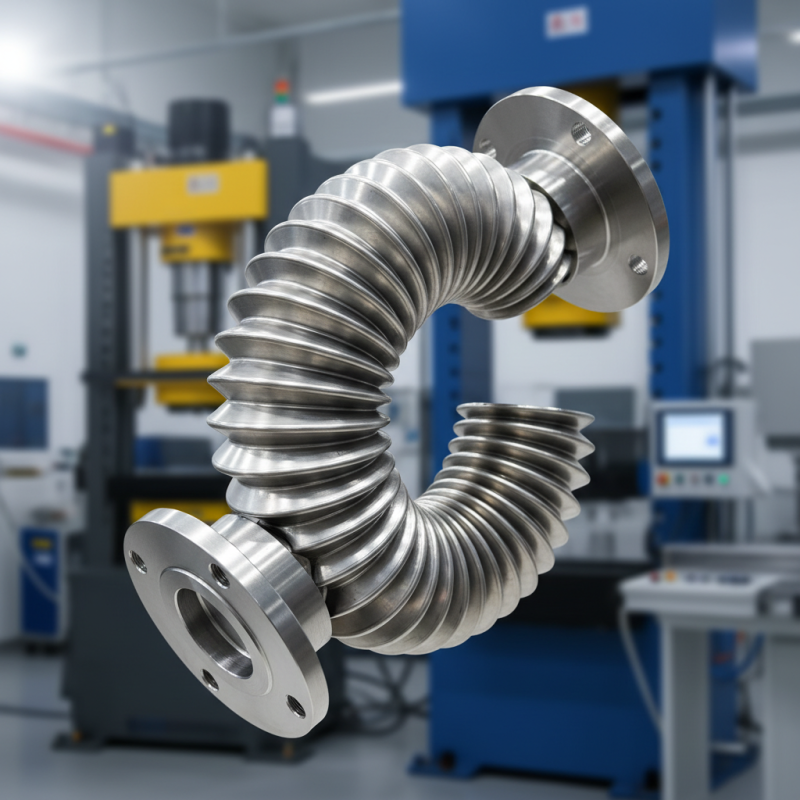
What are Metal Hydraulic Formed Bellows?
Metal hydraulic formed bellows are specialized components that provide flexibility and pressure resistance in various applications. They are engineered from durable metals, typically stainless steel, to withstand harsh environments. These bellows can compensate for axial, angular, and lateral movements in machinery. They function as seals and joints in hydraulic systems, allowing for efficient energy transfer while minimizing leaks.
The manufacturing process involves hydraulic forming techniques, which produce bellows with precise shapes. This ensures they can endure significant pressure and stress. Their design often includes convolutions that enhance their flexibility. However, creating these forms accurately can be challenging. Imperfections in the forming process might lead to weaknesses, affecting performance. Careful inspection is essential to ensure reliability in high-pressure scenarios. When specifying these bellows for applications, it’s crucial to consider the operating environment and required specifications closely.
Metal hydraulic formed bellows have applications in industries like aerospace, automotive, and HVAC systems. They play a vital role in fuel lines, exhaust systems, and hydraulic actuators. Each use case requires careful consideration of the material and shape to ensure optimal performance. Yet, some users face difficulties in selecting the appropriate bellows for specific needs. Understanding the nuances of design and material choice can greatly impact efficiency and durability in these critical situations.
Key Manufacturing Processes for Metal Hydraulic Formed Bellows
Metal hydraulic formed bellows are essential components in various industries. Their manufacturing process includes several critical steps, which ensure functionality and durability. The first step is material selection, often using stainless steel or other alloys. The chosen material must resist corrosion and withstand high pressure. The next step is forming, where sheets of metal are shaped into bellows using hydraulic pressure. This method allows for precise control over dimensions.
Welding is a crucial part of the fabrication process. It involves joining the metal pieces together to create a seamless design. Skilled technicians use precise techniques to ensure strong, leak-proof seams. After welding, the bellows may undergo heat treatment to relieve internal stresses. This step is vital for enhancing overall strength and longevity.
Quality control is another essential aspect. Each bellows undergoes extensive testing. This ensures they meet industry standards and safety regulations. Despite this rigor, the process can still lead to imperfections. Manufacturers must continue refining their techniques. Regular feedback loops can help improve practices and material choices, enhancing overall product reliability.
What is Metal Hydraulic Formed Bellows and Its Applications?
| Dimension | Value |
| Material Type | Stainless Steel |
| Maximum Pressure Rating | 5000 psi |
| Operating Temperature Range | -60°F to 400°F |
| Common Applications | Automotive, Aerospace, HVAC |
| Manufacturing Process | Hydraulic Forming |
| Typical Wall Thickness | 0.020 - 0.080 inches |
| Bellow Shape | Conical, Cylindrical |
Typical Materials Used in Metal Hydraulic Formed Bellows
Metal hydraulic formed bellows are essential components in various industries due to their durability and flexibility. These bellows are primarily made from materials such as stainless steel, copper, and nickel alloys. Each material offers unique properties suited for specific applications. For instance, stainless steel is known for its corrosion resistance, while copper offers excellent thermal conductivity.
A recent market report highlighted that over 30% of metal bellows used in automotive applications are made from high-strength stainless steel. This material allows for reliable performance under high-pressure conditions. In aerospace, nickel alloys are preferred for their ability to withstand extreme temperatures and environments. The choice of material directly impacts the longevity and functionality of the bellows.
Tips: When selecting materials for bellows, consider the operational environment. Evaluate factors like temperature, pressure, and potential exposure to chemicals. These will help ensure optimal performance and safe operation. Always consult with material experts to make informed decisions. Remember, the right choice can significantly affect system reliability and efficiency.
Applications of Metal Hydraulic Formed Bellows in Various Industries
Metal hydraulic formed bellows play a crucial role in various industries. These components are designed to accommodate movement and thermal expansion. Their flexibility allows them to absorb vibrations and offset misalignments. This makes them essential in sectors such as aerospace, automotive, and energy.
In the aerospace industry, bellows are used in fuel lines and pressure systems. According to a study by the Aerospace Industries Association, the demand for lightweight materials has increased, making metal bellows a preferred choice. In automotive applications, they serve in exhaust systems and suspension components. Reports indicate a growing trend towards incorporating these bellows to enhance vehicle durability.
**Tip:** Regular maintenance can extend the life of metal bellows. Inspect for wear and tear, especially in high-stress environments.
In the energy sector, metal hydraulic formed bellows are critical in oil and gas pipelines. They help in mitigating the risks associated with pressure fluctuations. Data from the International Energy Agency shows that around 30% of pipeline failures can be attributed to inadequate flexibility in the system. Understanding the application's specific requirements can lead to healthier operational lifespan and performance optimization.
**Tip:** Choose the right materials for the environment. Corrosive conditions may require special coatings or alloys for longer service life.
Performance Characteristics and Advantages of Metal Hydraulic Formed Bellows
Metal hydraulic formed bellows are vital components in various industries. These flexible structures accommodate movement and pressure variations. They excel in demanding environments, often seen in fluid control and thermal expansion applications. According to a report by Grand View Research, the global bellows market is projected to reach $1.5 billion by 2025, driven by their increasing use in aerospace and automotive sectors.
The performance characteristics of metal hydraulic formed bellows include high durability and resistance to fatigue. They can withstand harsh conditions, including extreme temperatures and corrosive substances. A study from the Journal of Mechanical Engineering found that these bellows maintain integrity under high pressure, making them suitable for applications in oil and gas exploration. Additionally, they offer a compact design, saving space in machinery while providing reliable function.
The advantages of using metal hydraulic formed bellows are significant. They have a long service life, reducing maintenance costs. However, they can be sensitive to installation errors. Even slight misalignments can lead to premature failure. Engineers must consider tolerances meticulously. Regular inspections can help identify issues before they escalate. Balancing performance reliability with careful installation is crucial for optimal operation.
Performance Characteristics of Metal Hydraulic Formed Bellows
This chart illustrates the performance characteristics of Metal Hydraulic Formed Bellows in terms of flexibility, durability, pressure resistance, temperature tolerance, and corrosion resistance. Each characteristic is rated on a scale of 10, highlighting the strong performance of these components in various applications.





