Top Metal Grinding Machine Features You Need to Know?
The metalworking industry is rapidly evolving, and metal grinding machines play a crucial role in this transformation. According to a report by Grand View Research, the global metal machining market is expected to reach $150 billion by 2025. This growth is driven by the increasing demand for precision parts across various sectors. Metal grinding machines, essential for achieving tight tolerances and smooth finishes, are at the heart of this process.
When selecting a metal grinding machine, it is vital to understand key features that enhance performance and productivity. Advanced machines now offer automated processes, improved cooling systems, and enhanced safety features. These innovations lead to higher efficiency and lower operational costs. However, choosing the right machine requires careful consideration of factors like material type and production volume.
It's important to reflect on the adaptability of your equipment. Not all machines can handle diverse applications effectively. Hence, evaluating your current capabilities is essential before investing in new technology. This analysis not only aids in acquisition decisions but also ensures your operations remain competitive and efficient in a demanding market.
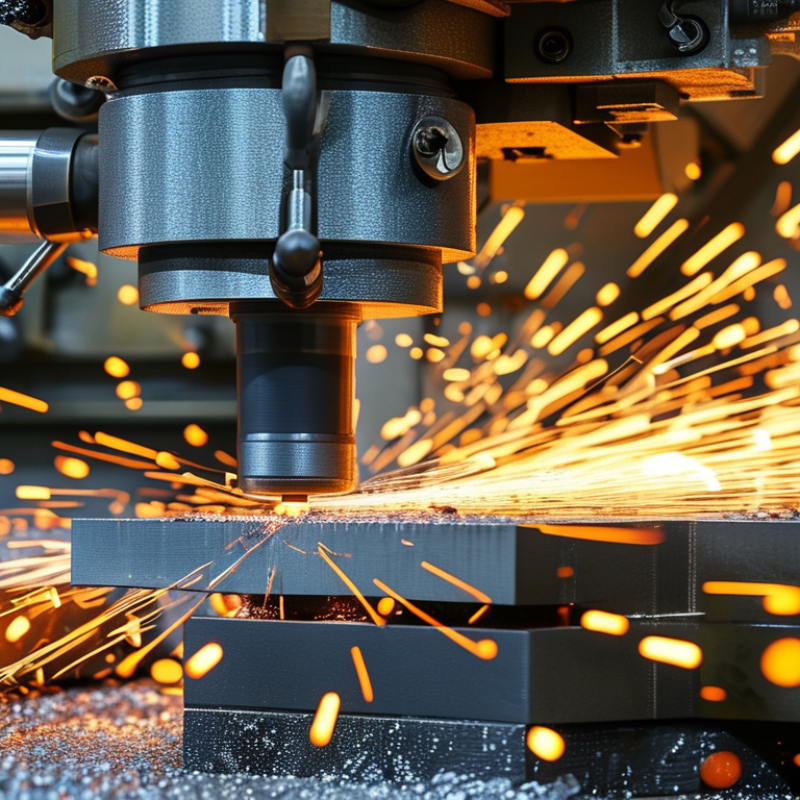
Essential Features of Metal Grinding Machines
When choosing a metal grinding machine, several essential features can significantly impact performance. One crucial aspect is the motor power. A robust motor ensures consistent grinding across various materials. Machines with variable speed settings offer versatility, allowing operators to adjust according to specific tasks. This adaptability can affect the quality of the grind, especially for detailed work.
Another key feature is the precision of the grinding wheel. Quality wheels promote uniformity in finishing. Having the right grit size is essential for achieving desired results. Operators should understand that not every wheel suits every job. This means experimenting to find the ideal match might be necessary. Additionally, the machine's stability plays a vital role. A stable platform minimizes vibrations, leading to more accurate grinding and potentially less wear on components.
Moreover, ease of maintenance is often overlooked. Machines with accessible parts simplify servicing, which can enhance longevity and reliability. Operators must regularly check for wear and tear. Neglecting this can lead to reduced performance and safety hazards. Understanding these features can help users select the right metal grinding machine for their specific requirements.
Types of Metal Grinding Machines and Their Uses
Metal grinding machines play a crucial role in various industries. Understanding their types is essential for effective use. There are several kinds of metal grinding machines, each designed for specific tasks. For instance, surface grinders are ideal for producing flat surfaces. They can achieve fine finishes and tight tolerances, making them a favorite in manufacturing sectors. According to industry reports, surface grinders account for around 35% of the metal grinding market.
Another popular type is cylindrical grinders, which are used to grind the outer surfaces of cylindrical workpieces. This machine offers versatility, capable of handling various diameters, shapes, and materials. The global cylindrical grinding machine market is expected to grow significantly, driven by the rising demand in automotive and aerospace applications. In manufacturing, around 25% of precision parts require cylindrical grinding.
The bench grinder is more compact and suitable for smaller tasks like sharpening tools and cleaning workpieces. However, it often requires a degree of operator skill. While many industries benefit from these machines, they can sometimes lead to inconsistencies in finishes if not used correctly. Regular maintenance and calibration are vital for optimal performance.
Top Metal Grinding Machine Features You Need to Know
Key Specifications to Consider When Choosing a Grinding Machine
When selecting a metal grinding machine, several key specifications come into play. The grinding wheel size is crucial. A larger diameter wheel can remove material more quickly but may require more power. Meanwhile, smaller wheels allow for finer finishes and intricate tasks. Machinists often find themselves torn between speed and precision.
Another essential aspect is the motor power. Machines with higher horsepower can handle tougher materials but might come with increased energy costs. It's not uncommon for users to overlook this factor until it affects their production rates. Consideration of the RPM is also vital. Higher speeds generally result in smoother finishes. Yet, excessive RPM may lead to wheel wear and tear, requiring more frequent replacements.
The machine's build quality should not be ignored. Sturdier constructions can reduce vibrations, leading to better outcomes. However, some users might prioritize lighter models for portability. Balancing these elements often requires reflection on the specific needs of your operations. Ultimately, the choice of features will reflect both your machining goals and your budget.
Safety Features to Look for in Metal Grinding Equipment
When selecting metal grinding equipment, safety should be a top priority. According to industry reports, nearly 45% of workplace accidents in metalworking are attributed to inadequate safety measures. Understanding the essential safety features can significantly reduce these risks.
One crucial aspect is the presence of emergency stop buttons. These features allow operators to halt machinery instantly during emergencies. Additionally, protective guards help prevent debris and sparks from causing injuries. A report from the American National Standards Institute (ANSI) highlights that machines equipped with effective guards reduce the risk of injury by up to 30%.
Moreover, vibration and noise control are often overlooked. Excessive vibrations can not only compromise precision but also lead to long-term health issues for operators. Noise-reducing technologies can mitigate potential hearing damage. Operators should seek machines that offer such controls to ensure a healthier work environment. Still, many facilities neglect these features, leading to ongoing safety concerns.
Top Metal Grinding Machine Features You Need to Know
| Feature | Description |
| Safety Guards | Protective shields that prevent debris from flying out during grinding. |
| Emergency Stop Button | Quickly halts all operations in case of an emergency. |
| Dust Extraction System | Helps in maintaining air quality by removing harmful dust particles. |
| Adjustable Speed Control | Allows operators to select the appropriate speed for different materials. |
| Overload Protection | Prevents the motor from burning out due to excessive load. |
| Vibration Dampening | Reduces vibrations during operation for improved stability and precision. |
| Ergonomic Design | Ensures user comfort and reduces fatigue during prolonged use. |
Maintenance Tips for Optimal Performance of Grinding Machines
Efficient maintenance of grinding machines is crucial for optimal performance. Regular checks can prevent costly repairs and ensure longevity. Start with cleaning the machine regularly. Dust and debris can accumulate, affecting precision. Use appropriate cleaning solutions to avoid damage. Inspect the grinding wheel frequently. Look for signs of wear or cracks. A damaged wheel can compromise safety and performance.
Lubrication is another essential aspect of machine maintenance. Ensure all moving parts have the right amount of lubricant. Too little can cause friction, while too much can lead to buildup. Monitor the temperature of the machine during operation. Excess heat may indicate underlying issues. Pay attention to unusual noises as well; they can signal trouble.
Train your team on proper handling and operation. Even minor mistakes can lead to significant downtime. Implement a routine schedule for inspections. This consistency helps catch issues early. Keep a maintenance log to track services and repairs. A well-maintained grinding machine can enhance productivity and product quality, reflecting the importance of diligent care.





