What is Metal Decking and How Does It Benefit Your Project?
Metal Decking is a crucial component in modern construction projects. It offers a strong, lightweight solution for flooring and roofing systems. According to John Smith, a leading expert in the metal decking industry, “The versatility and strength of metal decking make it ideal for diverse applications.” His insight highlights the growing importance of this material.
Metal decking not only enhances structural integrity but also improves project efficiency. It reduces the need for additional support beams, cutting down on both time and labor costs. When properly installed, it can provide excellent load-carrying capacity. However, improper usage or installation can lead to issues, emphasizing the need for skilled professionals.
As construction technologies evolve, the demand for metal decking increases. Builders are constantly looking for materials that balance durability and cost. Yet, some projects may overlook critical specifications, resulting in potential safety hazards. Understanding metal decking is essential for ensuring successful outcomes in various construction endeavors.
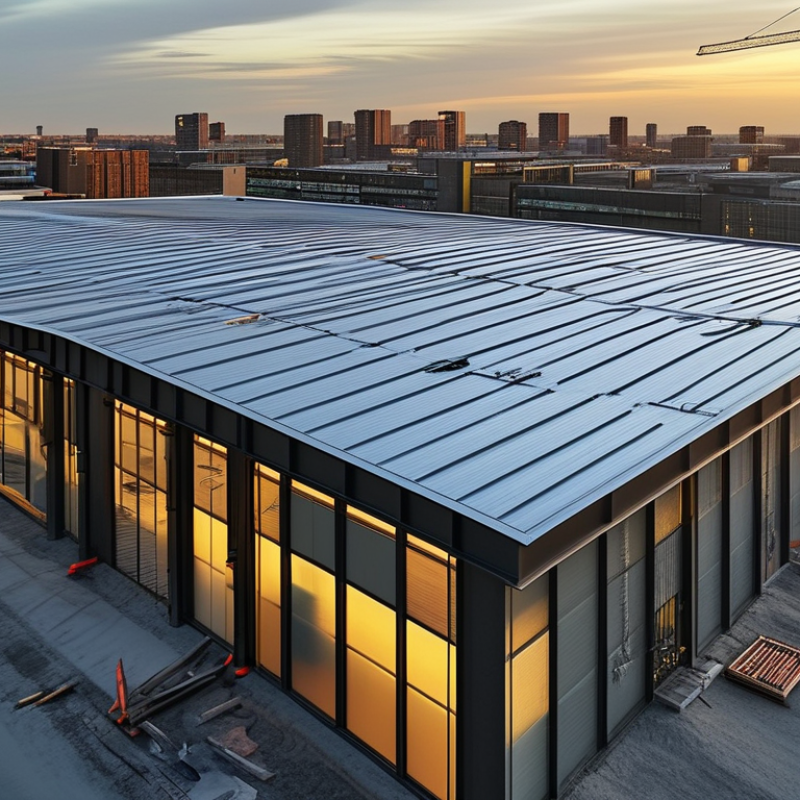
What is Metal Decking? An Overview of Its Definition and Types
Metal decking is a crucial component in construction, providing both structural support and a base for various finishes. It is primarily made from steel and comes in several types, including composite, non-composite, and form deck. Composite decking integrates with concrete for enhanced load capacity, while non-composite options serve as a standalone platform. According to industry reports, steel decking can withstand substantial loads, with some panels rated to handle over 80% of their own weight plus additional live loads.
In terms of application, metal decking is commonly used in commercial buildings, parking structures, and industrial facilities. Its popularity stems from its strength, durability, and resistance to environmental elements. Notably, the global metal decking market was valued at approximately $3.5 billion in 2022 and is projected to grow steadily as construction practices evolve. However, one must be cautious. The installation of metal decking requires skilled labor to ensure safety and performance standards are met.
Understanding the nuances of different decking types is essential for optimizing project outcomes. While some materials may offer certain advantages, others might present challenges in terms of weight or installation complexity. As construction demands continue to change, professionals must be vigilant in their choices, balancing cost, function, and long-term sustainability.
What is Metal Decking and How Does It Benefit Your Project?
| Type of Metal Decking | Description | Benefits | Common Applications |
| Composite Decking | Decking that acts as a structural element contributing to the strength of the slab. | Cost-effective, reduces overall structural weight, and provides good fire resistance. | Commercial buildings, parking garages, and industrial facilities. |
| Non-Composite Decking | Decking that serves as a platform for concrete without being a structural component. | Easy to install, lightweight, and economical. | Residential buildings and warehouses. |
| Roof Decking | Designed specifically for roof structures to provide a stable surface for roofing material. | Durable, resistant to weather, and provides a solid base for insulation. | Flat and low-slope roofs in commercial and industrial buildings. |
| Form Decking | Used primarily to create a form for poured concrete. | Offers superior support during construction and minimizes concrete loss. | Bridges, overpasses, and elevated walkways. |
Key Materials Used in Metal Decking: Composition and Properties
Metal decking is an essential component in modern construction. Understanding its key materials is paramount for any project. Typically, metal decking is made from steel or aluminum, known for their strength and durability. According to industry reports, cold-formed steel sheets make up about 80% of the metal decking market due to their favorable weight-to-strength ratio. This means they can support significant loads while minimizing material use.
The properties of these materials enhance structural integrity. For instance, galvanized steel features a protective zinc coating, which improves corrosion resistance. This is vital in various environmental conditions, ensuring longevity. Aluminum, while lighter, possesses a high strength-to-weight ratio, making it suitable for projects needing less mass. Research indicates that projects using metal decking experience a reduction in overall weight by as much as 30%. However, it’s crucial to recognize that not all metals are suitable for every application. Customization may be necessary to meet specific project requirements.
Moreover, welding and forming techniques can influence the performance of metal decking. Quality control during the material selection and manufacturing stages is essential. Deficiencies in these areas can lead to structural failures or increased costs. Always assess the material source and production methods to ensure reliability and efficiency in your project. Balancing form and function requires attention to detail, especially in selecting the correct type of metal decking.
Benefits of Metal Decking in Construction Projects
Benefits of Metal Decking for Construction Projects: Cost and Time Efficiency
Metal decking has gained popularity in construction for its unique advantages. It is a structural component made from steel, providing a robust framework for floors and roofs. This material is lightweight yet strong, allowing for quicker installation. It also minimizes the need for additional supports. As a result, metal decking can significantly reduce construction time and labor costs.
Cost efficiency is not limited to labor savings. The durability of metal decking means fewer repairs over the building’s lifetime. It typically requires less maintenance compared to traditional materials. Projects using metal decking often see a reduction in overall expenses. However, initially, the upfront costs can be higher. This potential barrier requires careful budget planning and project assessment.
Time efficiency is another key benefit. The speed of installation can lead to earlier project completion. Teams can often complete tasks that traditionally take longer, creating a smoother workflow. Yet, some teams may need to adapt to the specific requirements of metal decking. Training and experience play a crucial role in maximizing its benefits. The combination of these factors makes metal decking a viable option for many construction projects.
Applications of Metal Decking: From Commercial to Residential Structures
Metal decking plays a crucial role in various construction projects, ranging from commercial buildings to residential homes. According to a report by MarketsandMarkets, the global metal decking market is projected to reach $14.2 billion by 2025. This climb indicates a rising interest in efficient building materials. Metal decking offers durability and strength, making it a popular choice for floor and roof systems.
In commercial settings, metal decking is often used for its ability to support heavy loads. Its lightweight nature simplifies transportation and installation, cutting project time. Residential projects also benefit from metal decking. Homeowners are increasingly opting for this material due to its resistance to fire and pests. Features like these make it ideal for single-family housing and multi-unit dwellings.
Yet, while metal decking has clear advantages, projects can face challenges. The initial cost may be higher than wood alternatives. Additionally, installation requires skilled labor to ensure safety and durability. Builders need to weigh these factors carefully. Embracing metal decking can lead to innovative designs and long-lasting structures, but planning is essential.
Installation Process of Metal Decking: Steps and Best Practices
Metal decking offers a robust foundation for various construction projects. Understanding the installation process is crucial for optimal results. The steps involved in metal decking installation can significantly influence the project’s durability and success.
Start by preparing the site. Ensure the foundation is stable and level. Inspect any underlying structures for proper alignment. This step is often overlooked but critical for the decking’s performance. Next, take precise measurements to avoid costly mistakes. An accurate layout minimizes waste and maximizes efficiency.
During installation, use appropriate safety gear. Ensure workers are equipped with helmets, gloves, and safety glasses. A safe work environment fosters productivity and reduces the risk of accidents. When handling metal panels, always lift with care to prevent injuries.
Tips: Double-check measurements before cutting. It's easier to adjust minor errors than to fix major ones. Secure panels tightly to avoid gaps. Gaps can weaken the structure over time. Lastly, communicate openly with your team. This promotes a collaborative atmosphere, which can lead to improvements in the installation process.





