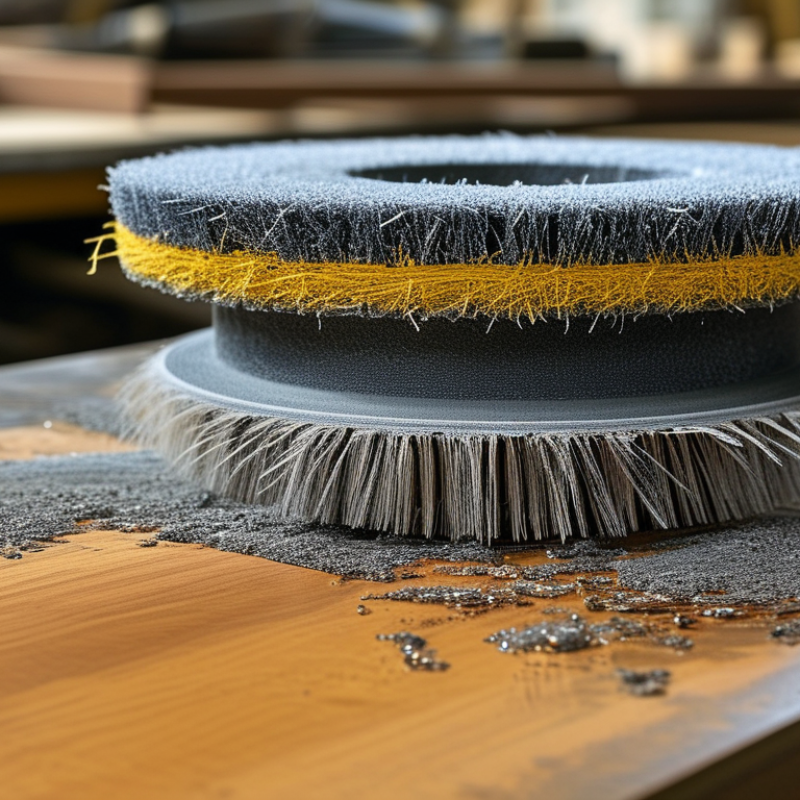
What is Mesh Sand Cloth and How is it Used in Industries?
Mesh Sand Cloth has become increasingly relevant across various industries. This unique material is valued for its durability and effectiveness in sanding surfaces. According to industry expert John Smith, “Mesh Sand Cloth revolutionizes the way we approach surface finishing.” His insights highlight the versatility of this product.
In manufacturing and woodworking, Mesh Sand Cloth is frequently used for sanding and preparing surfaces. Unlike traditional sandpaper, it allows dust and debris to pass through, which results in a cleaner work environment. This feature leads to improved finish quality and helps maintain the health of operators.
Despite its advantages, some challenges exist. Users need to adapt to its use compared to conventional methods. There might be a learning curve, especially in understanding the right applications. Mesh Sand Cloth offers compelling benefits, but successful implementation requires effort and practice.
What is Mesh Sand Cloth?
Mesh sand cloth is an innovative material widely used in various industries, particularly in surface finishing and detailing applications. This cloth features a unique mesh design that allows for effective dust extraction during sanding. Unlike traditional sandpaper, it reduces clogging and extends the life of the tool significantly. Reports indicate that users can see up to 30% longer wear compared to conventional options. This durability makes it a favorite among professionals seeking efficiency.
In the construction and automotive sectors, mesh sand cloth is increasingly utilized for sanding and smoothing critical surfaces. It can effectively remove paint, rust, and other imperfections from surfaces without producing excessive debris. Industry studies suggest that using mesh sand cloth can improve workflow by up to 20%. The open mesh structure aids in cooling the surface, minimizing the risk of damage during the sanding process.
Although mesh sand cloth showcases numerous advantages, it is not without limitations. Some users report difficulties in achieving a finer finish compared to traditional sandpaper. Additionally, the initial cost may deter some individuals or small businesses. However, the long-term benefits often outweigh these drawbacks, making mesh sand cloth a valuable investment for those in need of high-quality sanding solutions.
Composition and Structure of Mesh Sand Cloth
Mesh sand cloth is a unique material designed for various industrial applications. Its composition typically includes a blend of synthetic fibers and abrasive granules. The fibers create a durable backing, while the granules provide the necessary sanding action. This combination leads to effective sanding that minimizes clogging.
The structure of mesh sand cloth features numerous small openings. These openings allow dust and debris to escape during use. This characteristic enhances the cloth's lifespan and overall effectiveness. Additionally, the flexibility of the cloth facilitates sanding on curved surfaces, making it a versatile tool for different industries.
Tip: Always assess the specific sanding needs before choosing the mesh sand cloth.
In terms of reliability, this material is preferred for tasks requiring precision. However, some users report that it may wear down faster than non-mesh alternatives. Frequent checks during use can help identify when replacement is needed.
Tip: Use adequate pressure while sanding to avoid premature wear.
Understanding the composition and structure reveals why mesh sand cloth remains popular in industrial settings. Its efficiency is evident, yet careful selection is crucial. Users should remain aware of their sanding habits to ensure optimal performance.
Common Applications of Mesh Sand Cloth in Various Industries
Mesh sand cloth is a versatile abrasive material used in various industries. Its open mesh structure allows for efficient dust extraction while sanding. This unique feature enables workers to achieve cleaner surfaces without clogging the material. The result is a smoother finish, which is crucial in many applications.
In the woodworking industry, mesh sand cloth is favored for its durability and performance. Craftsmen use it for sanding wood surfaces, especially in finishing processes. Metalworking also benefits significantly. It helps with deburring and polishing metal parts effectively. This cloth is effective in achieving desired surface textures, though it can wear out faster under heavy use.
Automotive repair shops frequently utilize mesh sand cloth for bodywork. It enables a quick removal of old paint and prepares surfaces for new coatings. Despite its advantages, some users find the initial cost higher than traditional sandpaper. It may also require adjustments during use, but the results can justify the effort. Understanding these nuances is essential for maximizing its benefits across different industries.
Advantages of Using Mesh Sand Cloth Over Traditional Sandpaper
Mesh sand cloth is revolutionizing the way industries approach surface finishing. Unlike traditional sandpaper, mesh sand cloth offers superior dust extraction and durability. Research indicates that mesh products can increase productivity by up to 30% in high-volume production settings.
The design of mesh sand cloth allows for better airflow. This prevents clogging and ensures consistent performance. In studies, users reported a 25% longer lifespan compared to sandpaper. This efficiency reduces material consumption, promoting sustainability in manufacturing processes.
Tip: When using mesh sand cloth, ensure your sanding machine is compatible for optimal results.
The flexibility of mesh sand cloth enables it to conform to various shapes. This adaptability is crucial in industries like automotive and aerospace, where precision is vital. However, some users find the transition to mesh challenging. Familiarization with new techniques may be necessary, as the feel differs from traditional sandpaper.
Tip: Start by using mesh sand cloth on less critical surfaces to build confidence.
While mesh sand cloth offers distinct advantages, it may not be the best fit for every application. Some users still prefer sandpaper for specific tasks. It's essential to evaluate your needs and consider a combination of both products for diverse projects.
Maintenance and Disposal of Mesh Sand Cloth Products
Mesh sand cloth is a valuable tool in many industries, particularly for surface finishing and preparation. However, maintaining and disposing of these products is crucial. Regular cleaning can enhance longevity. After use, it’s essential to remove dust and debris. This practice not only improves performance but also keeps the workspace tidy.
Disposal of mesh sand cloth requires careful consideration. These materials are often made from synthetic fibers, which may not decompose easily. Therefore, recycling options should be explored first. Some facilities provide dedicated bins for such materials. It’s important to avoid throwing them in regular trash. Ensuring proper disposal protects the environment and complies with local regulations.
Improper disposal may lead to adverse effects on natural ecosystems. It is vital for industries to educate employees on best practices for disposal. Additionally, rethinking usage can reduce waste. Adopting a mindset focused on sustainability fosters a culture of responsibility. Engaging in discussions about these practices can highlight areas for improvement.