What is a Mechanical Flange and How to Choose One?
In the world of mechanical engineering, the term "Mechanical Flange" holds significant importance. These components are crucial for connecting pipes, valves, and other equipment in various industries. According to a recent report by MarketsandMarkets, the global pipe fittings market, which includes flanges, is projected to reach USD 47.1 billion by 2025, reflecting a robust growth driven by infrastructure development.
Mechanical flanges play a pivotal role in ensuring the integrity and safety of fluid transportation systems. They must withstand high pressure and temperature fluctuations. Selecting the right mechanical flange involves considerations like material, size, and pressure rating. A report from the American Society of Mechanical Engineers emphasizes that improper flange selection can lead to catastrophic failures. Such failures not only result in financial losses but can also endanger lives.
Despite their significance, many engineers overlook the complexities of choosing an appropriate flange. This negligence can stem from a lack of understanding or experience. There's often a gap between theoretical knowledge and practical application. This article will guide you through the intricacies of mechanical flanges, ensuring you make informed decisions for your projects.
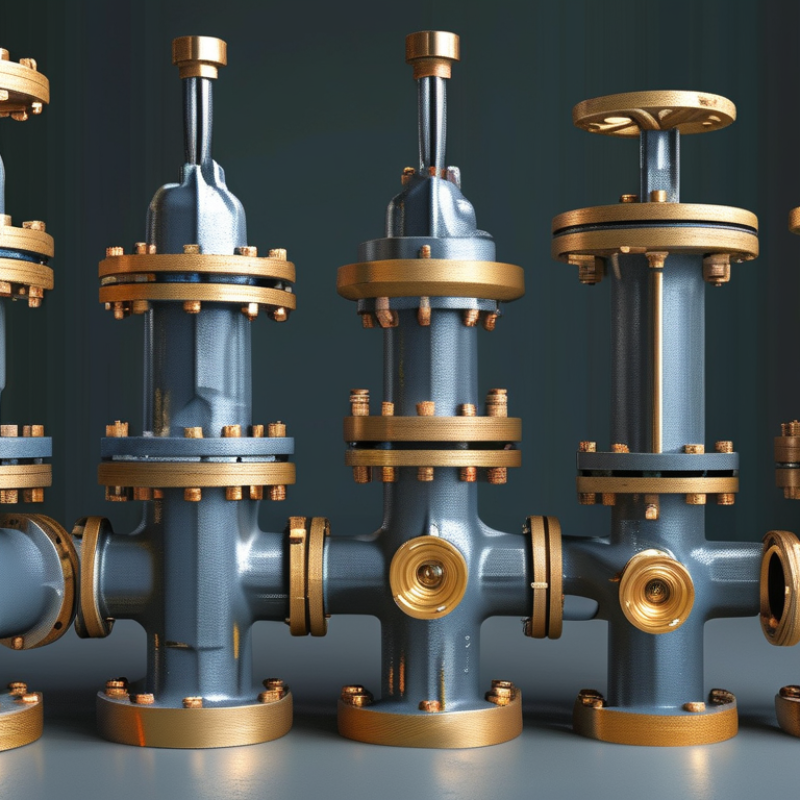
What Is a Mechanical Flange? An Overview of Its Functionality
Mechanical flanges play a crucial role in connecting pipes, valves, and equipment in various systems. They provide a leak-proof seal, ensuring the safe transport of fluids. A flange typically consists of a flat piece with holes for bolts. This design allows for easy assembly and disassembly. Different materials are available, including steel and plastic. Each material has unique properties affecting performance.
Choosing the right flange requires understanding its purpose. Factors such as pressure ratings and temperature conditions need careful consideration. Miscalculating these can lead to system failures. It is essential to consult with experts or refer to engineering guidelines to make informed choices.
Even experienced professionals can overlook crucial details. For instance, neglecting to check the compatibility of materials can lead to corrosion. Regular inspections and maintenance are vital for longevity. The right approach involves continuous learning and adapting to best practices.
Key Types of Mechanical Flanges Used in Various Industries
Mechanical flanges are essential connectors in various industries. They help join pipes, valves, pumps, and other equipment. Different types of flanges suit different applications. Their selection significantly impacts system integrity and performance.
In the oil and gas sector, certain flanges withstand extreme pressures and temperatures. For example, blind and slip-on flanges are often used. According to the Global Flange Market report, the oil and gas industry accounts for over 30% of flange consumption. Engineers must consider the material and design to ensure safety and efficiency.
Chemical processing often employs weld neck and threaded flanges. These types provide strong connections, minimizing leaks. A study indicates that corrosion resistance is crucial. Flanges made from stainless steel are recommended in corrosive environments. Choosing the right flange type requires careful analysis. Not all flanges will suit every need. Each situation demands specific expertise.
Materials Commonly Used for Mechanical Flanges and Their Properties
Mechanical flanges are essential components in various industries, serving as reliable connectors in piping systems. The materials used for flanges play a crucial role in their performance and longevity. Common materials include carbon steel, stainless steel, and alloy steel, each with unique properties.
Carbon steel flanges are known for their strength and durability. They are often used in low-pressure applications. According to industry reports, carbon steel flanges can handle temperatures up to 450°F. However, they may experience corrosion, requiring protective coatings in some environments.
Stainless steel flanges resist corrosion and oxidation. They are ideal for harsh environments, such as chemical processing. The World Steel Association notes that stainless steel maintains its mechanical properties at high temperatures, making it reliable for various applications. However, they can be more expensive than other materials.
Alloy steel flanges combine strength with resistance to wear and impact. They are often used in high-stress situations. Despite their excellent mechanical properties, they may require specific fabrication processes, which can complicate production. Choosing the right material depends on the specific application requirements and potential challenges.
Criteria for Selecting the Right Mechanical Flange for Your Application
Choosing the right mechanical flange involves several critical factors. First, understand the pressure requirements of your system. The flange must withstand the pressure of the fluid or gas it will contain. Different applications require different pressure ratings. Next, consider the material of the flange. Options include steel, stainless steel, and plastic. Selecting the correct material ensures long-lasting performance and compatibility with the medium.
Additionally, pay attention to the size and type of flange. Dimensions must match the piping system to prevent leaks. Flange types vary, such as weld neck, slip-on, and blind, each serving distinct purposes. For instance, a blind flange is ideal for capping off a pipeline, while a Weld Neck Flange is better for high-pressure applications.
Installation and maintenance should not be overlooked. Flanges require gaskets and bolts for assembly. Proper installation prevents failures. Regular inspections can help identify wear or corrosion early on. This vigilance can save costs in the long run. Making an informed choice involves balancing these factors to ensure efficiency and safety in your application.
Industry Standards and Certifications For Mechanical Flanges Explained
When selecting mechanical flanges, industry standards play a critical role. Standards like ASME B16.5 and ISO 7005 provide guidelines on dimensions and materials. These standards ensure interoperability among flanges across different manufacturers. According to a 2021 market analysis, adherence to these standards can improve a system’s safety and reliability by up to 30%. Engineers must consider these standards to avoid critical failures.
Certifications add another layer of assurance. Flanges with certifications such as ASTM or API often indicate higher quality and performance. A recent report by the American Society of Mechanical Engineers stated that certified flanges experience fewer service failures. This statistic highlights the importance of selecting certified components for high-pressure applications. However, not every project requires certified flanges. This reflection can lead engineers to reassess their approach and prioritize cost-efficiency without compromising safety.
What is a Mechanical Flange and How to Choose One?
| Dimension | Material | Pressure Rating | Standard | Certification |
| 1/2 inch | Carbon Steel | 150 PSI | ASME B16.5 | ISO 9001 |
| 1 inch | Stainless Steel | 300 PSI | ASME B16.5 | PED |
| 2 inch | Alloy Steel | 600 PSI | API 606 | ISO/TS 16949 |
| 4 inch | Ductile Iron | 150 PSI | ANSI B16.1 | API 6A |
| 6 inch | PVC | 75 PSI | ASTM D1784 | NSF/ANSI 61 |





