What is an MCCB Circuit Breaker and How Does It Work?
In the world of electrical safety, understanding the functionality of an MCCB circuit breaker is crucial. John Smith, a leading expert in electrical engineering, notes, “MCCB circuit breakers are vital in protecting electrical systems from overloads and short circuits.” This statement emphasizes the importance of this device in safeguarding equipment and lives.
The MCCB circuit breaker operates effectively under varied conditions. It detects faults and interrupts the current flow quickly. This technology prevents potential damage from electrical failures. However, not all users fully grasp its operation and importance. Many overlook the need for regular maintenance, which is essential for optimal performance.
Electrical safety is non-negotiable. Professionals and homeowners alike should prioritize understanding MCCB circuit breakers. One unaddressed issue is the lack of knowledge about how to choose the right type for specific applications. The right selection can greatly enhance safety and reliability. Is your current MCCB circuit breaker up to the task? This question is worth pondering for anyone responsible for electrical systems.
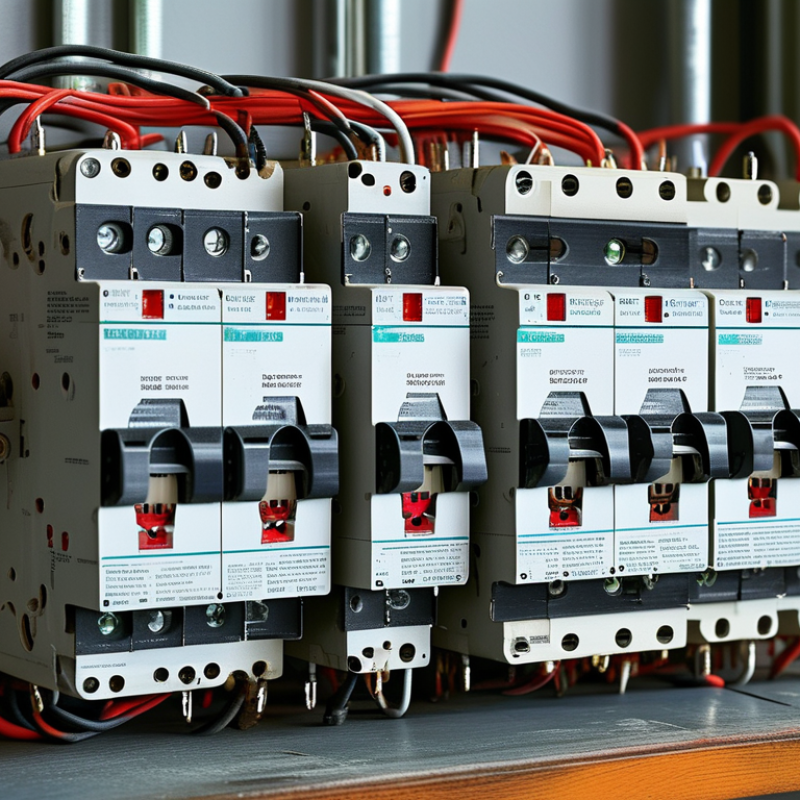
What is an MCCB (Molded Case Circuit Breaker)?
Molded Case Circuit Breakers (MCCBs) are crucial components in electrical systems. They protect circuits from overloads and short circuits. MCCBs can interrupt high fault currents effectively. They are ideal for a variety of applications, from industrial to commercial spaces. According to a report by Market Research Future, the global MCCB market is projected to grow at a CAGR of 5.6% from 2022 to 2027. This growth highlights their increasing importance in modern electrical systems.
One key feature of MCCBs is their adjustable trip settings. Users can customize the trip points based on specific load requirements. This flexibility ensures optimal protection. However, selecting the wrong settings can lead to nuisance tripping. Inadequate understanding of load characteristics can result in frequent interruptions. Experts emphasize that regular maintenance and proper calibration of MCCBs are essential to avoid operational issues.
MCCBs are designed for high performance in various conditions. They offer reliable protection in harsh environments. However, it's important to remember that even the best systems can fail without proper care. Regular testing and inspections are necessary to maintain their reliability. Many accidents stem from improper installation or overlooked maintenance. By staying vigilant, users can ensure these breakers provide the protection they were designed for.
Key Components of an MCCB and Their Functions
MCCB, or Molded Case Circuit Breaker, is crucial in modern electrical systems. Understanding its key components enhances safety and reliability. The main parts include the operating mechanism, contacts, and thermal-magnetic trip unit.
The operating mechanism of an MCCB is vital. It ensures the circuit breaker can open and close circuits effectively. This mechanism allows for quick disconnection during overloads. Contacts are also essential. They facilitate current flow under normal conditions. However, they wear out over time. Regular inspections can help detect deterioration.
The thermal-magnetic trip unit plays a crucial role in safeguarding circuits. It combines thermal and magnetic protection. The thermal portion reacts to overloads, while the magnetic component responds to short circuits. This dual action minimizes damage to electrical devices. Although effective, it can sometimes fail under extreme conditions. Awareness of such limitations is key to proper usage.
How MCCB Circuit Breakers Operate Under Fault Conditions
MCCB circuit breakers play a crucial role in electrical systems, especially under fault conditions. These devices detect abnormal currents that may indicate short circuits or overloads. When such a fault occurs, the MCCB responds by automatically disconnecting the circuit. This immediate action protects both the equipment and users from potential damage or hazards.
An MCCB operates on two main principles: thermal and magnetic protection. The thermal element reacts to current over time, while the magnetic element reacts almost instantaneously to sudden spikes. This combination allows for dynamic responses based on the nature of the fault. During a fault condition, the thermal mechanism heats up, expanding a bimetallic strip until it bends and trips the circuit. In contrast, severe faults trigger the magnetic trip instantly, ensuring swift disconnection.
Despite their reliability, MCCBs require regular maintenance and testing. Faulty calibration or wear can lead to failures when protection is most needed. In some cases, circuit breakers may trip unnecessarily due to transient surges. Identifying such anomalies helps improve system safety. Understanding how these devices function is essential for operators and engineers alike. Proper training and knowledge can significantly enhance the efficiency of electrical systems.
MCCB Ratings: Understanding Current and Voltage Specifications
MCCB, or Molded Case Circuit Breaker, is crucial for protecting electrical circuits. Understanding MCCB ratings, particularly current and voltage specifications, is vital for ensuring efficient operation and safety. An MCCB typically has a current rating ranging from 16A to 2500A. These ratings define the maximum continuous current that the device can handle without tripping.
Voltage ratings also play a key role. Standard MCCBs are designed for voltages up to 1000V AC. Selecting the correct voltage rating is critical to prevent device failure. Studies show that improperly rated MCCBs can lead to increased operational risks. In fact, reports indicate that poorly calibrated breakers are a common cause of electrical installations failing safety standards.
When selecting an MCCB, consider application-specific demands. For instance, industrial settings often require higher ratings due to increased load conditions. Misjudging these specifications can lead to inefficient system performance. Many engineers have faced challenges when system loads exceed expected limits, causing overheating. Emphasizing precise ratings can help mitigate these issues.
MCCB Ratings: Understanding Current and Voltage Specifications
This bar chart illustrates the various ratings of MCCB circuit breakers based on their current and voltage specifications. It highlights the common ratings used in industrial applications.
Applications and Benefits of MCCBs in Electrical Systems
MCCBs, or Molded Case Circuit Breakers, play a vital role in electrical systems. Their primary function is to protect circuits from overload and short circuits. These devices can handle a variety of applications, making them essential for both commercial and industrial settings. They’re often found in large buildings and factories, safeguarding costly equipment.
One notable benefit of MCCBs is their ability to provide reliable protection. They can quickly detect faults and interrupt the current flow. This rapid response minimizes damage and downtime. Additionally, they offer adjustable settings, allowing users to tailor the protection to specific needs. However, proper installation and maintenance are crucial. An improperly set MCCB might fail to protect adequately.
MCCBs also have diverse applications. They can be used in power distribution panels, as well as in motor control centers. Their compact design makes them suitable for space-constrained environments. Despite their advantages, users must be aware of potential limitations. Factors like environment and load variations can affect performance. Regular assessments are necessary to ensure optimal functionality.
What is an MCCB Circuit Breaker and How Does It Work? - Applications and Benefits of MCCBs in Electrical Systems
| Feature | Description |
| Type | Molded Case Circuit Breaker |
| Voltage Rating | Up to 1,200 Volts |
| Current Rating | 15A to 3,200A |
| Protection Type | Overload and Short Circuit Protection |
| Applications | Industrial, Commercial, Residential |
| Benefits | High Performance, Custom Features, Improved Safety |
| Mechanism | Thermomagnetic and Electronic Operation |
| Standards Compliance | IEC, UL, and others |





